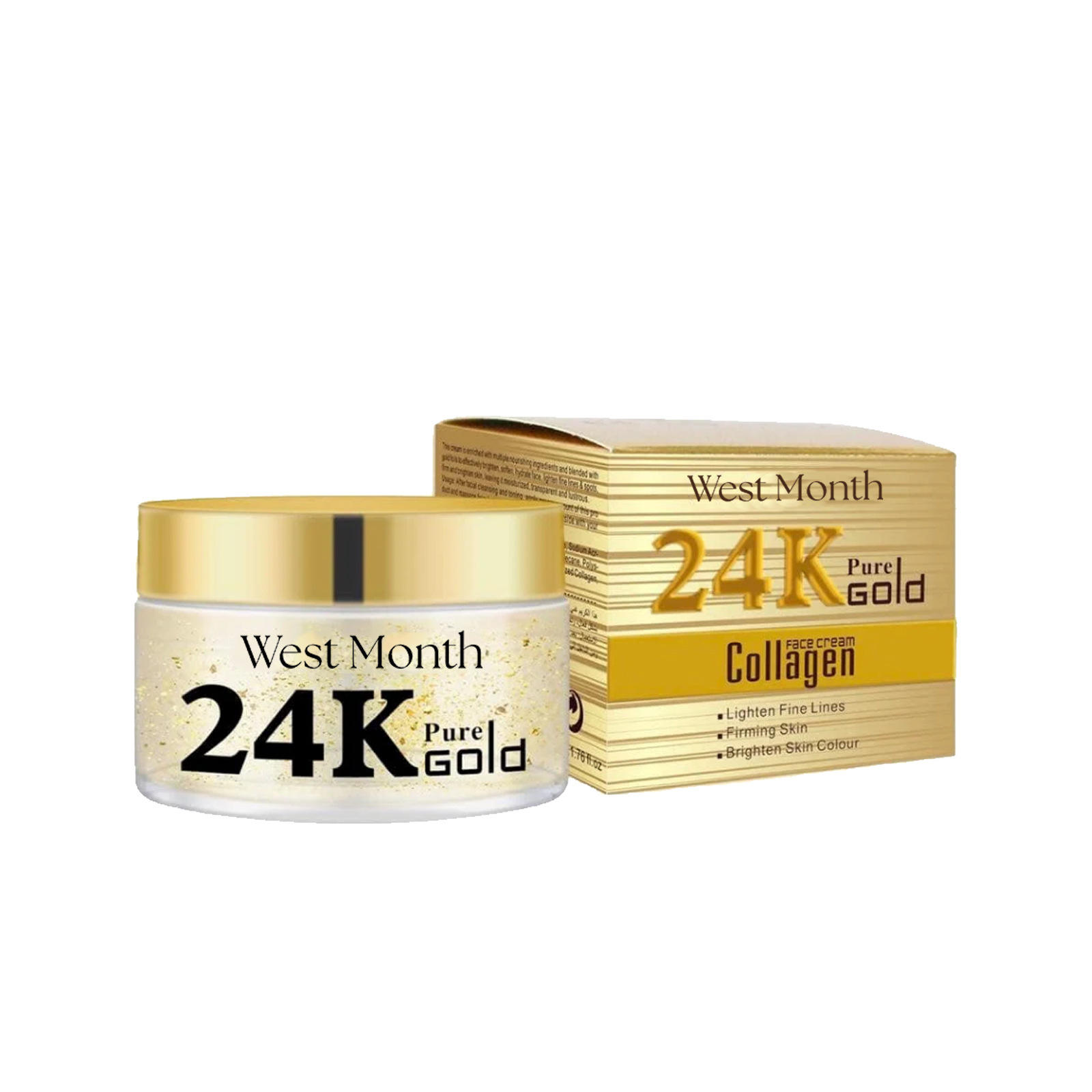
كريم الوجه بالكولاجين والذهب الخالص عيار 24
وفر 18%! اشترِ كريم الوجه بالكولاجين والذهب الخالص عيار 24 بسعر 176.26 د.ل فقط ف
🛒 تسوق الآن Libya Press
The Comprehensive Science Journal has released its Volume 11, Issue 41 for June 2026, marking another milestone in Libyan academic publishing. The new issue, available online via the journal's platform at the Higher Institute of Science and Technology, features original research across multiple disciplines including urban planning, philosophy, linguistics, and agricultural science.
Published under DOI 10.65405/srtzxg59, the issue represents the latest contribution to Libya's growing scholarly ecosystem, with papers from researchers at Libyan universities and institutions.
The lead article, "The Integrated Approach to Building City Capacities for Crisis Response and Preparing Independent Leaders" by Mohamed Abdulsalam Al-Hadi Al-Maqouz and Saeed Mohamed Saeed Qashat, addresses a critical gap in Libyan municipal governance. The study proposes a comprehensive framework for developing urban resilience, particularly relevant for Libyan cities facing infrastructure and governance challenges.
The research spans pages 17-35 and offers actionable models for training future city leaders, a topic of increasing importance as Libya pursues post-conflict reconstruction and decentralized governance.
Aisha Ahmed Abdulsalam Al-Mishri contributes a deep analysis of "Al-Farabi's Philosophy of Ethics" (pages 243-251), examining the moral framework of one of the Islamic Golden Age's most influential philosophers. The paper situates Al-Farabi's ethical thought within contemporary philosophical discourse, offering fresh perspectives on virtue ethics from an Islamic philosophical tradition.
This article joins a growing body of Libyan scholarship re-examining classical Islamic philosophy through modern analytical lenses.
Issue 41 showcases the breadth of Libyan academic inquiry with studies spanning multiple fields:
The Comprehensive Science Journal operates as an open-access publication, making Libyan research freely available to the global academic community. Published by the Higher Institute of Science and Technology, the journal follows international publishing standards including clear ethical guidelines, copyright policies, and peer review processes.
The journal provides Arabic and English author format guides, lowering barriers for Libyan researchers to publish their work in a recognized, indexed forum. Each issue receives a registered DOI, ensuring permanent citation tracking and academic credit.
Volume 11, Issue 41 arrives at a pivotal time for Libyan higher education. Despite years of institutional disruption, Libyan researchers continue producing peer-reviewed work that addresses local challenges while contributing to global knowledge. The diversity of topics in this single issue — from urban crisis management to classical philosophy — reflects the vitality of Libya's academic community.
The journal's commitment to bilingual publishing (Arabic and English format guides, Arabic-language articles with English metadata) positions it as a bridge between Libyan scholarship and the international research community, a model that other Libyan academic publications are increasingly adopting.
— Libya Press / Education Desk