
عطر المسك
وفر 25%! اشترِ عطر المسك بسعر 218.5 د.ل فقط في ليبيا. متوفر حالياً، الدفع عند ال
🛒 تسوق الآن Libya Press
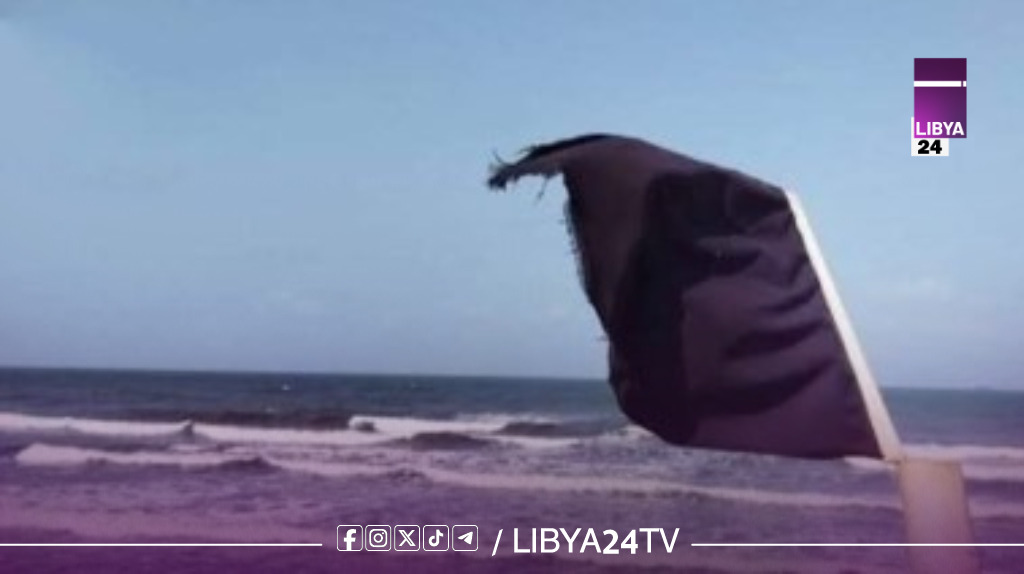
The Libyan Maritime Rescue Coordination Centre (MRCC) and the Emergency Medicine and Support Center have issued urgent, high-priority warnings to all citizens and foreign residents to refrain from swimming across the entire Libyan coastline. This critical alert comes as a direct result of significant sea disturbances and increasingly rough weather conditions affecting the Mediterranean coast from the far east to the far west of the country.
These warnings are not merely precautionary but are based on real-time meteorological data showing a sharp increase in sea volatility. As the summer season brings more people to the shores, the risk of tragic accidents increases, making these official directives a matter of life and death for thousands of beachgoers.
Current meteorological data indicates a dangerous increase in wave heights and the formation of powerful surface currents, often referred to as "rip currents," which can pull even experienced swimmers away from the shore in seconds. These conditions significantly elevate the risk of drowning and the occurrence of missing persons reports at sea, which often strain local rescue resources.
Authorities emphasize that these conditions are particularly lethal for inexperienced swimmers, children, and those attempting to visit remote, unmonitored beaches where one may be far from immediate help. The unpredictable nature of the current Mediterranean weather patterns makes the entire shoreline hazardous, as a sudden swell can sweep a person off their feet even while standing in shallow water.
The warning is comprehensive; it covers the entire span of the coast. This means that no specific region, whether in the east, west, or central coast, is currently deemed safe for recreational swimming, diving, or small-boat outings. The synergy of high wind speeds and undulating sea levels creates a volatile environment that demands absolute caution.
The Maritime Rescue Unit has specifically called for extreme caution, urging the general public to strictly adhere to these safety guidelines until a formal "all-clear" notice is issued. The Emergency Medicine and Support Center echoed these warnings, stressing that preventative avoidance is the only guaranteed way to ensure public safety during these maritime disturbances.
To ensure a zero-casualty outcome, the following mandatory precautions are advised:
Local authorities, in coordination with international weather monitoring stations, are continuing to track the sea state with precision. The volatility of the Mediterranean can shift quickly, and rescue teams are on high alert to manage any potential crises that may arise from non-compliance with these warnings.
Residents and visitors are strongly encouraged to follow official government social media pages and verified news sources for the latest updates. Checking for the "all-clear" signal before returning to beach activities is essential to avoid the dangers of residual currents and unstable wave patterns.
Maintaining a high level of collective awareness regarding these alerts helps significantly reduce the burden on emergency services and prevents avoidable tragedies during the peak of the Libyan summer season. Public cooperation is the most effective tool in saving lives during these weather events.
— Libya Press / News Desk