
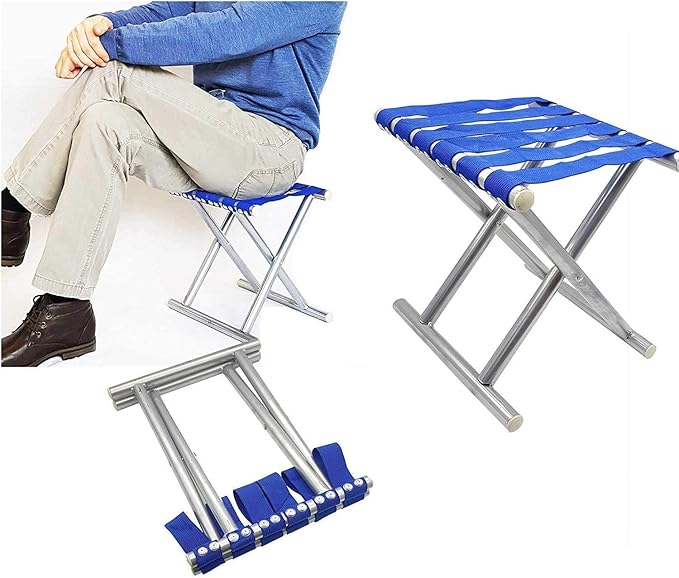
كرسي تخييم قابل للطي يسمح بمرور الهواء
وفر 6%! اشترِ كرسي تخييم قابل للطي يسمح بمرور الهواء بسعر 189.6 د.ل فقط في ليبيا
🛒 تسوق الآن Libya Press
The race to deliver fiber-grade internet without the fiber is accelerating. Fixed Wireless Access (FWA) over 5G networks is now the fastest-growing broadband technology worldwide, with new data showing a 40% year-on-year increase in global deployments. For countries like Libya, where fiber infrastructure remains limited, this wireless acceleration could bridge the digital divide faster than anyone predicted.
Three forces are converging to push 5G FWA into the mainstream. First, 5G networks now deliver speeds comparable to fiber optic connections — Ericsson's latest research confirms that 5G FWA is the first wireless technology capable of low latency and high speeds that match traditional fiber. Second, deployment costs are 60% lower than laying physical cables across difficult terrain. Third, operators can activate new customers in days rather than months.
ZTE, one of the world's largest telecommunications equipment manufacturers, has positioned its wireless access solutions around what it calls "minimalist coverage of the whole scene" — meaning a single 5G base station can serve entire neighborhoods without the trenching, permits, and construction that fiber demands.
Ericsson's research division has been tracking the evolution of broadband access technologies through multiple wireless networking paradigms. Their latest publication on network-managed 5G FWA highlights how intelligent orchestration — the ability of networks to automatically allocate bandwidth based on demand — is making wireless broadband reliable enough for enterprise and residential use simultaneously.
"5G FWA is no longer a compromise. It is a genuine alternative to fiber that can be deployed at a fraction of the cost and time," noted Ericsson's broadband access research team in their latest technical assessment.
Libya's telecommunications infrastructure has faced years of underinvestment and physical damage. Fiber optic rollout has been slow, particularly in rural and southern regions. 5G FWA offers a practical shortcut: operators can deliver high-speed internet to homes and businesses using existing cell towers, bypassing the need for expensive underground cable networks.
With Libya's young, tech-savvy population increasingly demanding reliable internet for remote work, education, and entrepreneurship, the acceleration of 5G FWA technology could be transformative. Libyan telecom operators monitoring these global trends may find that wireless broadband is the fastest path to connecting the unconnected.
The trajectory is clear: 5G FWA will continue to accelerate as more operators launch commercial services and device costs fall. For North African markets, including Libya, the window of opportunity is now. Operators who invest in FWA infrastructure today will capture the millions of households still waiting for reliable high-speed internet.
The question is no longer whether wireless can replace fiber — it is how quickly Libya's telecom sector can make the leap.
— LibyaPress / Tech Desk
===END_ENGLISH===