
زيت نمو الشعر وتقليل تساقط الشعر
وفر 19%! اشترِ زيت نمو الشعر وتقليل تساقط الشعر بسعر 124.61 د.ل فقط في ليبيا. مت
🛒 تسوق الآن Libya Press
The African Parliament opened its 5th Ordinary Session of the 6th Parliamentary Term on Monday in Johannesburg, South Africa, with a Libyan delegation in attendance as the continental body takes up a packed agenda covering elections, citizenship rights, and international cooperation. The session, running from July 17 to 31, marks a critical moment for African parliamentary diplomacy.
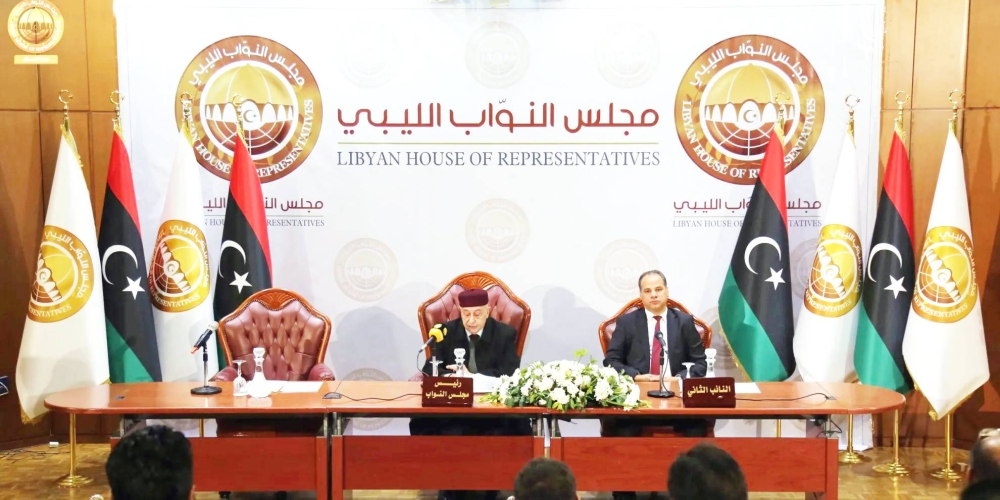
Libya is represented at the session by members of the House of Representatives including Youssef Al-Fakhri — who serves on the African Parliament's Presidency Bureau — alongside lawmakers Saleh Qalma, Salem Qannan, and Abdulqader Yahya. Their participation underscores Libya's ongoing engagement with continental institutions despite the country's internal political challenges.
The inaugural sitting began with an address by African Parliament President Fortune Charumbira, followed by the swearing-in of new members. South Africa's Deputy Minister of International Relations and Cooperation, Thandi Moraka, delivered a welcome speech on behalf of the host nation. According to Abdullah Bliheg, spokesperson of the Libyan House of Representatives, the session featured multiple solidarity addresses affirming the African Parliament's standing with the peoples of the continent. Speakers emphasized unity in confronting political challenges, reducing poverty, and improving education and healthcare across Africa.
A key focus is the work of the Committee on Cooperation, International Relations and Conflict Resolution, which convened with Libyan MP Salem Qannan. The committee discussed a model law on citizenship and the right to nationality, alongside initiatives aimed at eliminating statelessness across Africa. Lawmakers reviewed outcomes of seminars and workshops organized around the proposed legislation, expressing strong interest in the legal developments that have shaped the text.
The committee recommended that the proposed law be presented at the next plenary session for debate and final adoption, after which it would be forwarded to the African Union and referred to member states for ratification. The legislation represents a significant step toward strengthening civil rights in Africa and supporting AU efforts to end statelessness — a condition affecting millions across the continent, depriving individuals of education, healthcare, employment, and political participation.
On the sidelines of plenary sessions, the North Africa Group, with the full participation of the Libyan delegation, discussed several agenda items — most notably a call to issue a solidarity appeal for the Palestinian cause. Participants unanimously stressed the need for a firm position against any leniency in dealing with the Palestinian issue, emphasizing the African Parliament's continued commitment to supporting the Palestinian people.
The session is also examining the African Parliament's strategic direction for the coming period, including enhanced cooperation with other parliamentary bodies. Discussions have covered strengthening ties between the African Parliament and the Arab Parliament, as well as other regional legislative assemblies. The AU's Agenda 2063 — the continent's long-term development blueprint — features prominently in discussions, with lawmakers reviewing how parliamentary oversight can accelerate progress toward continental integration, economic transformation, and good governance.
Libya's active participation comes at a time when the country is navigating its own political transition. The House of Representatives has maintained consistent engagement with continental bodies, positioning parliamentary diplomacy as a channel for advancing national interests within broader African frameworks. The delegation's presence also provides an opportunity to brief fellow parliamentarians on developments in Libya and advocate for continental support for stabilization and reconstruction.
As the session continues through July 31, observers expect further resolutions on electoral standards, human rights protections, and mechanisms for enhancing the African Parliament's legislative authority. The outcomes will feed into the broader AU decision-making process ahead of the next summit of heads of state and government.
— Libya Press / Politics Desk