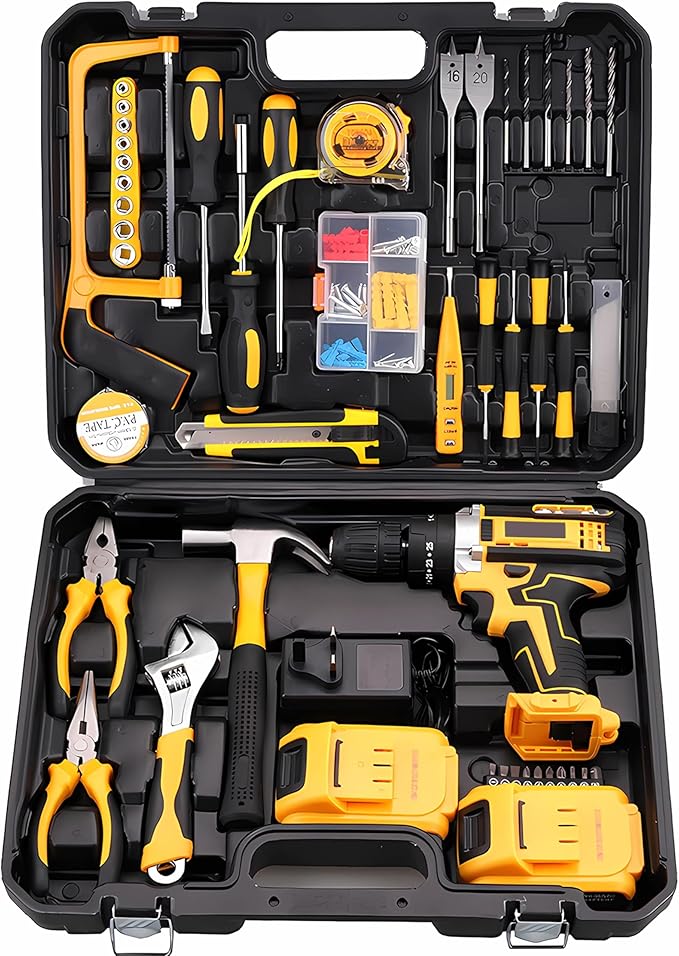
طقم أدوات كهربائية بقوة 48 فولت
وفر 7%! اشترِ طقم أدوات كهربائية بقوة 48 فولت بسعر 662.4 د.ل فقط في ليبيا. متوفر
🛒 تسوق الآن Libya Press
In the past 24 hours, eleven migrants have died while attempting to cross the Mediterranean from the Libyan coast near Tobruk, according to local rescue teams.
This latest tragedy underscores the continuing dangers faced by people seeking safety in Europe and highlights the urgent need for effective search‑and‑rescue operations in the region.
On March 26, 2026, a group of thirty‑two migrants was intercepted by Libyan authorities and returned to Tobruk, eastern Libya.
The incident adds to a larger pattern documented by the International Organization for Migration (IOM), which reports that approximately seven thousand Europe‑bound migrants have been intercepted and sent back to Libya so far this year.
These figures come amid growing concern from European search‑and‑rescue bodies, which have suspended operational contacts with the Libyan Coast Guard over allegations of misconduct at sea.
Human rights organizations have previously recorded incidents involving gunfire directed at migrant vessels and the abandonment of people in international waters.
“Approximately 7,000 Europe‑bound migrants were intercepted and returned to Libya so far this year,” said the IOM, emphasizing that the organization continues to monitor developments along the North African coastline.
The statement highlights the scale of the challenge and the need for coordinated international action to protect vulnerable people on the move.
For Libyan communities, the recurrent arrival and interception of migrant groups places additional pressure on local services, including health care and security infrastructure.
Furthermore, the perception of Libya as a transit point for irregular migration influences foreign relations and can affect the country’s access to international aid and investment.
Addressing the root causes of displacement and improving reception conditions are seen as essential steps toward reducing the risks faced by both migrants and host communities.
Authorities, regional partners, and humanitarian agencies must strengthen search‑and‑rescue capacities, expand legal pathways for migration, and invest in sustainable solutions that protect lives along Libya’s shores.
Only through concrete cooperation can the cycle of loss be broken and safer outcomes achieved for everyone involved.
— LibyaPress / Libya Desk