
زيت تقشير الوجه واليدين
وفر 32%! اشترِ زيت تقشير الوجه واليدين بسعر 162.24 د.ل فقط في ليبيا. متوفر حاليا
🛒 تسوق الآن Libya Press
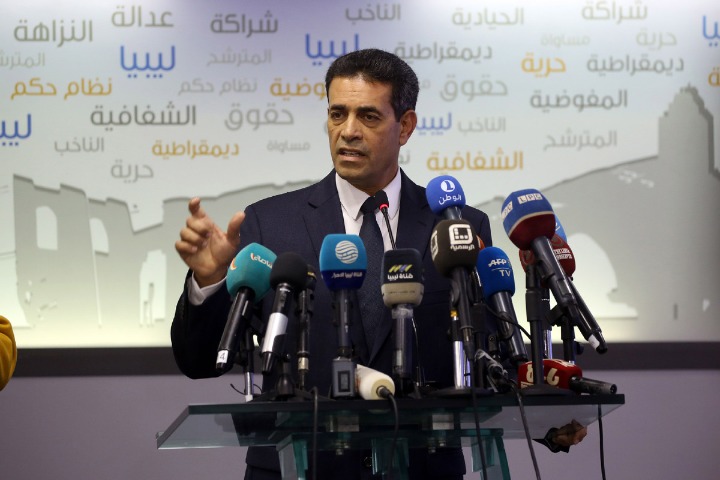
136 Libyan parliamentary candidates have firmly rejected the recent initiative put forward by Maasad Polls, issuing a joint statement demanding a constitutional referendum as the only legitimate path forward for the country's political transition. The candidates, representing a significant portion of Libya's parliamentary landscape, made their position clear in a statement released this week, signaling growing frustration with political maneuvers they view as attempts to recycle power through backroom deals rather than genuine democratic processes.
The joint statement emphasized that no transitional phase can grant permanent legitimacy to any political arrangement, stressing that the will of the Libyan people must remain the sole foundation for any constitutional or governmental framework. This development comes amid a broader political deadlock that has gripped Libya for years, with competing factions struggling to agree on a unified roadmap toward elections and constitutional governance.
Libya has been mired in political instability since the 2011 revolution, with multiple transitional governments and competing legislative bodies vying for authority. The country has yet to adopt a permanent constitution, leaving a legal vacuum that has fueled ongoing conflict and institutional fragmentation. The Constitutional Drafting Assembly completed its work years ago, but the draft constitution has never been put to a public referendum due to political disagreements and security challenges.
Maasad Polls' initiative, which proposed an alternative framework for political dialogue, was seen by critics as an attempt to bypass the constitutional process and impose a new political arrangement without popular consent. The Higher Council of State had previously expressed similar reservations about political settlements conducted outside the framework of the Libyan Political Agreement, reinforcing the demand for constitutional legitimacy as the cornerstone of any political settlement.
Political analysts following Libyan affairs note that the 136 candidates represent a cross-section of regional and ideological interests within Libya's fractured political landscape. Their unified stance reflects a growing consensus among elected representatives that the country's political future must be determined through constitutional means rather than elite bargains. The statement explicitly warned against the recycling of authority through deals that bypass popular will, a pointed reference to what critics describe as entrenched political elites perpetuating their influence through opaque negotiations.
The rejection of the Polls initiative by such a large group of parliamentary candidates carries significant weight for Libya's democratic trajectory. It underscores the demand among elected representatives for a constitutional referendum as the only legitimate mechanism to establish governance structures. This position aligns with widespread popular sentiment among Libyan citizens who have long demanded that their voices be heard through the ballot box rather than through political agreements negotiated behind closed doors.
The development also highlights the deep divisions within Libya's political class regarding the path forward, with some factions favoring elite-led dialogue processes and others insisting on direct democratic participation. The coming weeks will test whether this unified parliamentary front can translate its demands into concrete political pressure for a referendum timeline.
Observers expect the joint statement to intensify pressure on the United Nations Support Mission in Libya and international stakeholders to prioritize the constitutional track over alternative political frameworks. The 47 House of Representatives members supporting structured dialogue have called for inclusive negotiations that bring all parties to the table, suggesting that multiple approaches to breaking the deadlock are now competing for international endorsement.
For millions of Libyan citizens, the message from these 136 candidates offers a renewed sense of hope that the democratic process — anchored in a constitutional referendum — remains the ultimate destination. The international community now faces a critical choice: support the popular demand for constitutional legitimacy or continue backing transitional arrangements that lack democratic foundation.
— LibyaPress / Politics Desk