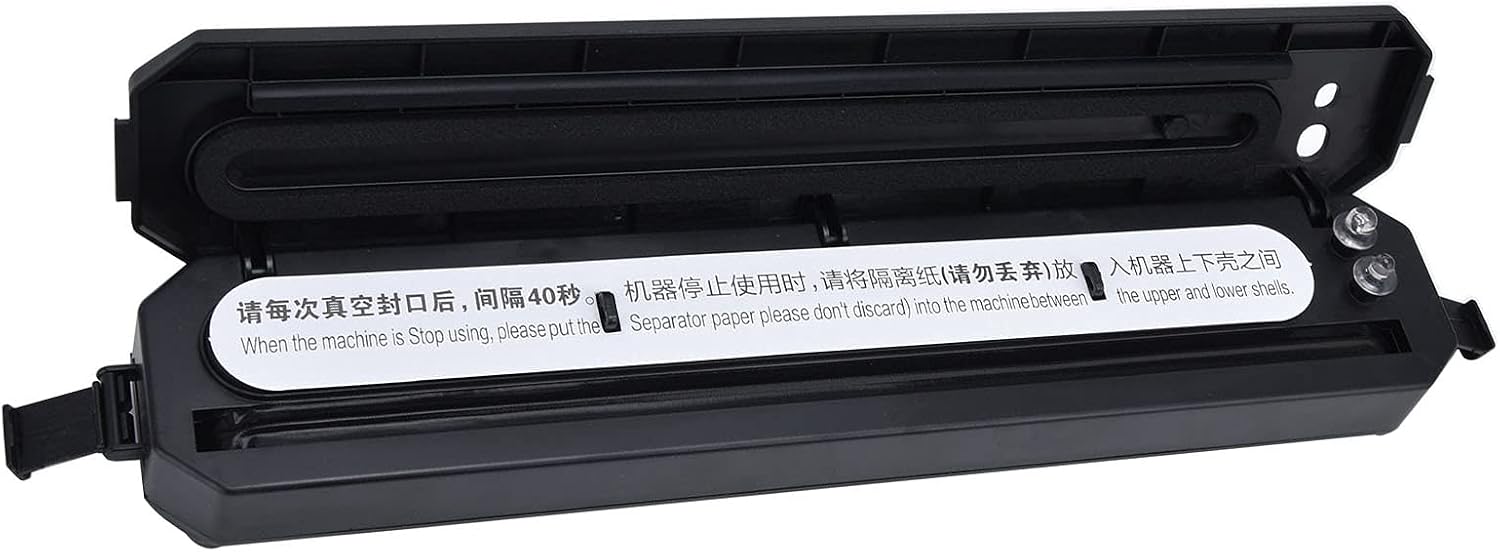
ماكينة التغليف بالتفريغ
وفر 4%! اشترِ ماكينة التغليف بالتفريغ بسعر 306.63 د.ل فقط في ليبيا. متوفر حالياً
🛒 تسوق الآن Libya Press
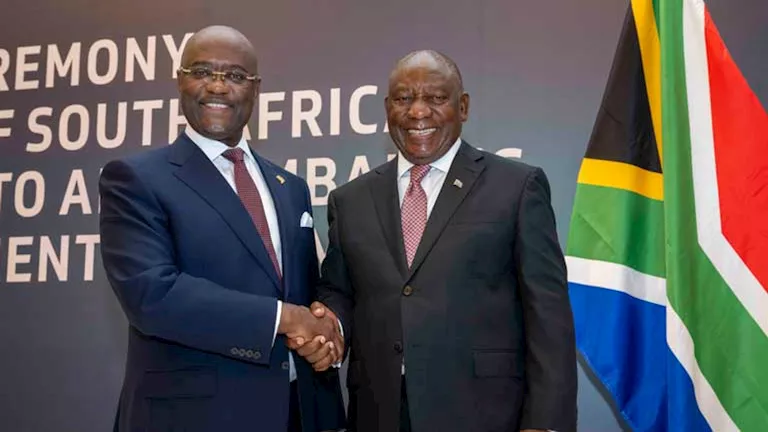
In a landmark move for continental economic integration, the Republic of South Africa and the African Export-Import Bank (Afreximbank) signed a $14 billion country program aimed at accelerating industrial development and trade. The memorandum of understanding was signed in El Alamein, Egypt, on June 20, 2026, marking one of the largest bilateral financing frameworks ever concluded between a single African nation and the continent's premier trade finance institution.
Afreximbank will deploy a comprehensive mix of financing and non-financing interventions under the program. The package is designed to support South Africa's industrial policy objectives, enhance export capacity, and deepen participation in the African Continental Free Trade Area. The funding will target critical infrastructure, manufacturing value chains, and trade facilitation mechanisms over a multi-year implementation horizon.
The agreement comes at a pivotal moment for Africa's economic architecture. The African Continental Free Trade Area is gaining momentum, yet intra-African trade still accounts for less than 18% of total continental commerce. Afreximbank, headquartered in Cairo, has been instrumental in bridging this gap, with cumulative disbursements exceeding $50 billion across the continent over the past decade. South Africa, as the continent's most industrialized economy, represents a strategic anchor for these efforts.
For Libya and the broader North African region, this program signals a deepening of institutional economic cooperation across the continent. As Libya continues its post-conflict reconstruction and seeks to diversify beyond hydrocarbon dependence, frameworks like this open pathways for Libyan businesses to access Afreximbank financing instruments. The program also reinforces Egypt's role as a hub for continental financial diplomacy, given the signing took place on Egyptian soil. North African economies stand to benefit from enhanced trade corridors and industrial partnerships that this scale of investment inevitably catalyzes.
The two parties are expected to establish a joint implementation committee within 90 days to operationalize the program's first phase. Priority sectors include automotive manufacturing, pharmaceuticals, agro-processing, and renewable energy — industries where South Africa holds competitive advantages and where Afreximbank has existing sector expertise. Disbursements are projected to begin in early 2027, with annual review mechanisms built into the framework to ensure accountability and adaptive management.
This agreement represents a bold step toward financing Africa's industrial future from within. For the continent's 1.4 billion citizens, it is a tangible signal that institutional capacity and capital are aligning to build self-sustaining economic ecosystems. The coming months will reveal how quickly these commitments translate into factory floors, shipping lanes, and jobs.
— LibyaPress / Economy Desk