
صندوق غداء حراري مع حقيبة محمولة
وفر 43%! اشترِ صندوق غداء حراري مع حقيبة محمولة بسعر 222.72 د.ل فقط في ليبيا. مت
🛒 تسوق الآن Libya Press
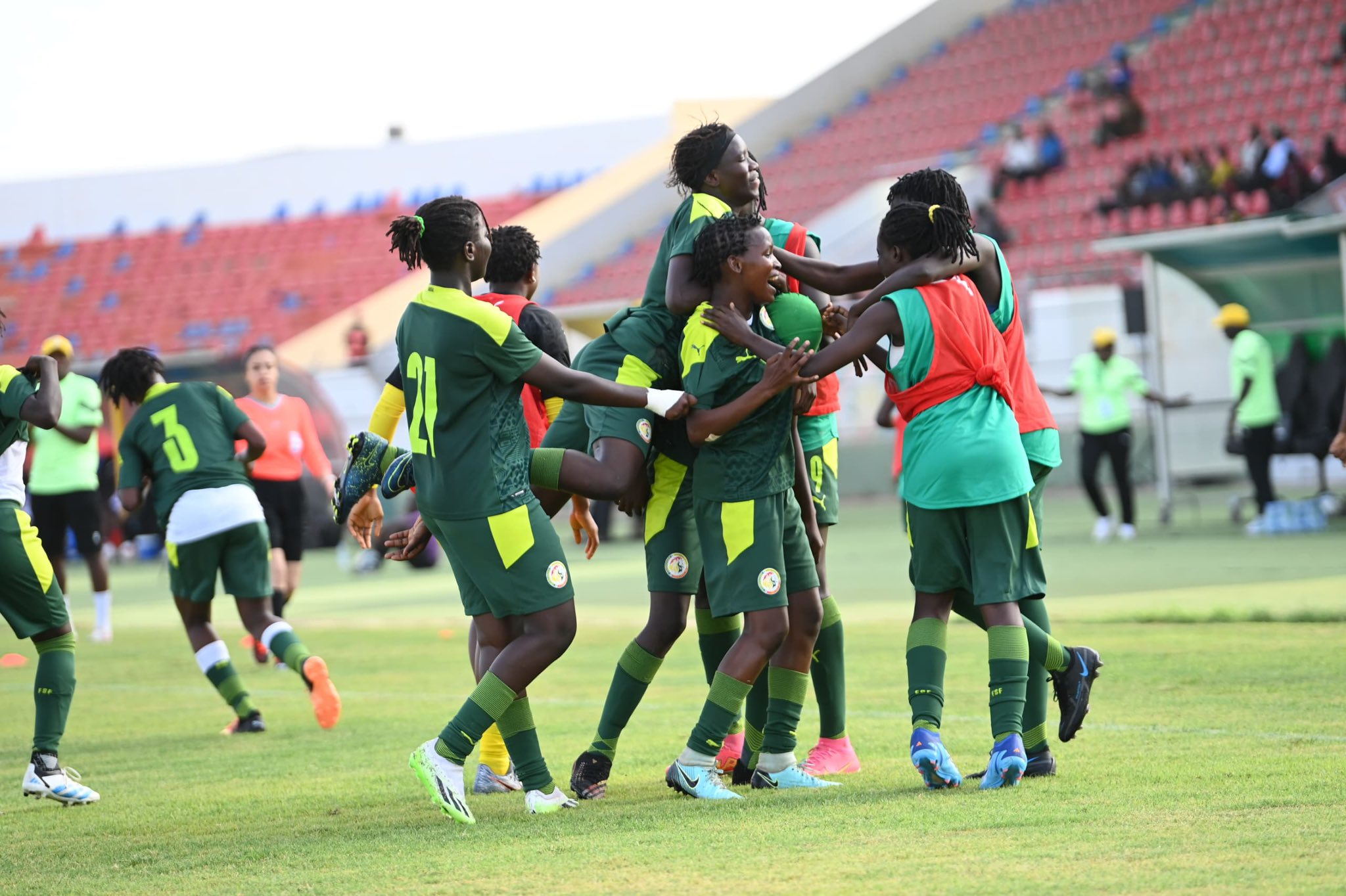
African football is making waves at World Cup 2026 in a way never seen before. With a record 10 teams from the African continent qualifying for the expanded 48-team tournament, the era of African participation as mere footnotes is definitively over. The continent is no longer just showing up — it is competing at the highest level.
The 2026 FIFA World Cup, hosted across the United States, Canada, and Mexico, marks a turning point for African football. Three teams had already secured their spots early in the qualification cycle, and more followed as the African qualifiers delivered dramatic results. The expansion from 32 to 48 teams opened the door, but African nations kicked it down with performances that commanded global attention.
The numbers tell a compelling story. Ten African teams at a single World Cup represents a significant increase from previous tournaments, where the continent typically sent five or six sides. This expansion reflects FIFA's broader commitment to global inclusion, but it also rewards decades of investment in African football infrastructure, youth development, and professional leagues.
According to DW News, the 2026 tournament may be remembered as the moment African football truly arrived as a competitive force rather than a participating one. Teams like Cape Verde have captured global imagination with their qualification campaigns, proving that smaller footballing nations can compete with established powers.
Cape Verde's qualification journey has been one of the most inspiring stories of the 2026 cycle. The small island nation off the west coast of Africa demonstrated that determination and strategic development can overcome limited resources. Their success has inspired other smaller African footballing nations to dream bigger and invest more seriously in their football programs.
Football analysts across major outlets including BBC and Reuters have noted that the quality of African football has risen dramatically over the past decade. Professional leagues in Morocco, Egypt, Senegal, and South Africa have produced players who compete in Europe's top divisions, creating a talent pipeline that feeds national teams with world-class capability.
For Libyan football fans, Africa's rising prominence at the World Cup carries special significance. Libya's own football ambitions have faced challenges due to years of instability, but the continental success story offers a roadmap. When African nations invest in youth academies, professional coaching, and infrastructure, results follow — even for countries with limited footballing traditions.
The Libyan national team has historically shown flashes of brilliance in African competitions. Watching 10 African teams compete on the world's biggest stage should serve as both inspiration and motivation for Libyan football authorities to rebuild and invest in the sport's future across the country.
The 2026 World Cup is not just a one-time milestone — it represents the beginning of a lasting shift in global football power dynamics. African teams are expected to advance beyond the group stages in unprecedented numbers, and several nations possess the talent and tactical sophistication to reach the knockout rounds.
As the tournament approaches, all eyes will be on Africa's representatives to see whether this expanded presence translates into deeper runs and historic victories. One thing is certain: African football is no longer waiting for permission to compete. It is making waves — and the world is taking notice.
— LibyaPress / Sports Desk
===END_ENGLISH===