
مدفأة زجاجات الأطفال المحمولة
وفر 17%! اشترِ مدفأة زجاجات الأطفال المحمولة بسعر 314.88 د.ل فقط في ليبيا. متوفر
🛒 تسوق الآن Libya Press
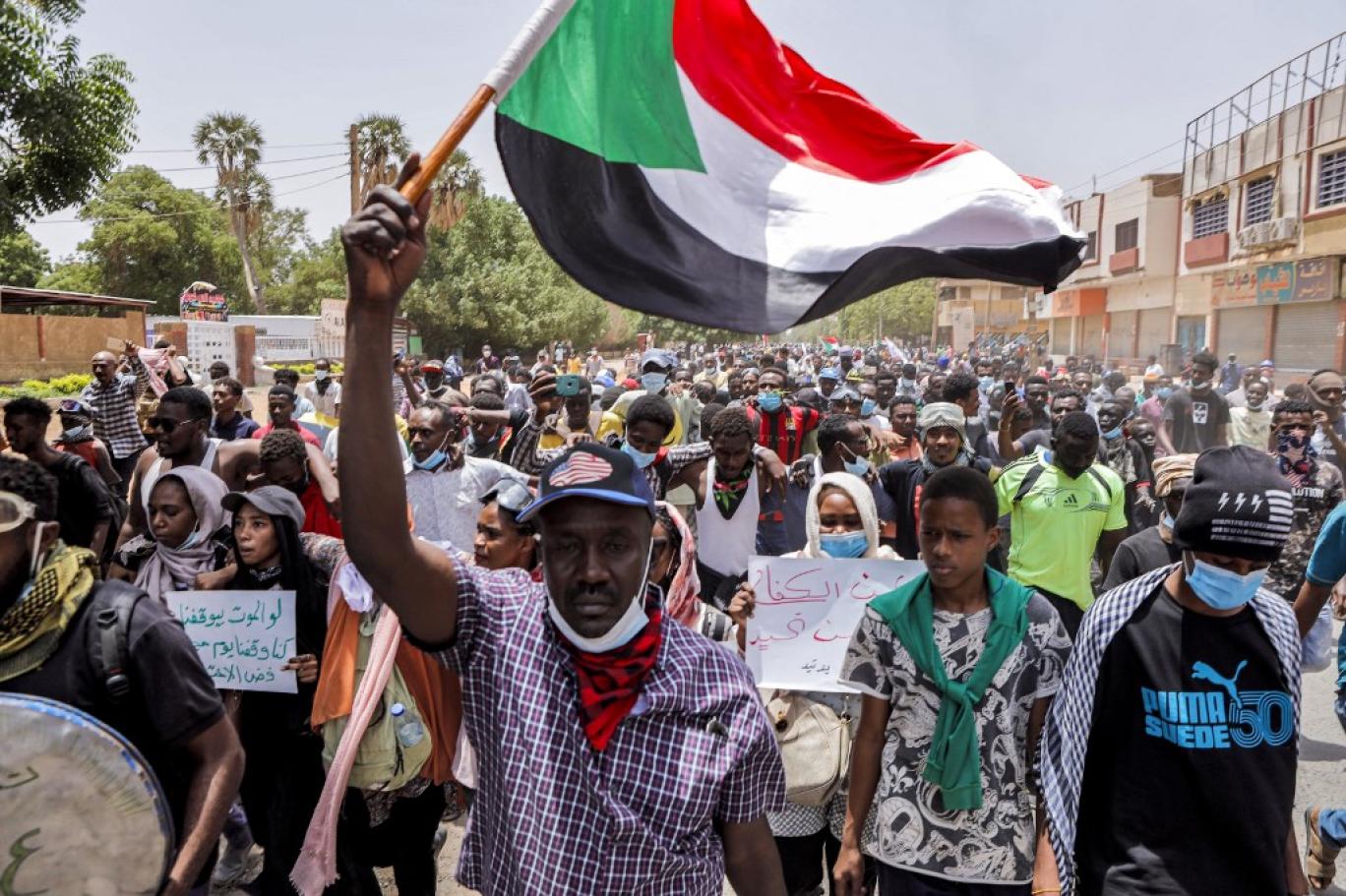
8 million people displaced, 25 million in need of aid, and a death toll that humanitarian organizations say far exceeds official figures — Sudan's war entered its most dangerous phase this week as the Sovereignty Council formally rejected a United States proposal to halt hostilities, according to statements confirmed by multiple international monitors on June 19, 2026.
The rejection, delivered through official channels in Port Sudan, triggered immediate concern from the United Nations, the African Union, and Western diplomatic sources. US Special Envoy for the Horn of Africa had presented the framework earlier this week, calling for a 72-hour ceasefire followed by structured negotiations in the Saudi city of Jeddah.
The Sovereignty Council issued a formal statement on June 19 rejecting the American proposal, citing what it described as "insufficient guarantees for the protection of civilian infrastructure and the absence of enforcement mechanisms." Government Official sources close to the deliberations told reporters that the Council viewed the framework as favoring paramilitary forces without adequate security arrangements for state institutions.
Sudan's official response came within hours of the American proposal being transmitted through diplomatic channels. The statement emphasized that any ceasefire must include the withdrawal of Rapid Support Forces from major cities, the restoration of essential services, and international monitoring mechanisms with binding authority.
UN Spokesperson Stéphane Dujarric addressed reporters in New York, stating: "The Secretary-General's Special Envoy continues to engage with all parties. We urge an immediate cessation of hostilities and unimpeded humanitarian access across all of Sudan's 18 states." The UN estimates that 9% of Sudan's total population has been displaced since the conflict intensified.
Fatima Ahmed, a 34-year-old mother of three displaced from Khartoum to a camp near Port Sudan, told Radio Dabanga: "We left everything behind. My children haven't been to school in months. The aid organizations do what they can, but there is never enough food, never enough water. We need this war to stop, not next month, not next week — now."
Her account reflects the reality facing millions of Sudanese civilians caught between the Sudanese Armed Forces and the Rapid Support Forces. The World Food Programme has warned that famine conditions are emerging in parts of Darfur and Kordofan, where access remains severely restricted.
For Libya and the broader North African region, the deepening crisis in Sudan carries direct security and economic implications. Sudan shares borders with Libya, Chad, Egypt, and Ethiopia — making it a critical node in regional stability. The flow of refugees across the Sahara routes has increased by an estimated 15% since the conflict escalated, placing additional pressure on Libya's already strained migration management infrastructure.
Libyan political observers note that prolonged instability in Sudan could disrupt trade routes through the Sahel, affect oil market dynamics, and create conditions exploited by armed groups operating across porous desert borders. The Libyan government has expressed concern about the potential for weapons proliferation and the movement of armed elements across shared frontier zones.
The African Union has called for an emergency summit to address the crisis, with the Peace and Security Council meeting on June 23 to discuss a continental response framework. Meanwhile, the United States has indicated it remains open to diplomatic engagement despite the Sovereignty Council's rejection of its initial proposal.
Analysts say the coming days will be critical. With the rainy season approaching in Darfur and Kordofan, humanitarian access will become even more challenging. The UN has appealed for 3.2 billion dollars in emergency funding, but only 22% of that target has been met so far this year.
For the millions of Sudanese waiting for peace, the path forward remains uncertain. What is clear is that the window for preventing a full-scale famine is narrowing rapidly, and the international community faces mounting pressure to find a framework that all parties can accept.
— LibyaPress / Politics Desk