
مرتبة هوائية للمقعد الخلفي v2
وفر 7%! اشترِ مرتبة هوائية للمقعد الخلفي v2 بسعر 405.12 د.ل فقط في ليبيا. متوفر
🛒 تسوق الآن Libya Press
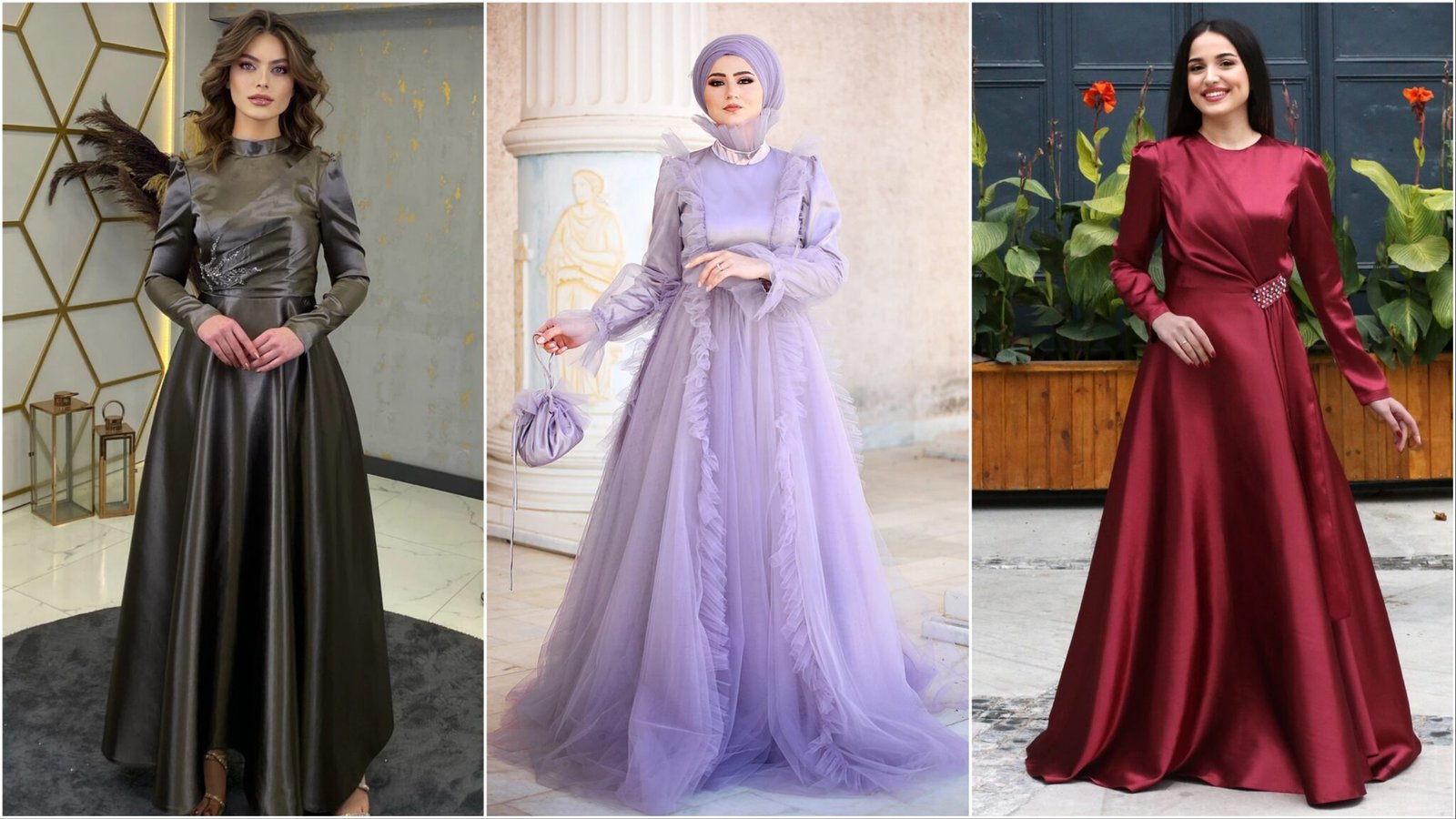
The modest fashion industry continues its remarkable growth trajectory, with 2026 collections showcasing an unprecedented fusion of traditional Muslim clothing aesthetics and modern luxury design. Leading manufacturers and fashion houses across the Middle East, North Africa, and Asia are unveiling collections that prioritize both modesty and sophistication, responding to a demographic that demands quality without compromise.
According to industry analysts, the global modest fashion market is projected to exceed $350 billion by 2026, with Muslim women representing the primary consumer base. This economic force has compelled major fashion retailers and specialized modest wear brands to invest heavily in research, development, and sustainable production methods.
Chinese manufacturing hubs, particularly those featured on platforms like Made-in-China.com, have emerged as key suppliers of high-quality modest dresses and abayas. These manufacturers combine advanced textile technology with traditional design sensibilities, producing garments that meet international quality standards while respecting cultural and religious requirements.
Fashion forecasters identify several dominant trends shaping the 2026 modest fashion landscape:
Designers report distinct regional preferences influencing 2026 collections. Gulf markets favor ornate embellishments and heavier fabrics suitable for air-conditioned environments, while North African consumers prefer lighter, breathable materials with subtle geometric patterns. Southeast Asian markets drive demand for batik-inspired prints and vibrant color palettes that reflect local aesthetic traditions.
Libyan fashion retailers note increasing demand for locally produced modest wear that incorporates traditional weaving techniques from regions like Ghadames and Fezzan. This localization trend supports domestic textile industries while preserving cultural heritage through contemporary fashion.
Consumer expectations for durability and finish quality have risen sharply across all price segments. Mid-range brands now offer French seams, lined bodices, and reinforced stress points — features previously reserved for luxury labels. This democratization of quality reflects increased consumer education and social media-driven transparency about manufacturing standards.
Independent testing by modest fashion influencers and consumer advocacy groups has pressured manufacturers to disclose fabric composition, country of origin, and labor practices. Brands that embrace transparency report stronger customer loyalty and higher repeat purchase rates.
E-commerce platforms specializing in modest wear have eliminated geographic barriers, allowing women in underserved markets to access global collections. Virtual fitting tools, detailed measurement guides, and augmented reality previews reduce return rates and increase purchase confidence.
Social commerce through Instagram and TikTok has become the primary discovery channel for 2026 collections, with micro-influencers driving more conversions than traditional advertising. User-generated content featuring real women in diverse body types has proven more effective than professional lookbooks for modest fashion purchases.
As 2026 progresses, the modest fashion sector faces both opportunities and challenges. Supply chain resilience, climate-adaptive fabrics, and inclusive sizing remain priority areas for innovation. Brands that successfully balance tradition with technology, and heritage with sustainability, will capture the loyalty of a discerning global consumer base.
The convergence of cultural pride, economic empowerment, and digital connectivity positions modest fashion as a defining force in the global apparel industry — not as a niche market, but as a mainstream movement reshaping fashion norms worldwide.
— Libya Press / Women's Desk