
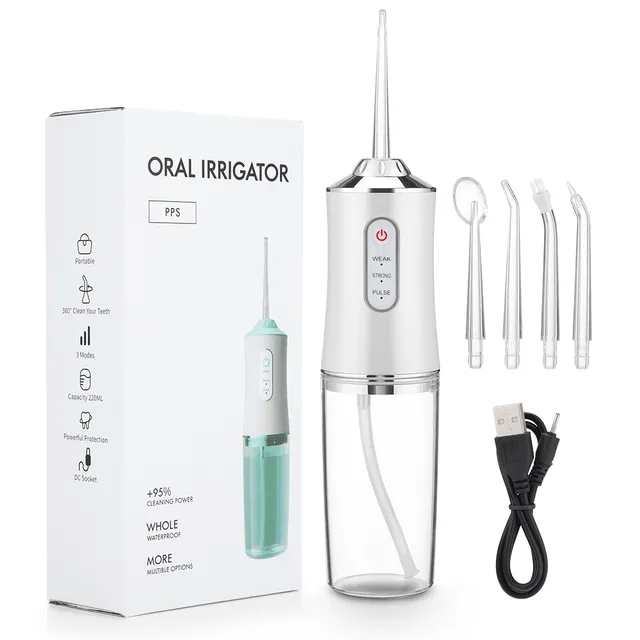
جهاز تنظيف الأسنان بالماء
وفر 23%! اشترِ جهاز تنظيف الأسنان بالماء بسعر 248 د.ل فقط في ليبيا. متوفر حالياً
🛒 تسوق الآن Libya Press
Egypt's National Food Safety Authority reported a robust week of operations from May 16 to May 22, 2026, with food exports reaching 280,000 tons across 5,440 export consignments. The figures, published in the authority's 19th weekly report of the year, reflect sustained momentum in the country's food export sector despite global supply chain pressures. The volume represents one of the highest weekly tallies recorded so far this year.
The report underscores Egypt's growing role as a regional food hub, with exports flowing to markets across North Africa, the Middle East, Europe, and beyond. Each consignment must pass rigorous safety checks before receiving clearance for international shipment.
The data was compiled by the authority's media center, tracking compliance with international food safety standards required by importing countries. The 760 different food categories exported ranged from fresh fruits and vegetables to processed goods destined for supermarket shelves abroad.
Inspectors conducted field visits to food production facilities and wholesale markets nationwide. Teams checked storage conditions, labeling compliance, and hygiene protocols at multiple consumer complexes. The authority confirmed that no major violations were recorded during the week, reflecting improved compliance among exporters who have adapted to stricter regulations introduced over the past two years.
Authority inspection teams conducted comprehensive checks at consumer complexes across governorates, verifying that cold storage facilities maintained proper temperature controls and hygiene standards. The authority confirmed that unannounced inspections remain a core part of its monitoring strategy, with teams empowered to halt non-compliant shipments.
Officials emphasized that the inspection regime covers the entire supply chain, from farm-level processing to port loading docks. "The authority continues its efforts to ensure that all food products destined for export meet the highest safety and quality requirements," the report stated, noting that cooperation with international regulatory bodies has helped Egyptian producers align with global best practices.
Egypt is one of the largest food exporters to Libya, supplying a significant share of the Libyan market's fruits, vegetables, and processed goods. The scale of Egypt's food safety monitoring directly affects the quality of products reaching Libyan consumers. Stronger export controls mean safer products crossing the border and arriving on Libyan shelves with full regulatory traceability.
For Libyan importers and traders who source from Egyptian suppliers, the weekly compliance data provides valuable reassurance about product reliability and supply chain integrity. It also highlights which food categories are moving in the highest volumes, useful intelligence for businesses planning procurement and inventory management ahead of peak demand periods.
The National Food Safety Authority plans to continue publishing weekly reports throughout 2026, maintaining transparency around export volumes and compliance rates. With global food trade expanding and international standards tightening, Egypt's systematic approach to food safety oversight positions its exporters competitively in North African and Middle Eastern markets.
The authority is also investing in digital systems to accelerate inspection processes and reduce clearance times, moves that could further boost weekly export capacity. For the region's consumers, including millions of Libyans who rely on Egyptian produce, these developments translate into greater confidence in the food supply chain and more consistent access to quality products at competitive prices.