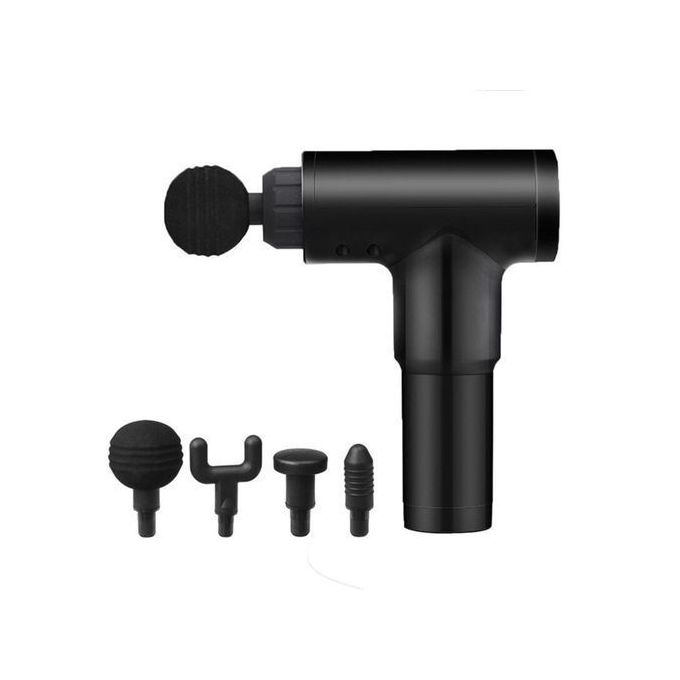
جهاز التدليك
وفر 26%! اشترِ جهاز التدليك بسعر 290 د.ل فقط في ليبيا. متوفر حالياً، الدفع عند ا
🛒 تسوق الآن Libya Press
The US dollar continued its relentless climb against the Libyan dinar in bank suouk (certificate) transactions closing on Sunday May 31 2026, with rates in Tripoli reaching approximately 0.644 dinar per dollar and Benghazi not far behind. The sustained upward pressure marks one of the steepest depreciation stretches for the dinar this year, raising alarm among importers and households already struggling with rising costs.
The latest session saw the dollar gain roughly 10 dirhams in Tripoli compared to the previous close, while Benghazi recorded a similar or slightly higher increase according to parallel market tracking. Over the past three months the greenback has added more than 25 dirhams across Libya's fragmented banking system.
Market data compiled from Libya's three main trading hubs paints a consistent picture of deterioration:
Economists say Libya's dual-banking system — split between the Central Bank of Libya in Tripoli and the parallel administration in the east — is the primary engine driving the dinar's instability. "When you have two monetary authorities issuing separate directives and each region has access to different hard-currency inflows, you get exactly this kind of divergence," said a Tripoli-based financial analyst who tracks suouk movements daily.
The suouk certificate system itself was designed to ease hard-currency scarcity but instead created a secondary market where rates are set by supply and demand rather than official pegs. Banks allot certificates to importers at agreed rates, but the informal market quickly adjusts.
For ordinary Libyans the dollar surge translates directly into higher prices for imported food, fuel and medicine — essentials that make up the bulk of household spending. "Every time the dollar climbs 10 dirhams my grocery bill increases by at least 20 dinars per week," said a resident of Tripoli who asked to be identified only by his first name Ahmed. "We are running out of ways to stretch our salaries."
The import-dependent economy leaves citizens with almost no hedge against currency depreciation, unlike countries with diversified local production.
The steady erosion of the dinar directly undermines the purchasing power of Libya's 7 million people. With over 80 percent of consumer goods imported, every dirham the currency loses shows up on store shelves within days. Public sector employees — who make up the majority of the formal workforce — are especially vulnerable as wages have not been adjusted to match inflation.
The widening gap between eastern and western exchange rates also threatens to deepen the economic divide between Libya's two administrations, making unification of the Central Bank more urgent but politically harder to achieve.
Traders expect the dollar to remain under pressure in the coming weeks unless Libya's political factions agree on a unified budget and a single exchange-rate framework. International observers including the World Bank have repeatedly warned that without structural fiscal reform, the dinar will continue its gradual decline. For now, Libyan families and businesses brace for another cycle of rising costs and shrinking wallets.