
زيت نمو الشعر وتقليل تساقط الشعر
وفر 19%! اشترِ زيت نمو الشعر وتقليل تساقط الشعر بسعر 124.61 د.ل فقط في ليبيا. مت
🛒 تسوق الآن Libya Press
The United Nations Support Mission in Libya announced on Wednesday that members of the 4+4 Committee have reached a consensus on the presidential election law, marking a critical milestone in the country's long-stalled political process. The agreement, which covers both presidential and parliamentary election legislation, signals the most concrete progress Libya has seen in its attempt to restore democratic governance since the 2019 collapse of the previous political track.
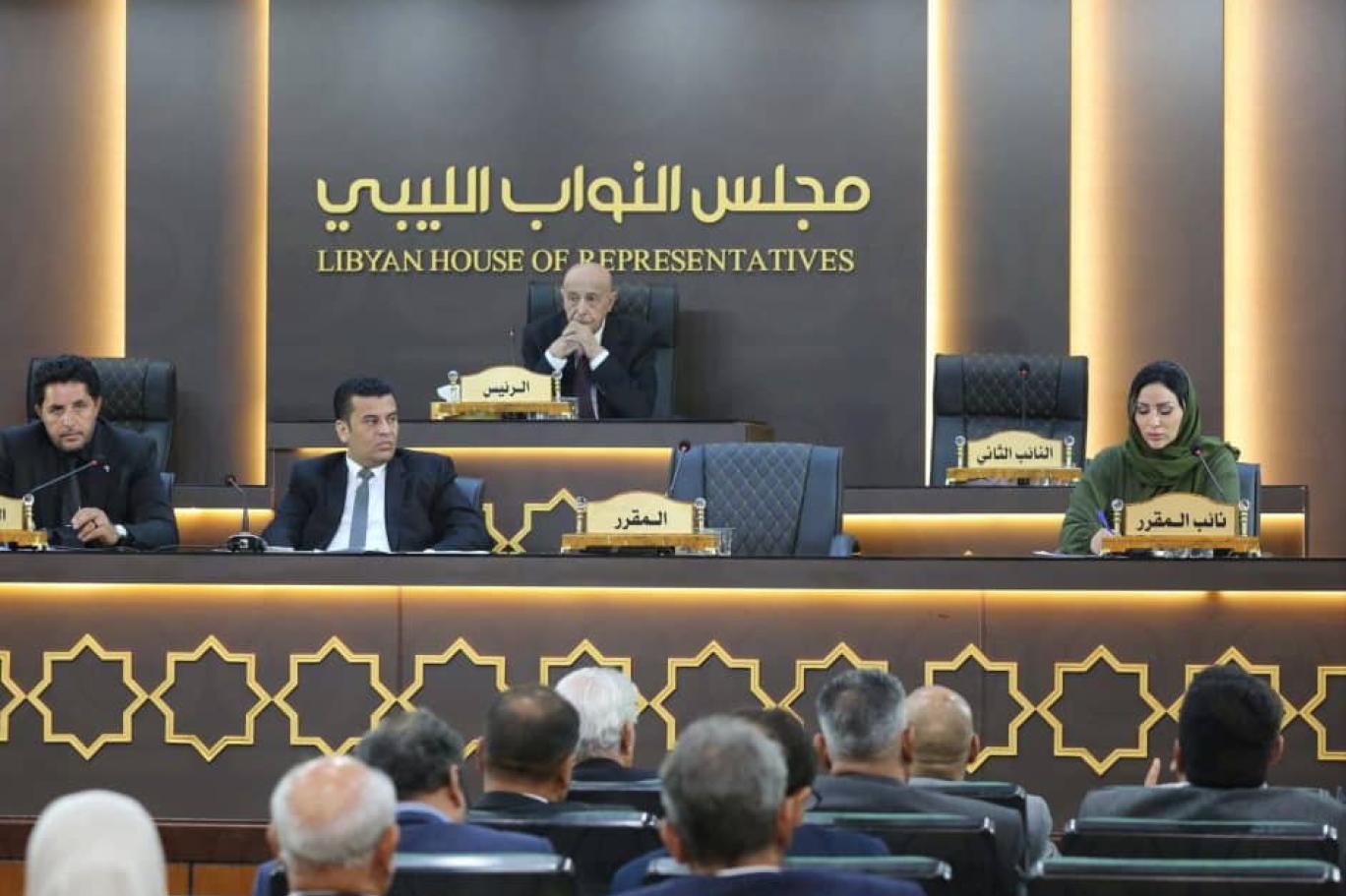
The 4+4 Committee, composed of four representatives from the House of Representatives and four from the High State Council, has been meeting intensively over recent weeks to finalize the legal framework required to hold nationwide elections. According to the UN Mission, the committee "completed most of the issues associated with the electoral milestone within the first two stations of the road map and is nearing completion of the remaining steps."
The consensus reached by the 4+4 Committee addresses several key areas of Libya's electoral framework:
The 4+4 Committee was established as part of a broader UN-led initiative to resolve Libya's political deadlock by bringing together representatives from the country's two rival legislative institutions. The committee's work has been closely monitored by the international community, with multiple diplomatic efforts aimed at ensuring that the process moves forward without further delays. Previous attempts to agree on an electoral law had repeatedly stalled over disagreements related to eligibility criteria, particularly regarding the candidacy of military figures and dual nationals.
The latest round of negotiations gained momentum following increased diplomatic engagement from regional and international stakeholders. Analysts note that the current political climate, combined with growing pressure from Libyan citizens demanding democratic elections, has contributed to the breakthrough.
The agreement has been welcomed by international observers, with the UN Mission describing it as a significant step toward fulfilling the Libyan people's aspiration for democratic governance. Regional organizations and foreign governments have also expressed cautious optimism, emphasizing the need for timely implementation.
Mohamed Al-Menfi, Chairman of the Presidential Council of Libya, has previously stressed that holding elections is essential for restoring stability and legitimacy to Libyan institutions. "Elections are the only path to ending the cycle of transitional governments and establishing a legitimate, representative government," Al-Menfi said in a recent statement.
For millions of Libyans, the agreement on election law represents the closest the country has come in years to holding free and fair elections. Libya has been plagued by political fragmentation, armed conflict, and institutional division since 2014, with multiple transitional governments failing to unify the country.
The successful completion of the electoral framework could pave the way for elections within the coming months, ending over a decade of transitional governance. Citizens across Libya have long demanded the right to choose their leaders through the ballot box, and this agreement brings that possibility closer to reality than at any point since the 2011 revolution.
The next phase will require translating the legal agreement into actionable steps, including the establishment of the High National Elections Commission's operational plan, voter registration drives, and candidate announcements. The international community is expected to provide significant logistical and technical support to ensure the process proceeds smoothly.
As Libya stands on the threshold of a new chapter, the 4+4 Committee's agreement demonstrates that political compromise remains possible even in the most challenging environments. The coming weeks will be critical as the country moves from legal consensus toward the historic act of democratic elections.
— LibyaPress / Politics Desk