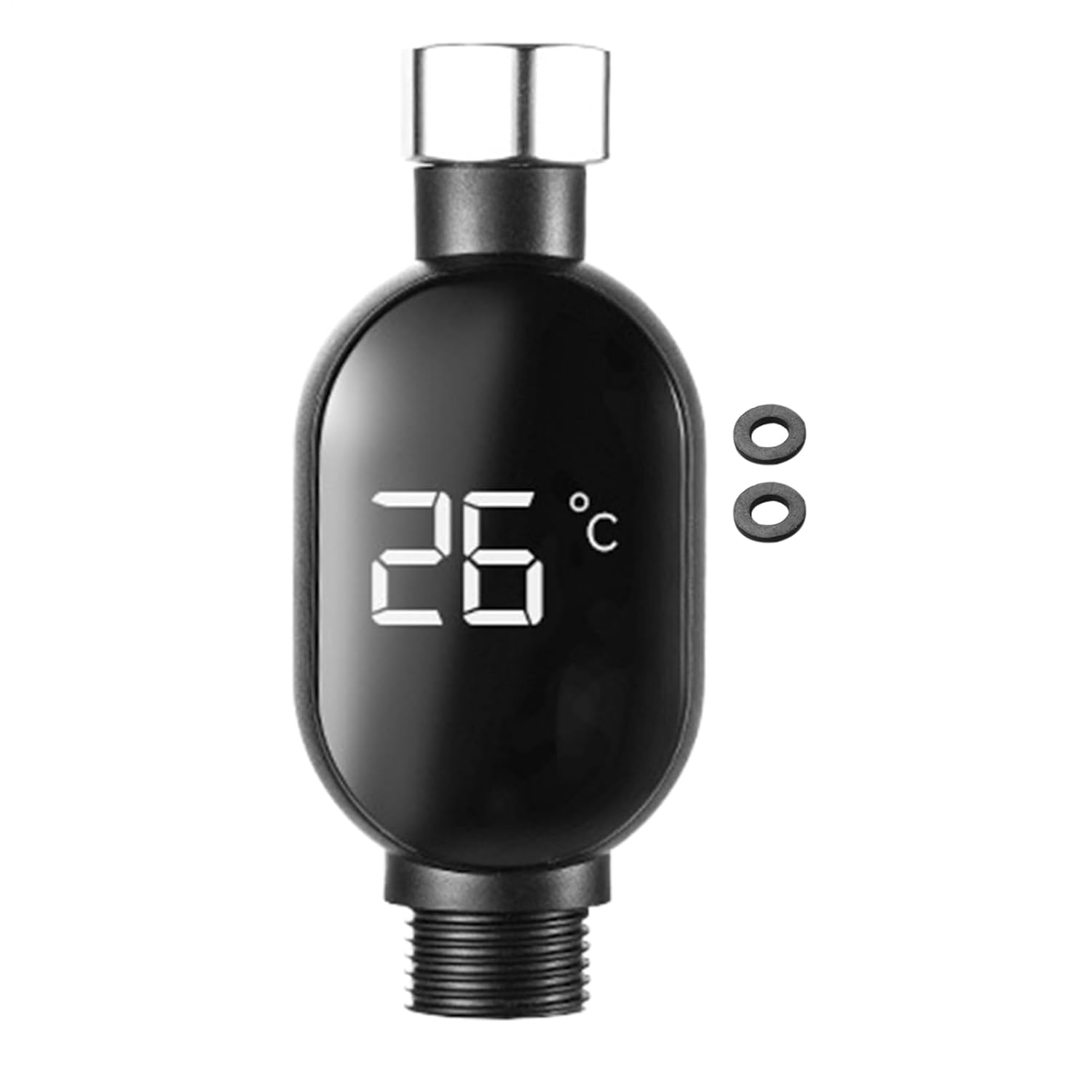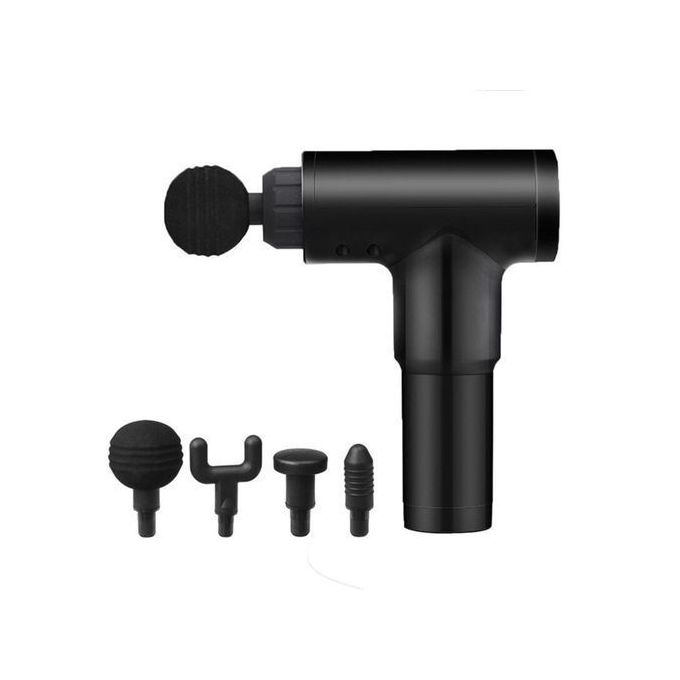
جهاز التدليك
وفر 39%! اشترِ جهاز التدليك بسعر 238.08 د.ل فقط في ليبيا. متوفر حالياً، الدفع عن
🛒 تسوق الآن Libya Press
The United Nations announced on Wednesday that a new consensus has been reached on the long-awaited legislation concerning Libya's Presidential Council. The breakthrough came during a mini-session known as the "4+4" meeting, bringing together key Libyan political actors in an effort to resolve one of the country's most persistent constitutional obstacles. The agreement marks a significant step forward in Libya's stalled political transition, offering renewed hope for a unified government.
The United Nations Support Mission in Libya (UNSMIL) confirmed the development in an official statement released today, describing the consensus as a "critical milestone" for the country's democratic trajectory. The legislation addresses the structure, powers, and selection mechanism of the Presidential Council, an institution that has been at the heart of Libya's political deadlock for over a decade. For millions of Libyans who have endured years of division, this agreement represents a tangible path toward stability.
The "4+4" format brought together representatives from four key Libyan political bodies, each holding four seats at the negotiating table. This compact structure was designed to break the deadlock that had paralyzed previous rounds of dialogue held under the auspices of the United Nations in both Geneva and Cairo over the past 18 months. According to diplomatic sources familiar with the negotiations, the session lasted three days and involved intensive closed-door discussions on the most contentious articles of the proposed law.
The agreement reportedly covers 24 articles of the Presidential Council law, including provisions on decision-making quorums, the relationship between the Council and the Government of National Unity, and the mechanism for appointing council members. A senior UN official, speaking on condition of anonymity because the final text has not yet been published, stated that "all parties demonstrated a spirit of compromise that was absent in previous rounds." The development comes exactly 214 days after the last round of negotiations collapsed in Tunis over disputes regarding executive authority distribution.
A senior Western diplomat involved in the mediation efforts told LibyaPress that the agreement exceeded expectations. "This is the first time in over four years that all parties have left the table with a shared understanding of what the Presidential Council law should look like. The atmosphere in Geneva was markedly different from previous rounds — there was a genuine recognition that continued deadlock serves no one. The Libyan people deserve this chance at progress," the diplomat said. The statement reflects a growing international consensus that Libya's political class must seize this window of opportunity before external pressures — including economic instability and security threats from armed groups — further complicate the path to national elections.
For Libya, the agreement on Presidential Council legislation is far more than a procedural development. It is the constitutional foundation upon which future elections — both presidential and parliamentary — depend. Without a clear legal framework for the Presidency Council, the formation of any unified government remains legally contested, as Libya witnessed during the repeated power struggles between competing administrations in the east and west of the country. The legislation, once ratified, will provide the legal clarity needed to move toward elections that could finally end the cycle of transitional governments that has defined Libyan politics since 2011.
Libyan citizens, who have waited years for meaningful political progress, expressed cautious optimism on social media following the announcement. Many referenced the ongoing challenges of currency shortages, power outages, and deteriorating public services as urgent reasons to support any agreement that could lead to a stable, accountable government. The Libyan diaspora, spread across more than 40 countries worldwide, also welcomed the news, with community leaders in Tunis, Cairo, and London calling on all political actors to honor the consensus reached in Geneva.
The road ahead remains challenging but navigable. The agreed legislation must now pass through the House of Representatives for ratification, where it requires a two-thirds majority to be adopted. Political analysts caution that while the Geneva consensus is a major achievement, the translation of this agreement into functioning institutions will require sustained international engagement and domestic political will. The United Nations has pledged to continue its facilitation role, with the next round of consultations expected to focus on the electoral law framework within the coming weeks.
Despite the obstacles that remain, today's announcement represents the most concrete progress Libya has seen in its political transition since the 2020 ceasefire agreement. For a nation of nearly 7 million people aspiring for stability and democratic governance, the message from Geneva is clear: consensus is possible, and the path forward, though narrow, is now open.
— LibyaPress / Politics Desk