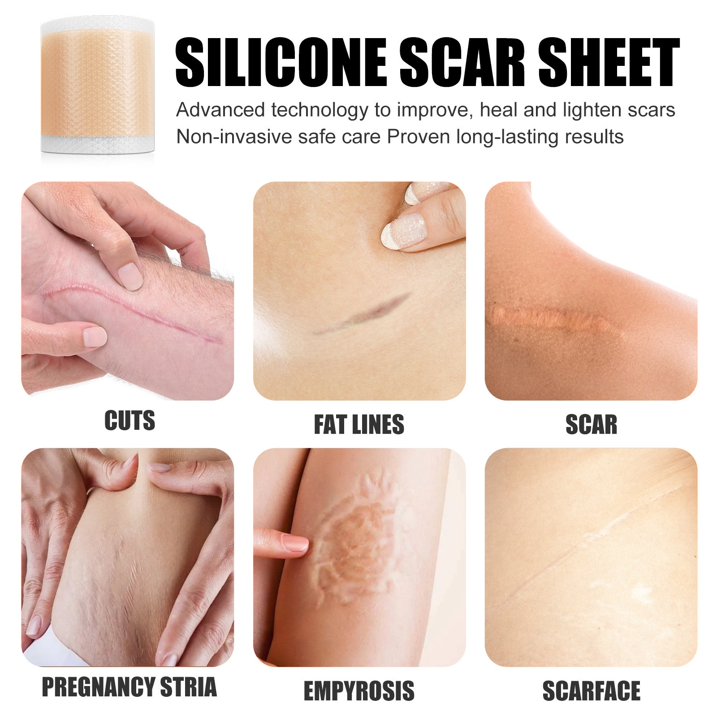
صفائح سيليكون لعلاج الندبات
وفر 12%! اشترِ صفائح سيليكون لعلاج الندبات بسعر 176.26 د.ل فقط في ليبيا. متوفر ح
🛒 تسوق الآن Libya Press
Picture this: you buy every ingredient, clear your kitchen counter, follow each step with excitement — and the result is a flat cake or a mushy stew. You're not alone. According to culinary surveys, 81% of home cooks report failing a recipe on their first attempt. But here's what professional chefs know: success isn't luck — it's science, awareness, and small details.
Whether you're a student in Tripoli trying your first pasta dish or a home cook in Benghazi tackling a favourite dessert, these chef-tested secrets will transform your kitchen confidence from day one.
The single most common mistake? Reading while cooking. A recipe isn't just a list of instructions — it's a complete narrative. Professional chefs follow one golden rule: read the entire recipe twice before touching a single ingredient.
Pay attention to time markers ("simmer for 20 minutes"), sequence words ("gradually add"), and temperature cues ("room temperature butter"). One misread step — like adding cold eggs to creamed butter — can ruin the texture without you ever knowing why.
A brilliant recipe with weak ingredients will always fail. According to Sayidaty Kitchen's expert chefs, ingredient quality matters more than expensive equipment. Three non-negotiable rules:
Here's a crucial distinction many home cooks miss: cooking (stews, stir-fries) tolerates "a pinch of this." Baking and desserts? Absolutely not.
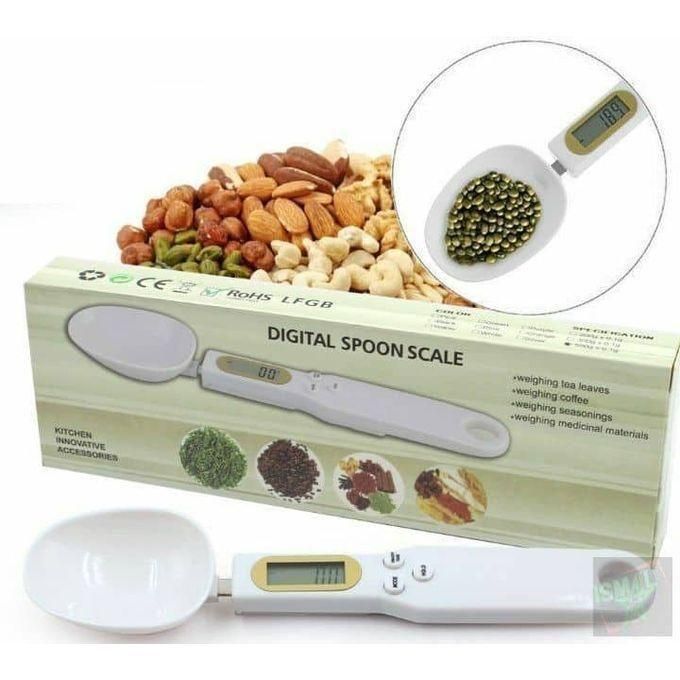
Use proper measuring cups and spoons. Level flour with a knife — never pack it into the cup. One tablespoon means a proper tablespoon, not whatever spoon is closest. This discipline eliminates 30% of recipe failures.
Butter that's too cold won't cream. Eggs that are fridge-cold will seize your batter. Milk that's too hot will kill your yeast. Temperature is the invisible variable that separates success from failure.
The rule: butter should be soft (leave it out 30-60 minutes), eggs at room temperature for desserts, and milk warm — never boiling — when activating yeast. Zero extra skill, dramatically better results.
One of the most damaging habits? Cranking up the heat to speed things up. Result: food burned on the outside, raw inside.
The professional approach: use high heat to seal surfaces, then reduce to gentle heat to cook through. Always preheat your oven. Never open the oven door during the first 75% of baking time.
Rushing fermentation, skipping resting time, or randomly adjusting cooking times is a recipe for disaster. Dough needs time to develop flavour and structure.
Set a timer. Follow the stated time exactly on your first attempt. Only after you've succeeded once should you start experimenting. Good food cannot be hurried.
This is the hardest rule for enthusiastic cooks: follow the recipe exactly the first time. Don't reduce sugar, don't add extra spices, don't swap cooking methods.
Once you've succeeded, then adapt. And if you fail? Ask yourself: was it texture? Taste? Doneness? Write it down. Professional chefs failed hundreds of times — the difference is they never repeated the same mistake.
You don't need expensive equipment or years of experience. You need awareness, patience, and the willingness to follow proven steps. Start with one recipe this week — read it twice, measure precisely, respect the temperature, and trust the process.
The secret to "recipes that never fail" isn't really a secret at all. It's doing the basics, brilliantly.
— Libya Press / Lifestyle Desk