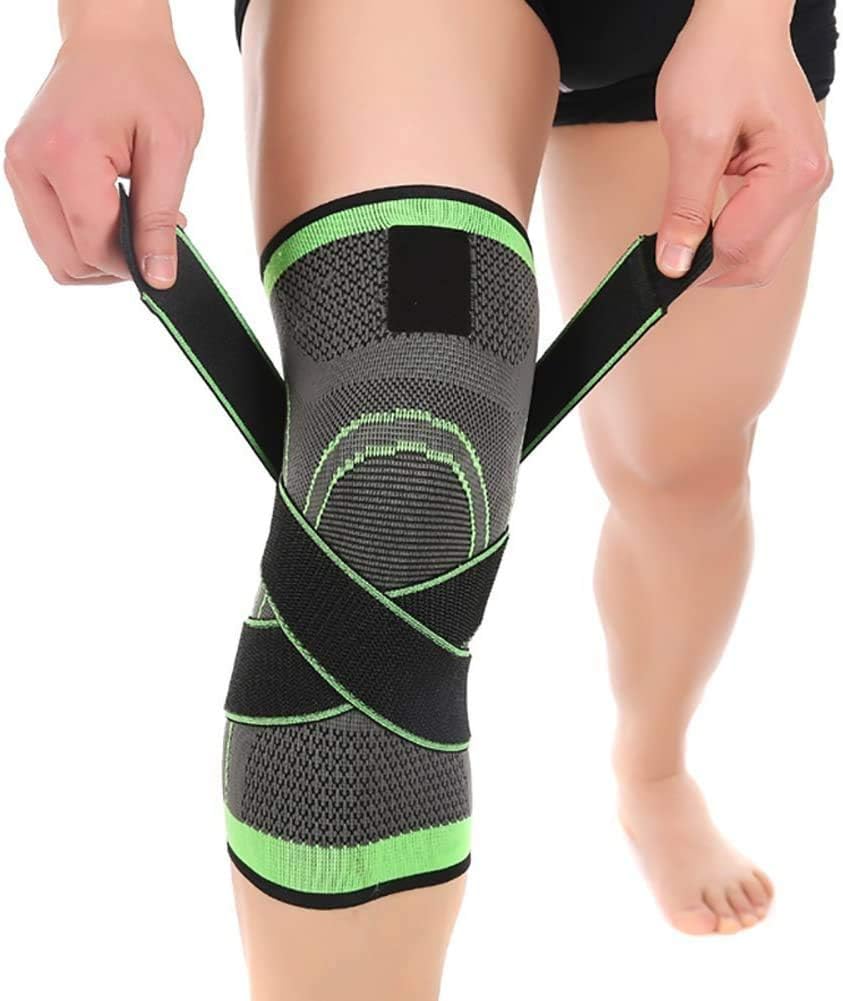
كم الركبة الضاغط
وفر 45%! اشترِ كم الركبة الضاغط بسعر 142.08 د.ل فقط في ليبيا. متوفر حالياً، الدف
🛒 تسوق الآن Libya Press
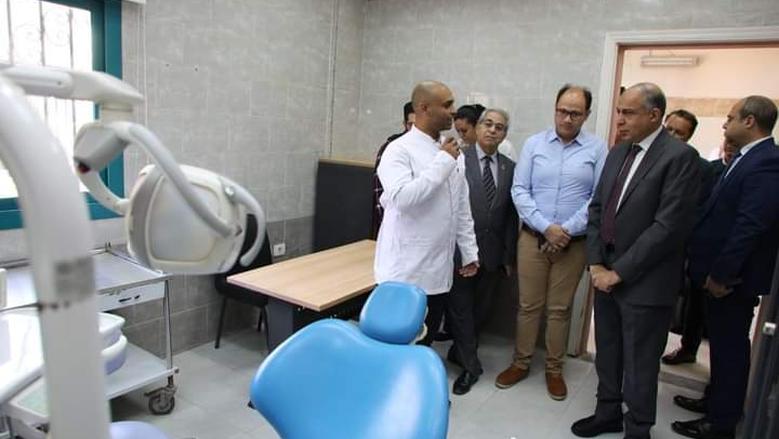
Tripoli's healthcare landscape reached a significant milestone on Sunday, July 5, 2026, with the official inauguration of a state-of-the-art dental services center. This facility is designed to bridge the systemic gap in specialized oral care and provide Libyan citizens with modern, evidence-based medical interventions that were previously scarce in the public sector.
The high-profile opening ceremony was led by the Minister of Health of the Government of National Unity, Dr. Mohammed Al-Ghouj. The Minister emphasized that the center is the result of strategic planning and development work specifically aimed at upgrading the national health infrastructure to meet 21st-century standards.
By integrating advanced technology with clinical expertise, the Ministry of Health aims to ensure that high-quality dental care is a right for all citizens, regardless of their socio-economic background, transforming the overall patient experience in the capital.
The new center is equipped with the latest global dental technologies, marking a decisive shift away from traditional methods toward more efficient, digital-driven diagnostics and treatments. This digital transformation is expected to reduce patient waiting times and increase the precision of complex dental surgeries.
The facility's layout focuses on streamlined patient flow and maximum sterilization efficiency. Key features of the new facility include:
For decades, many Libyans have been forced to seek specialized dental treatments abroad—often in Tunisia or Turkey—or rely on expensive private clinics due to the lack of advanced public facilities. This "medical migration" created a financial burden on families and an imbalance in healthcare access.
The launch of this center represents a strategic move to localize high-end medical services. By bringing these capabilities into the public system, the government is effectively democratizing healthcare, reducing the reliance on foreign medical travel and strengthening the domestic medical workforce.
Furthermore, the center serves as a hub for preventative care, aiming to move the public health needle from reactive treatment to proactive prevention, which is essential for reducing the long-term incidence of systemic diseases linked to oral health.
Dr. Mohammed Al-Ghouj stated that this project is a cornerstone of a wider national vision to modernize health centers across every governorate in Libya. The objective is to create a standardized level of care, ensuring an equitable distribution of resources nationwide.
The focus is twofold: the physical upgrading of structures and the continuous professional development of staff. The Ministry has pledged that equipment will be maintained through rigorous service contracts to prevent the degradation of facilities—a common challenge in previous public projects.
The Ministry plans to monitor the center's performance metrics, including patient throughput and treatment success rates, to identify further needs and scale similar specialized models to other major cities, ensuring fair access to healthcare.
Local health observers believe that the center will serve as a "beacon of health," illuminating the path toward a more self-sufficient healthcare system. The integration of modern services is expected to trigger a cultural shift, encouraging citizens to prioritize regular check-ups and preventative hygiene.
In the long term, the availability of such a center is predicted to lower the incidence of severe dental complications, reducing the overall load on emergency hospital wards. As Tripoli continues to develop its urban services, this specialized center marks a definitive step toward a resilient, sustainable, and world-class national healthcare system.
— Libya Press / Health Desk