
قطاعة الخضر
وفر 17%! اشترِ قطاعة الخضر بسعر 264.96 د.ل فقط في ليبيا. متوفر حالياً، الدفع عند
🛒 تسوق الآن Libya Press
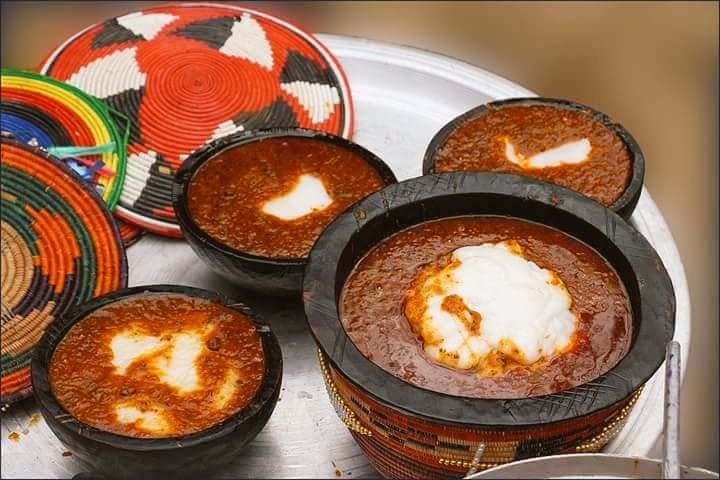
Mullah Al-Sharmout, also known as Sudanese Sharmout Stew, is far more than just a hearty meal; it is a profound cultural cornerstone of Sudanese hospitality and home cooking. This thick, savory stew is renowned for its deep, concentrated flavor profile and its essential pairing with traditional Asida (a stiff, fermented porridge). For many, the scent of Sharmout evokes memories of family gatherings and ancestral heritage.
The hallmark of an authentic Sharmout stew is the use of "Sharmout"—beef that has been salted, air-dried, and shredded. This ancient preservation method, born out of necessity in the hot Sudanese climate, gives the meat a concentrated, umami-rich taste that defines the dish's unique character. Unlike fresh meat, Sharmout provides a salty depth that anchors the flavor palette.
What truly distinguishes Mullah Al-Sharmout from other African or Middle Eastern stews is its distinctive, slightly viscous consistency. This unique texture is achieved through the addition of Waika, a fine powder made from dried and ground okra leaves. This ingredient is non-negotiable for any chef aiming for authenticity.
Waika acts as a natural thickening agent, transforming the broth into a smooth, velvety sauce that clings perfectly to the Asida. Without this critical ingredient, the dish would lack the necessary "grip" and mouthfeel that Sudanese diners expect. Mastering the ratio of Waika is an art often passed down from mothers to daughters over generations.
While regional variations exist, the core process follows a disciplined sequence to ensure the flavors are perfectly balanced:
Though it originates in the heart of Sudan, the appreciation for hearty, slow-cooked stews is a shared trait across North Africa. In Libya, where the food culture places a high premium on richness and warmth, the flavors of Mullah Al-Sharmout resonate deeply with the local palate.
Over the decades, Sudanese communities in Libya have integrated this beloved dish into their social fabric. By sharing the warmth of the Nile with their neighbors in Tripoli and Benghazi, they have turned a simple meal into a tool for cultural diplomacy. Tasting Mullah Al-Sharmout is a way to experience the soul of Sudan through food.
Beyond its taste, Mullah Al-Sharmout is a powerhouse of nutrition. It provides high-quality protein from the beef and essential minerals from the okra leaves. Historically, preserving meat as Sharmout ensured that families had a reliable source of protein throughout the year.
In a social context, serving Sharmout stew is a gesture of immense respect. It is often reserved for guests of honor or celebratory feasts. To offer someone a bowl of perfectly prepared Sharmout and Asida is to offer them the very best of Sudanese hospitality.
— Libya Press / Women's Desk