
كم الركبة الضاغط
وفر 24%! اشترِ كم الركبة الضاغط بسعر 198 د.ل فقط في ليبيا. متوفر حالياً، الدفع ع
🛒 تسوق الآن Libya Press
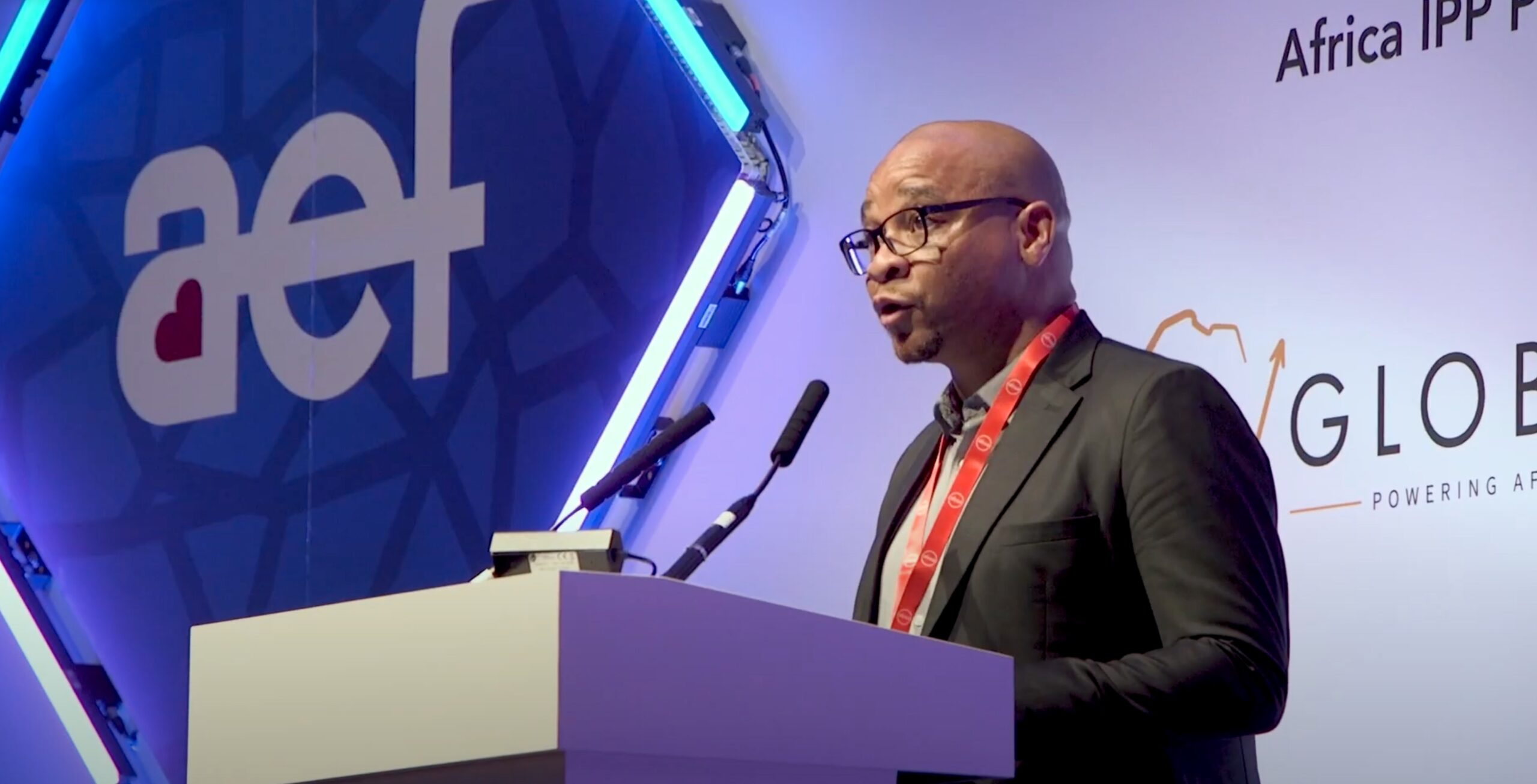
The Africa Energy Forum (AEF) 2026 returns to Cape Town from June 16–19, bringing together over 283 speakers, investors, and government leaders to drive Africa's shift from energy access to industrial-scale infrastructure. Under the theme "Building Africa's Industrialised Future," the forum will convene at the Cape Town International Convention Centre with a pragmatic focus on powering growth for more than 1.5 billion people across the continent.
This year's agenda marks a decisive pivot from aspiration to tangible delivery. The forum connects five critical pillars — energy, critical minerals, infrastructure, finance, and technology — to accelerate the continent's role in global supply chains and long-term investment. Simon Gosling, Managing Director of EnergyNet, the organiser behind the event, said the 2026 programme focuses on "the hardware of industrialisation — the steel, concrete and transmission lines that will define Africa's industrial future."
Forum sponsor Sun Africa leads a coalition of major energy players whose projects are already reshaping the continent's industrial base. Adam Cortese, CEO of Sun Africa, expressed enthusiasm for the calibre of capital and commitment expected in Cape Town. "Companies are financing baseload capacity for heavy industry, building mining corridors that will define trade routes for decades, and deploying renewable projects that will anchor Africa's manufacturing future," he said.
Major sponsors are already delivering at scale. ACWA Power, Infinity Power, and AMEA Power are building gigawatt-scale renewable capacity across multiple African markets. Globeleq and TotalEnergies are financing and operating projects that demonstrate how private capital can deliver industrial-grade infrastructure. British International Investment and the International Finance Corporation (IFC) are structuring blended finance deals designed to unlock sovereign wealth fund participation, while Nedbank CIB provides the sustainable finance frameworks that help projects reach financial close.
Africa holds more than 30 percent of the world's critical mineral reserves, and the forum dedicates a full two-day stream to exploring downstream processing, transport corridors, and value capture strategies. Sessions will examine the Lobito Corridor, Liberty Corridor, and Simandou infrastructure as replicable models for large-scale project finance. The discussions aim to move the continent beyond raw extraction toward processing and manufacturing — capturing more value domestically.
Grid expansion and baseload availability are central themes. Sessions will address private investment structures for transmission, 24/7 power availability for data centres and manufacturing hubs, and energy trading frameworks that transform project finance through creditworthy off-take agreements. Technology-focused panels will cover the use of artificial intelligence for revenue protection, data centre supply chain development, and compliance with the European Union's Carbon Border Adjustment Mechanism (CBAM).
Cape Town provides a fitting backdrop. South Africa is actively navigating private transmission investment reforms, energy trading mechanisms, mining-driven renewable deployment, and the tension between industrial growth and climate commitments — challenges that mirror what the rest of the continent will face in the coming years. The city's ongoing energy reforms offer delegates a live, practical case study in progress.
Beyond panel discussions, the forum is structured to facilitate deal-making. Closed-door roundtables will bring together development finance institutions, sovereign wealth funds, Middle East ministers, utility executives, regulators, and private sector leaders for frank discussions on capital deployment. Confirmed speakers include South Africa's Minister of Electricity and Energy Dr. Kgosientsho Ramokgopa, Deputy Minister Samantha Graham-Marè, Eskom Group CEO Dan Marokane, Liberia's Vice President Jeremiah Kpan Koung, and the African Union's Commissioner for Infrastructure and Energy.
The Africa Energy Forum 2026 arrives at a pivotal moment. With global supply chains restructuring and demand for critical minerals surging, the continent has a narrow window to convert resource wealth into industrial capacity. The forum's emphasis on execution — bankable projects, credible off-takers, and patient capital — signals a maturing ecosystem. For Libya and North African nations with significant energy infrastructure ambitions, the models discussed in Cape Town offer both inspiration and practical blueprints for attracting investment and building industrial-scale power systems.