
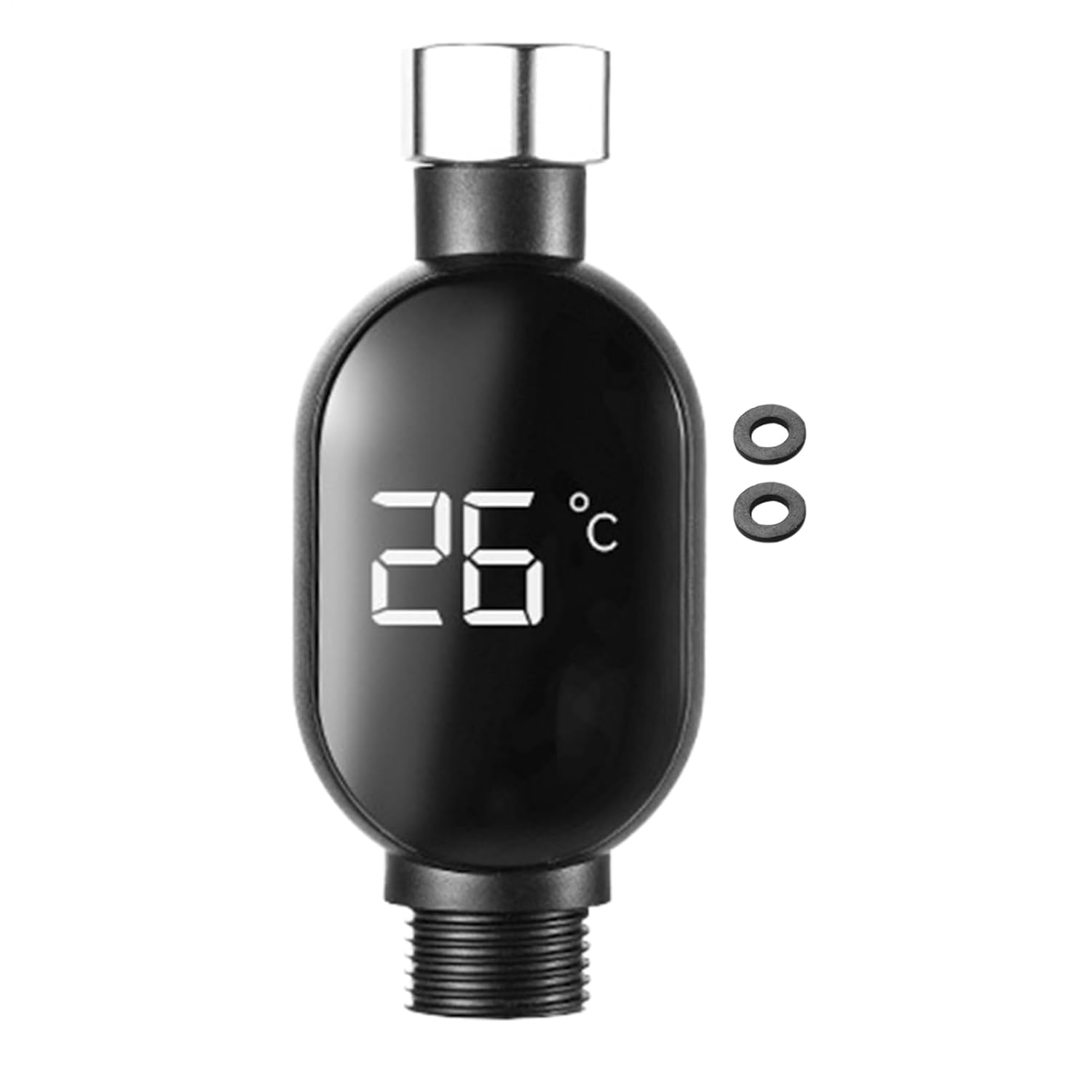
جهاز مراقبة درجة حرارة تدفق المياه
وفر 35%! اشترِ جهاز مراقبة درجة حرارة تدفق المياه بسعر 163.2 د.ل فقط في ليبيا. م
🛒 تسوق الآن Libya Press
The global oil and gas industry is witnessing a seismic shift as agentic AI — artificial intelligence systems capable of autonomous decision-making — moves from experimental labs to active oilfields. A new research report projects the agentic AI in oil and gas oilfield automation market will undergo significant transformation by 2034, with major energy corporations already deploying these systems at scale.
India's Oil and Natural Gas Corporation (ONGC) became one of the first national oil companies to implement an agentic AI framework for large-scale well operations, addressing critical scalability challenges that have plagued the industry for decades. The deployment marks a turning point in how the sector approaches automation, moving beyond simple machine learning models toward truly autonomous agents.
Unlike traditional AI systems that require human oversight for every decision, agentic AI operates with a degree of autonomy — analyzing real-time data, making operational adjustments, and learning from outcomes without constant human intervention. In oilfield environments, this capability is revolutionary.
Sumit Srivastav and Sagar Kothe, industry researchers examining the technology's potential, noted that agentic AI "has the potential to transform the industry with its autonomous decision-making capabilities." Their analysis highlights how these systems can manage complex workflows across drilling, production, and maintenance operations simultaneously.
The key distinction lies in the architecture: agentic AI systems don't just predict — they act. They can autonomously adjust drilling parameters, optimize production rates, detect equipment anomalies, and even coordinate responses across multiple wells in real time.
Sumit Srivastav, a leading voice in energy sector AI research, emphasized that the shift represents more than incremental improvement. "Agentic AI has the potential to transform the industry with its autonomous decision-making capabilities," Srivastav stated, pointing to the technology's ability to handle the complexity of modern oilfield operations that overwhelm conventional automation systems.
Sagar Kothe, co-author of the analysis, examined how these frameworks create new value streams — not just cost savings but entirely new operational paradigms. The research suggests that companies adopting agentic AI early will establish significant competitive advantages in production efficiency and safety metrics.
For Libya — home to Africa's largest proven oil reserves — the rise of agentic AI in oilfield automation carries profound implications. The National Oil Corporation (NOC) has been working to modernize infrastructure after years of conflict-related damage, and autonomous AI systems could accelerate recovery while reducing operational costs.
Libya's oil sector faces unique challenges: aging infrastructure, security concerns limiting personnel access to remote fields, and the need to maximize output from mature reservoirs. Agentic AI systems that can operate with minimal human intervention are particularly suited to these conditions, potentially enabling production optimization in fields where regular human oversight is difficult.
North African energy producers, including Algeria and Egypt, are also monitoring these developments closely. As global oil companies increasingly demand AI-driven efficiency gains, Libyan energy firms that adopt these technologies early will be better positioned to attract international investment and technical partnerships.
The agentic AI revolution in oilfield automation is not a distant prospect — it is happening now. With ONGC's deployment serving as a proof of concept and market research tracking growth through 2034, the technology is moving from innovation to infrastructure.
For energy-producing nations like Libya, the strategic question is no longer whether to adopt agentic AI, but how quickly integration can begin. The companies and countries that embrace autonomous oilfield systems today will define the next era of global energy production.
— LibyaPress / Economy Desk