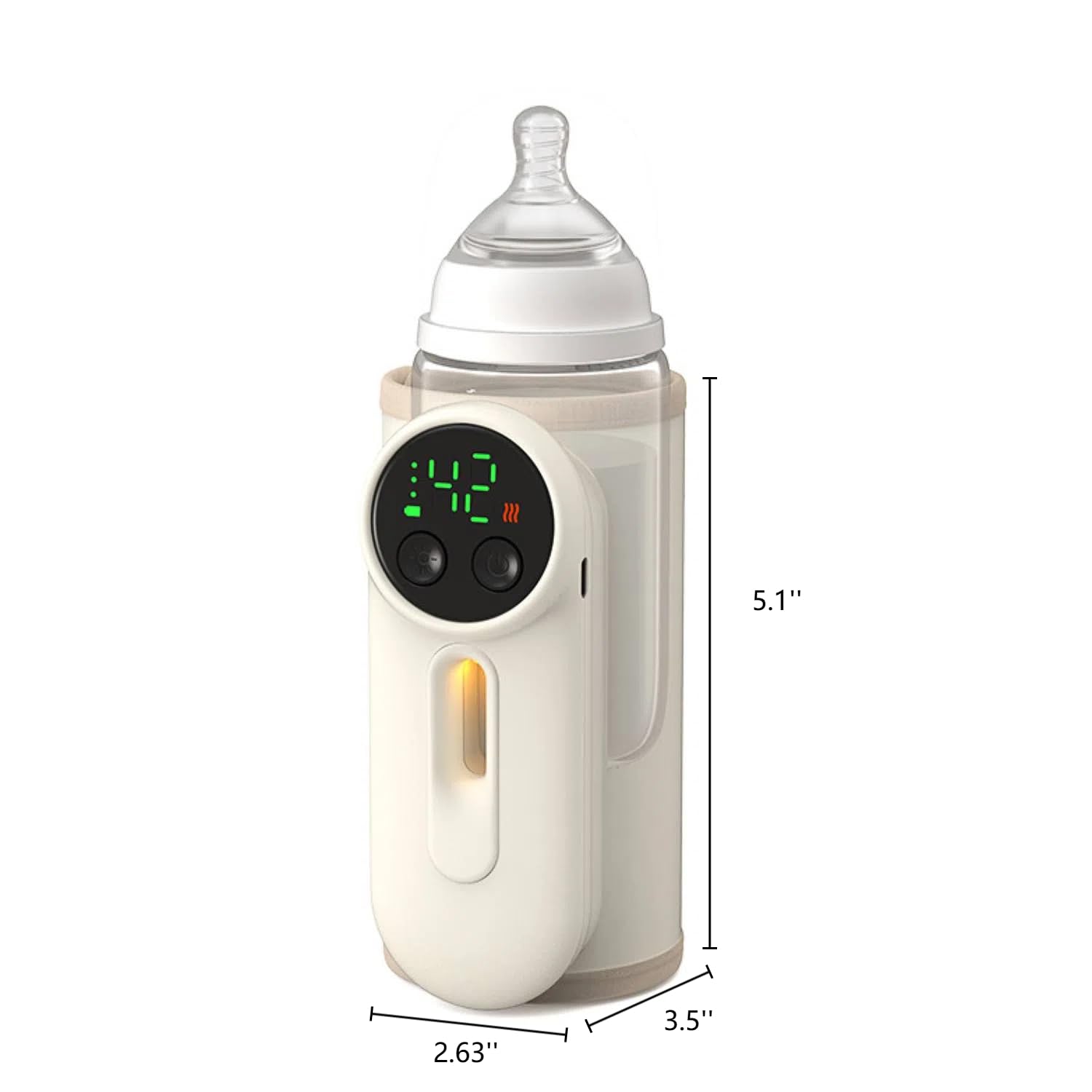
مدفأة زجاجات الأطفال المحمولة
وفر 17%! اشترِ مدفأة زجاجات الأطفال المحمولة بسعر 314.88 د.ل فقط في ليبيا. متوفر
🛒 تسوق الآن Libya Press
Manchester United have secured the majority of land required to build their new 100,000-seater stadium, marking a major milestone in one of the most ambitious sports infrastructure projects in European football. The club announced on Monday that it has acquired a 25-acre site north of the current Old Trafford ground, moving a critical step closer to realizing a vision that has been years in the making.
The Old Trafford Regeneration project represents a £2 billion, 370-acre development aimed at transforming the area into a major sports-led, mixed-use district. The acquisition of the 25-acre plot, located near the existing stadium along the John Gilbert Way and Europa Way corridor, gives the club control over the majority of land needed for the new stadium footprint. This development is not just about football — it promises thousands of homes, public spaces, transport improvements, and community facilities that will reshape the fabric of the Trafford area for decades to come.
The new stadium project represents far more than a sporting venue. It is a generational investment that will redefine Manchester United's financial trajectory for the next century. A 100,000-seater ground would place the club among Europe's elite in terms of matchday revenue, hospitality offerings, and commercial opportunities. According to project documentation, the development will incorporate cutting-edge sustainability features, modern fan experience technology, and a design intended to honor the heritage of the original Old Trafford while delivering a world-class facility fit for the 21st century.
The regeneration project is expected to deliver significant economic benefits to the Greater Manchester region. Thousands of construction jobs will be created during the building phase, followed by permanent employment opportunities once the district is operational. The mixed-use nature of the 370-acre development means the area will become a vibrant neighborhood rather than a destination that comes alive only on match days. Local transport infrastructure improvements are also planned as part of the wider project, potentially easing congestion and improving connectivity for residents across South Manchester.
With the land now secured, the focus shifts to the detailed planning and design phase. Manchester United will need to work closely with Trafford Council, local residents' groups, and heritage organizations to finalize the stadium design and secure full planning permission. The club has signaled that community consultation will be central to the process, ensuring that the voices of lifelong supporters and local residents shape the final outcome. No official timeline for construction completion has been announced, but industry analysts suggest a project of this scale would require at least five to seven years from groundbreaking to opening day.
For Manchester United supporters worldwide, this is the beginning of a new chapter — one that honors over a century of history at Old Trafford while building something bold for the future.
— LibyaPress / Sports Desk
===END_ENGLISH===