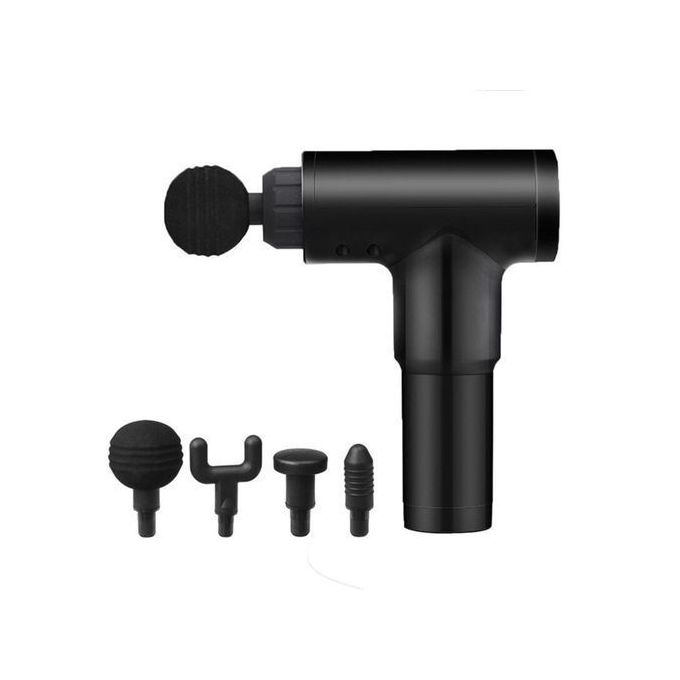
كاشف الكاميرات الخفية
وفر 17%! اشترِ كاشف الكاميرات الخفية بسعر 390 د.ل فقط في ليبيا. متوفر حالياً، ال
🛒 تسوق الآن Libya Press
The Arabian Gulf Oil Company (AGOCO) announced on Saturday the successful restart of the T-02 flow tank at the main complex of the Sarir oil field in southeastern Libya, marking the completion of a comprehensive maintenance programme that began four years ago. The achievement is expected to significantly boost the field's crude oil storage and handling capacity, reinforcing Libya's position as a leading oil producer in North Africa and supporting the national economy that depends heavily on petroleum revenues.
The T-02 flow tank restart represents the final phase of the strategic "O-93" project at the Sarir field, one of Libya's largest and most productive oil reserves located in the Sirte Basin. AGOCO, a subsidiary of the National Oil Corporation (NOC), described the tank's commissioning as a "strategic achievement" that will directly increase the field's crude oil storage and handling capacity. The maintenance programme faced significant technical and financial challenges over its four-year timeline, including delays and disruptions to the original schedule caused by the broader instability affecting the country. The company publicly commended the efforts of Sarir field employees and staff who worked persistently to bring the project to completion despite these considerable obstacles. The Sarir field has historically been among Libya's top-producing assets, and maintaining its infrastructure is critical for sustaining national output levels.
The restart comes at a critical time for Libya's oil sector, which has faced repeated disruptions due to political instability, infrastructure decay, and security challenges in recent years. The Sarir field, operated by AGOCO, has historically been one of the country's top-producing assets, with output capacity that can exceed 200,000 barrels per day when fully operational. Industry analysts note that maintaining and upgrading aging infrastructure at major fields like Sarir is essential for Libya to sustain its production levels and remain competitive in global energy markets. Libya holds the largest proven oil reserves in Africa, estimated at over 48 billion barrels, and the petroleum sector accounts for approximately 95% of export revenues and nearly 60% of GDP. The successful completion of the O-93 project signals that operational progress is achievable even amid the complex political and security environment that continues to affect the country.
Despite this positive development, Libya's oil sector continues to face substantial challenges. Ongoing political divisions between rival authorities in the east and west create uncertainty around unified energy policy, investment decisions, and the equitable distribution of oil revenues. Infrastructure across many fields suffers from years of underinvestment and deferred maintenance, while security concerns in oil-producing regions persist, occasionally leading to forced shutdowns and production losses. The National Oil Corporation has been actively working to attract foreign investment and technical partnerships to modernise facilities and increase recovery rates at mature fields. The completion of the O-93 project at Sarir demonstrates that meaningful progress is possible even under difficult circumstances, provided there is sustained commitment from operational staff and management. Looking ahead, continued investment in maintenance, upgrading, and expansion of Libya's oil infrastructure will be crucial for maintaining production capacity, supporting government revenues, and ensuring the long-term viability of the sector that remains the backbone of the national economy.
The successful restart of the T-02 flow tank is a meaningful step forward for AGOCO and Libya's broader energy sector, signalling a continued commitment to preserving and enhancing the country's most vital economic asset amid ongoing challenges.