
ملعقة إلكترونية ميزان
وفر 23%! اشترِ ملعقة إلكترونية ميزان بسعر 268 د.ل فقط في ليبيا. متوفر حالياً، ال
🛒 تسوق الآن Libya Press
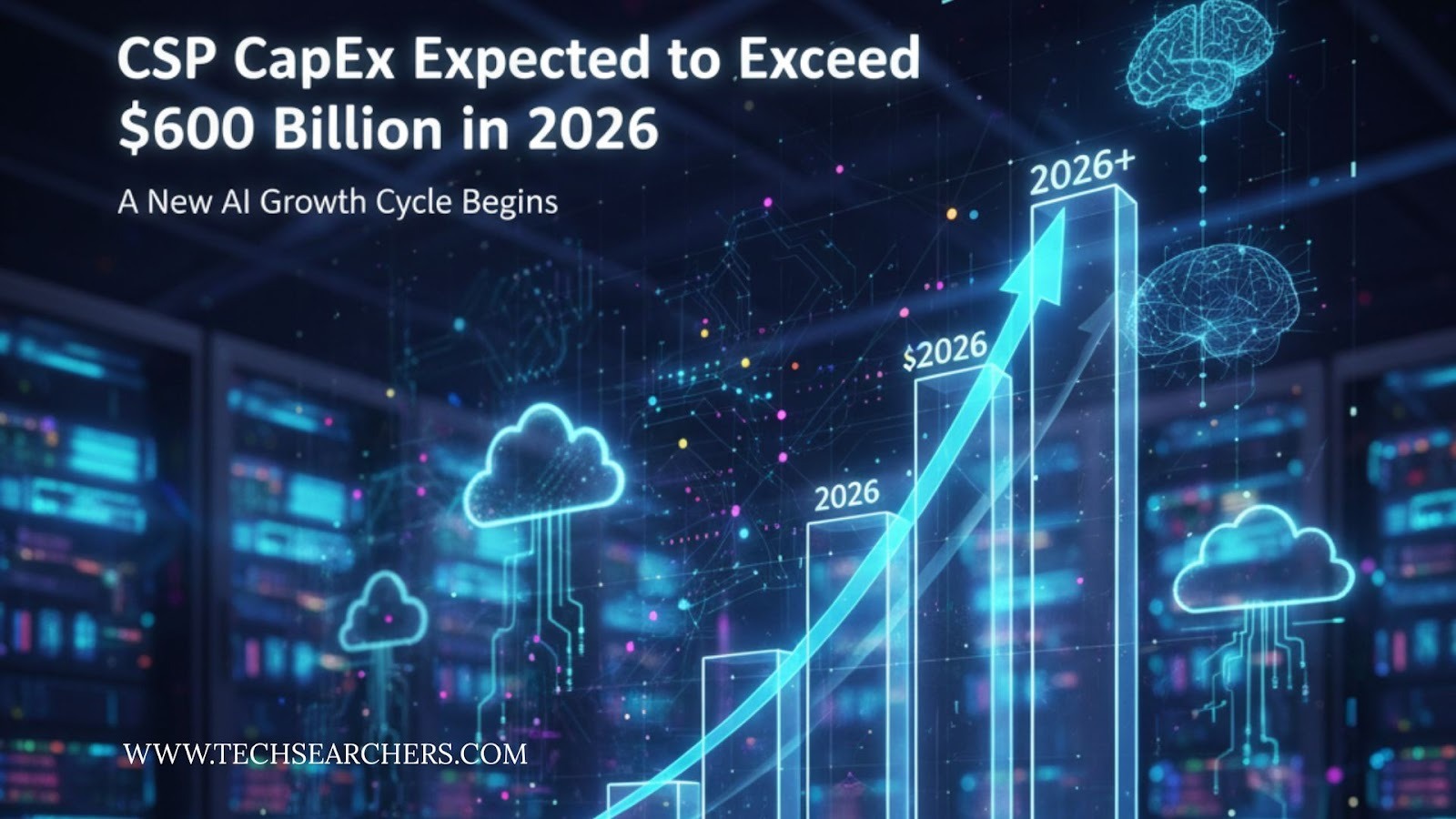
The global race to build artificial intelligence infrastructure has pushed the world's largest cloud service providers to dramatically increase their capital expenditure plans for 2026. According to updated forecasts from TrendForce, a leading technology market intelligence firm, the top nine cloud providers worldwide are now expected to spend a combined 830 billion dollars this year, marking a staggering 79 percent increase over 2025 levels and setting a new record for infrastructure investment in the technology sector.
TrendForce revised its CapEx projections upward in mid-May 2026 as demand for AI computing power continues to accelerate far beyond earlier estimates. The 830 billion dollar forecast encompasses the nine largest cloud providers globally, including Amazon Web Services, Microsoft Azure, and Google Cloud, which together account for the majority of the spending surge. The 79 percent year-over-year growth rate represents one of the largest single-year increases in infrastructure investment the technology sector has ever recorded. The primary driver behind this unprecedented spending wave is the rapid construction and expansion of AI-dedicated data centers designed to train and deploy large language models and generative AI applications at massive scale. Industry data shows that AI-related workloads now account for more than 40 percent of all new data center capacity being brought online globally.
Industry analysts say the spending surge reflects a fundamental shift in how technology companies view AI infrastructure investment. Amazon CEO Andy Jassy has publicly stated that companies must embrace AI or risk falling behind, as the retail and cloud giant plans a sweeping overhaul of its operations centered on artificial intelligence. Microsoft has been aggressively expanding its Azure data center footprint across multiple continents, while Google continues to invest heavily in its custom Tensor Processing Units and Gemini AI models. The investment boom is also creating significant ripple effects across the broader semiconductor and energy industries, with demand for advanced chips, high-bandwidth memory, and specialized networking equipment reaching all-time record levels. Technology research firms note that the current spending trajectory is sustainable only if AI services continue to generate significant and growing revenue streams for the major cloud platforms in the quarters ahead.
Despite the massive investments being deployed, the industry faces several significant and growing challenges. Energy consumption from AI data centers has become a critical concern for governments and environmental groups, with some large-scale facilities requiring as much electricity as small cities to operate. Supply chain constraints around advanced semiconductors, cooling infrastructure, and specialized construction materials could slow the pace of expansion in certain regions. Additionally, some investors and market analysts are questioning whether the enormous capital outlays will generate proportional financial returns, particularly as competition intensifies and AI service prices face downward pressure. Looking ahead, TrendForce and other major research firms expect the spending momentum to continue through 2027 and potentially beyond, though the annual growth rate may gradually moderate as the initial wave of AI infrastructure buildout begins to mature. The coming quarters will be crucial in determining whether the current investment cycle represents a sustainable transformation of the global technology landscape or a speculative bubble in AI infrastructure development.
The 830 billion dollar investment figure underscores how seriously the world's largest technology companies are taking the AI revolution, with data center infrastructure becoming the new battleground for dominance in the digital economy of the future.