
قطاعة خضروات يدوية متعددة الوظائف 4 في 1
وفر 21%! اشترِ قطاعة خضروات يدوية متعددة الوظائف 4 في 1 بسعر 198 د.ل فقط في ليبي
🛒 تسوق الآن Libya Press
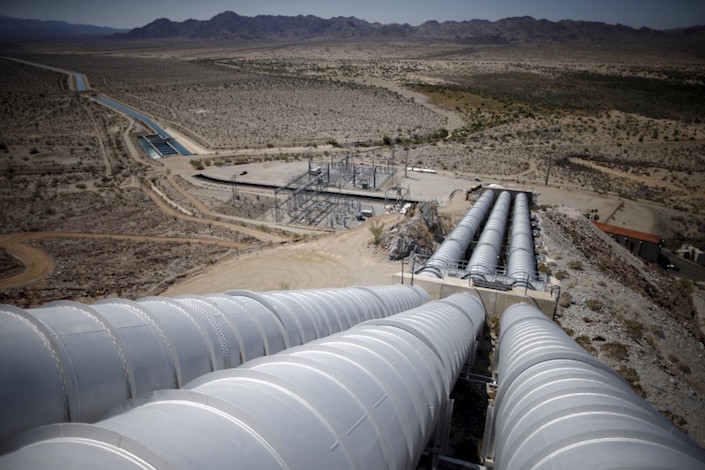
Akakus Oil Operations Company has successfully contained an oil spill on the crude oil pipeline in Concession 186, which links Stations A and D in Libya's southwestern oil-producing region. The company announced that production has resumed normally after its technical teams swiftly isolated the spill site and carried out maintenance and soil remediation work in line with industrial safety standards. The rapid response helped limit both operational disruptions and environmental impact.
The spill occurred on the pipeline connecting Stations A and D within Concession 186, one of the key oil blocks operated by Akakus Oil Operations, a joint venture between Libya's National Oil Corporation (NOC) and international partners. The company confirmed that the affected section was fully isolated and secured before maintenance crews began repairs. Soil remediation was carried out at the spill site to address any environmental contamination. The pipeline was safely restored to full operational capacity, and production resumed without significant delays. Akakus did not disclose the exact volume of the spill or the duration of the shutdown, but emphasized that the incident was managed according to established safety protocols.
The incident comes at a time when Libya's oil sector is experiencing renewed momentum. According to the NOC, Libya's crude oil production has reached approximately 1.3 million barrels per day, the highest level in over 13 years. The corporation has outlined an ambitious roadmap targeting 1.6 million barrels per day by the end of 2026, 1.8 million in 2027, and 2 million within three to five years. This growth strategy is supported by brownfield and enhanced oil recovery programs, the development of more than 42 marginal fields, and 19 greenfield redevelopment opportunities containing an estimated 1.63 billion barrels of oil equivalent. NOC Chairman Masoud Suleiman, speaking at the Libya Energy Forum in London from May 11 to 14, stated that Libya is open for business and has improved its terms and conditions to meet international standards. The forum, hosted by the Libyan British Business Council, brought together the largest-ever NOC delegation and senior executives from BP, Shell, Chevron, and other major energy firms.
Pipeline integrity remains a persistent challenge for Libya's oil infrastructure, much of which has suffered from years of underinvestment and conflict-related damage. While the swift containment of the Concession 186 spill demonstrates improved operational readiness, analysts note that sustained production growth will require significant capital investment in pipeline maintenance and upgrades. The NOC's engagement with international partners at the London forum signals a push to attract foreign investment and technical expertise. The signing of a Memorandum of Understanding between the NOC and the Libyan British Business Council, as well as a separate MoU with the British Council for workforce training, underscores the corporation's commitment to strengthening international partnerships. Libya's ability to meet its production targets will depend on maintaining security stability, securing investment, and modernizing its aging oil infrastructure.
The successful containment of the Concession 186 spill and the resumption of production reflect the growing operational capacity of Libya's oil sector, even as the country navigates the dual challenges of infrastructure modernization and attracting the foreign investment needed to sustain its ambitious production growth targets.