
قطاعة خضروات كهربائية
وفر 16%! اشترِ قطاعة خضروات كهربائية بسعر 219 د.ل فقط في ليبيا. متوفر حالياً، ال
🛒 تسوق الآن Libya Press
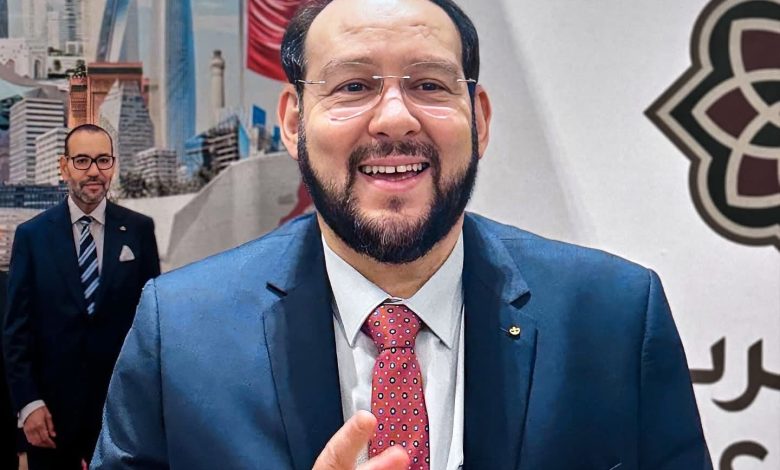
In a rapidly shifting religious and intellectual landscape, the name of Moulay Monir Al-Qadiri Bodchich has emerged as one of the most prominent contemporary Sufi figures, carrying Moroccan Sufism from its traditional spaces into the realm of global dialogue and spiritual diplomacy. From the heart of the Qadiriyya Bodchichiyya zawiya in Madagh, eastern Morocco, this scholar leads an intellectual and spiritual project rooted in moderation, love, and coexistence.
Dr. Moulay Monir Al-Qadiri Bodchich belongs to a distinguished Sufi family historically associated with the Qadiriyya Bodchichiyya order, one of the most renowned Sufi traditions in Morocco and the wider Islamic world. He received his scientific and spiritual formation within this rich tradition before expanding into intellectual and cultural work, building a remarkable presence at international conferences focused on religious and cultural dialogue.
He recently assumed the sheikhship of the Qadiriyya Bodchichiyya order following the passing of his father, Dr. Moulay Jamal Al-Din, according to a written will. This succession represents the continuation of a centuries-old spiritual lineage that has shaped Moroccan religious life and influenced Sufi practice across North Africa and beyond.
Dr. Monir Al-Qadiri serves as director of the International Sufi Forum, an annual event hosted in Madagh that attracts scholars, thinkers, and researchers from around the world. Over successive editions, this forum has evolved into a major intellectual and spiritual platform addressing contemporary human issues from a Sufi perspective, including world peace, tolerance, spiritual diplomacy, and moral development.
On the international stage, Al-Qadiri has contributed to expanding the presence of the Qadiriyya Bodchichiyya order across Europe, Africa, and North America, benefiting from growing global interest in the Moroccan spiritual model built on moderation and openness. He is increasingly viewed as one of the faces representing what is known as "Moroccan spiritual diplomacy," leveraging the kingdom's Sufi and cultural heritage to promote dialogue and peace among nations.
Dr. Al-Qadiri is known for his emphasis on what he calls "practical Sufism" — a Sufism connected to community service and the promotion of human values, moving beyond stereotypes that confine Sufism to isolation and withdrawal. In his numerous interventions, he consistently argues that moderate Sunni Sufism represents one of the most important intellectual and spiritual fortifications against extremism and hatred.
He leads several cultural and spiritual initiatives both inside and outside Morocco, overseeing institutions dedicated to interfaith and intercultural dialogue, as well as his active engagement with international Sufi organizations. His work focuses on harnessing the spiritual dimension to build bridges of understanding between peoples, offering a model of religious leadership that resonates deeply across the Arab and Muslim world, including Libya, where Sufi traditions hold deep historical roots.
Between intellectual activity and spiritual influence, Dr. Monir Al-Qadiri Bodchich continues to present a model of contemporary Sufi leadership that combines authenticity and openness. In an era of growing need for religious discourse that restores the place of shared human values, his approach offers a compelling vision for how spiritual traditions can contribute to addressing modern challenges.
For the Libyan audience, where Sufism has deep historical and cultural roots, the rise of figures like Al-Qadiri represents a renewed connection to the broader Maghreb spiritual tradition and a reminder of the shared religious heritage that binds North African nations together.