
مصباح متعدد الاستعمالات للمخيمين
وفر 23%! اشترِ مصباح متعدد الاستعمالات للمخيمين بسعر 169 د.ل فقط في ليبيا. متوفر
🛒 تسوق الآن Libya Press
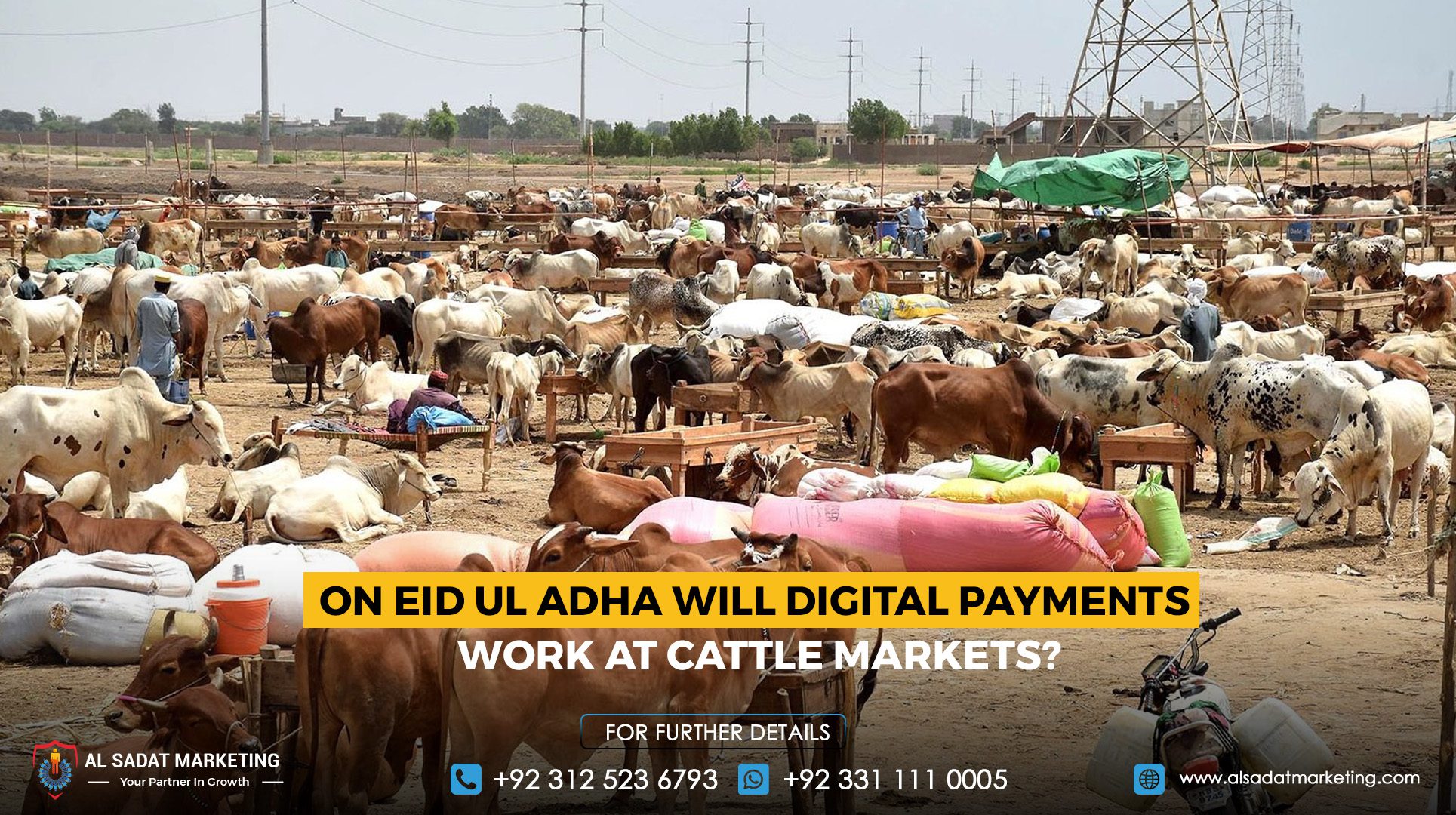
The head of the Electronic Payment Services Committee in the Libyan government, Maanem Al-Sayti, announced that accepting electronic payment in Eid Al-Adha livestock markets is mandatory for all merchants and sellers, with violators facing financial penalties and potential referral to public prosecutors. The move comes as part of Libya's broader digital transformation strategy to address the chronic liquidity crisis that has plagued the country for years.
Speaking on the "Six Questions" program broadcast on Libya Al-Hadath channel, Al-Sayti explained that preparations for Eid Al-Adha began early in coordination with relevant authorities. He cited Decision No. 206, which obligates both public and private entities to accept electronic payment services. The committee has been working in full cooperation with operating banks to facilitate and upgrade technology solutions that directly address the liquidity shortage and market challenges.
Al-Sayti confirmed that commercial and service shops are now fully operating with electronic payment systems. He noted that coordination with the Municipal Guard Command has identified designated livestock sale sites across all areas under the Libyan government's jurisdiction. The National Development Agency has been tasked with equipping these sites with full facilities including restrooms, round-the-clock lighting, and secured locations for Municipal Guard personnel who play a vital role in maintaining food security.
Al-Sayti extended his gratitude to the boards of directors and general managers of Libyan public banks for offering multiple loan facilities and facilitations to citizens without commissions or usury, in the form of interest-free loans provided on the margins of salary for bank clients. He emphasized that the Libyan State is committed to covering all categories, noting that those not receiving direct salaries fall under the Social Security Fund or the Solidarity Fund, and these groups are targeted within the banking measures.
He also pointed out that the Central Bank of Libya's Benghazi branch is strongly moving toward phasing out paper currency, but stressed that the transition must be smooth and well-studied while resolving technical issues and developing the performance of electronic service transactions. Banks are reportedly improving service quality daily, and all sectors are targeted for electronic payment integration.
Al-Sayti warned that any trader or livestock seller who refuses to accept electronic payment will be subject to penalties enforced by the Municipal Guard, which may include financial fines and referral to prosecution offices. He assured citizens of several bank proposals aimed at facilitating transactions and reducing burdens, affirming that a spirit of national responsibility exists among managers and leaders in financial institutions.
Looking ahead, Al-Sayti revealed that the next phase following Eid Al-Adha will target the expatriate workforce of all nationalities residing in Libya, ensuring their rights in financial transactions are protected. He reiterated the banks' genuine desire to develop these services by engaging specialized international companies to deliver the highest quality electronic payment solutions, signaling a new chapter in Libya's financial infrastructure modernization.