
مرتبة هوائية للمقعد الخلفي v2
وفر 7%! اشترِ مرتبة هوائية للمقعد الخلفي v2 بسعر 405.12 د.ل فقط في ليبيا. متوفر
🛒 تسوق الآن Libya Press
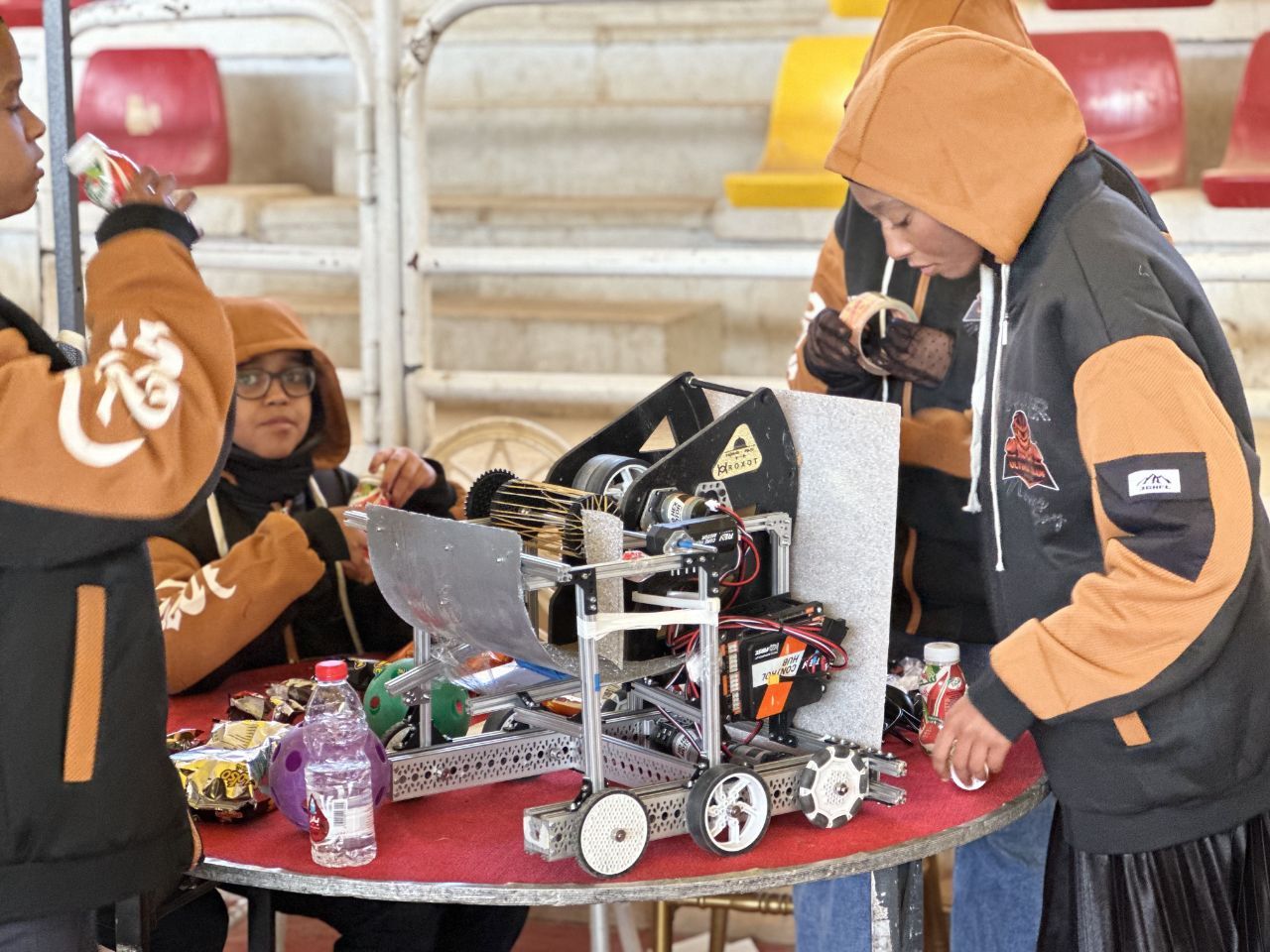
The AMLY Robotics Off-Season Competition has emerged as a landmark event for young Libyan engineers, programmers, and designers, bringing together teams from across the country in a high-energy showcase of technical skill and creative problem-solving. Held as part of the broader LYBOTICS initiative, the competition provided a platform for students to apply classroom knowledge in a real-world environment, tackling complex robotics challenges that tested their engineering, programming, and design abilities to the limit.
The event drew participants from multiple cities, reflecting a growing movement to position Libya at the forefront of STEM education in North Africa. For many of the young competitors, this was their first experience in a structured robotics competition — an opportunity that organizers say could shape the future of technology education in the country.
The AMLY Robotics Off-Season Competition was more than a technical contest. It was a statement of unity. In a country that has faced years of division, the event brought together students from different regions, backgrounds, and schools under one roof, united by a shared passion for robotics and innovation. The competition format required teams to design, build, and program medium-sized robots capable of completing specific tasks — a challenge that demanded collaboration, critical thinking, and resilience.
Organizers emphasized that the competition was designed to mirror the structure of internationally recognized programs such as the FIRST Tech Challenge and FIRST Robotics Competition, which have inspired millions of students worldwide. By adopting a similar framework, the AMLY Robotics team aimed to give Libyan youth access to the same caliber of technical experience available to their peers in the United States, Europe, and Asia.
For many participants, the competition was an opportunity to apply engineering, programming, and design skills in a real-world environment. Students described the intensity of the experience — the pressure of a ticking clock, the frustration of a malfunctioning sensor, and the exhilaration of watching a self-built robot complete its first successful task.
One team mentor, speaking on the sidelines of the event, captured the broader significance: "These young people are not just building robots. They are building the future of this country. Every line of code they write, every gear they install, is a step toward something bigger than any single competition." The sentiment echoed across the venue, where parents, teachers, and local officials watched with visible pride as students presented their creations.
The AMLY Robotics Off-Season Competition arrives at a critical moment for Libya. With the country's youth population growing and unemployment remaining a persistent challenge, initiatives that equip young people with marketable technical skills are more important than ever. Robotics and STEM education represent a pathway to economic diversification — a priority that Libyan policymakers and international development organizations have identified as essential for long-term stability.
According to the World Bank, Libya's economy remains heavily dependent on oil revenues, leaving young graduates vulnerable to fluctuations in global energy markets. Programs like LYBOTICS offer an alternative narrative — one in which Libyan youth are not merely job seekers but innovators and creators capable of competing on the global stage. The competition also signals to international technology communities that Libya is investing in its next generation of engineers and entrepreneurs.
The success of the off-season competition has fueled ambitions for an even larger main-season event, with organizers exploring partnerships with international robotics organizations and Libyan universities. Plans are underway to expand training workshops, establish regional robotics hubs, and create scholarship pathways for top-performing students to pursue advanced studies in engineering and computer science.
The LYBOTICS team has also signaled its commitment to inclusivity, with dedicated outreach efforts to encourage female participation in robotics — a field where women remain underrepresented across the Middle East and North Africa. Early indicators suggest that the next competition cycle will see significantly higher enrollment from young women, a development that could reshape the demographics of Libya's emerging tech sector.
The AMLY Robotics Off-Season Competition is proof that Libya's greatest resource is not beneath its soil but in the minds of its young people. As the LYBOTICS initiative grows, it carries with it the potential to transform not just individual lives but the trajectory of an entire nation. For the students who spent weeks designing, building, and debugging their robots, the competition was a beginning — not an end. And for Libya, it is a reminder that innovation knows no borders.
Stay tuned to LibyaPress for continued coverage of the LYBOTICS initiative and the young Libyans shaping the future of technology in North Africa.
— LibyaPress / Tech Desk