
كريم الوجه بالكولاجين والذهب الخالص عيار 24
وفر 18%! اشترِ كريم الوجه بالكولاجين والذهب الخالص عيار 24 بسعر 176.26 د.ل فقط ف
🛒 تسوق الآن Libya Press
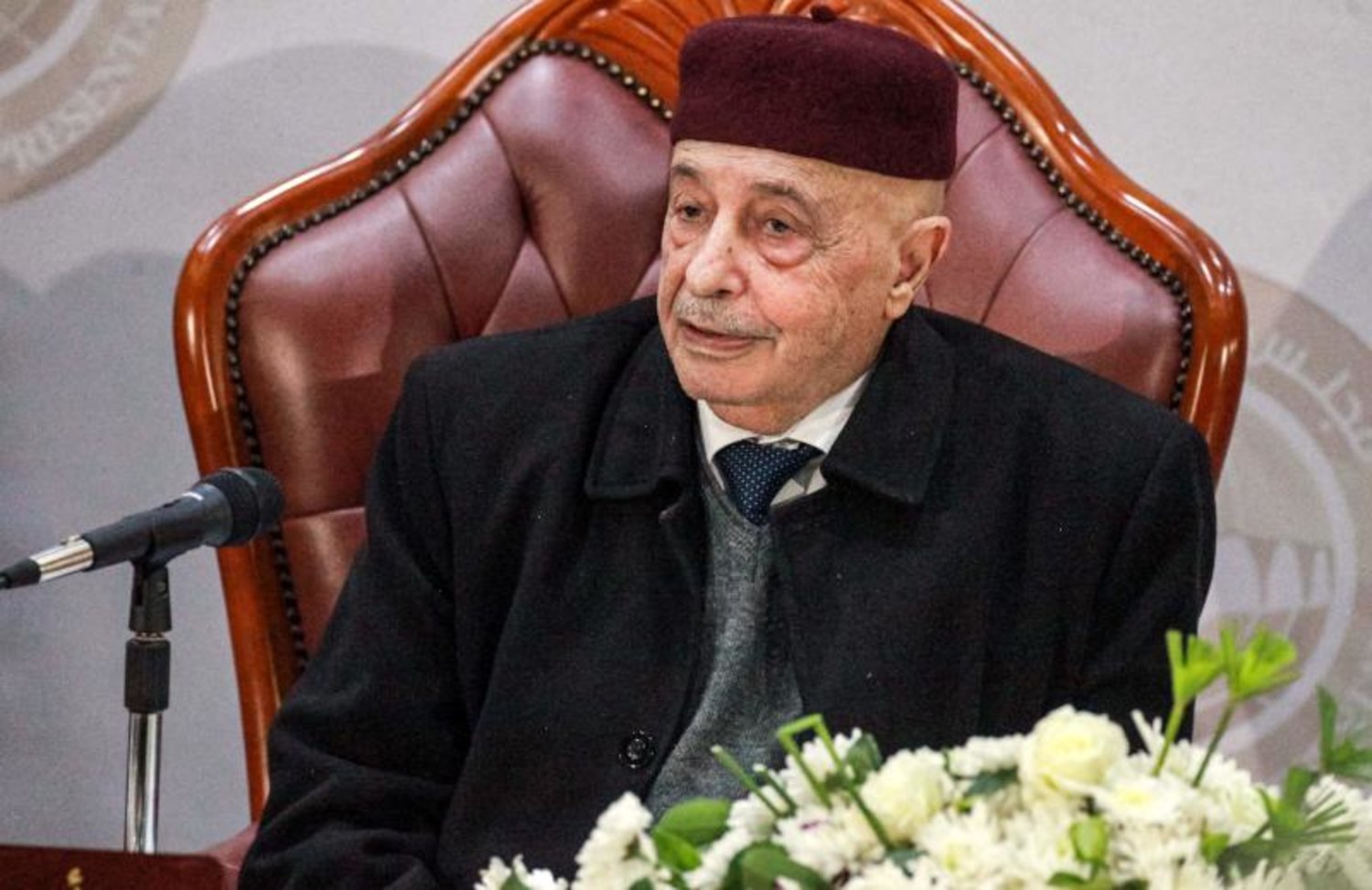
Libya's House of Representatives Speaker Aqila Saleh has launched a blistering attack on the Presidential Council's decision to replace the head of the General Intelligence Authority, describing the move as illegal and warning it risks deepening institutional divisions across the country.
In an interview with the Al-Youm platform, Saleh said the Presidential Council had replaced intelligence chief Hussein Mohammed al-A'ib in an unlawful manner, arguing the process mirrored the controversial handling of the Central Bank of Libya governor appointment — a crisis that paralyzed the country's financial institutions for months.
"This procedure is no different from the way the Central Bank governor file was managed," Saleh said. "That approach created division, and this one will do the same."
At the heart of the dispute is Presidential Council Decision No. 8 of 2026, issued in late June, which relieved Hussein Mohammed al-A'ib from his post and appointed Abdulmajid Miliqta as his successor. The decision was signed by Presidential Council President Mohamed al-Menfi.
Saleh asserted that the Constitutional Declaration and the Libyan Political Agreement empower the House of Representatives — not the Presidential Council acting alone — to approve the intelligence chief appointment. He cited the Geneva Agreement, which he said grants this authority only when the Council acts as a collective body.
"The Geneva Agreement stipulated that the head of the Authority be nominated by the President of the Presidential Council, provided that the House of Representatives does not object," Saleh explained. "This means there must be a role for Parliament."
The Speaker further criticized Miliqta's selection, pointing out that the appointee has no background in security or intelligence work. Saleh argued that leading an institution staffed by experienced intelligence professionals requires a candidate with a proven track record in the field.
"Choosing a civilian figure raises questions about their ability to manage a sensitive security institution," Saleh said. "The head of the agency must be capable of handling complex security files and leading specialized personnel."
According to Saleh, the decision was not unanimous. He revealed that President al-Menfi and one of his deputies made the decision jointly, while Deputy Abdullah al-Lafi did not consent. The House of Representatives not only failed to ratify the decision but formally declared its objection.
"President al-Menfi and one of his deputies held a meeting and issued a decision to dismiss the head of the Intelligence Authority and appoint a new figure from outside the institution," Saleh said. "This violates the political agreement."
Saleh drew direct comparisons between the intelligence dispute and the 2025 crisis over the Central Bank of Libya governorship, which saw rival appointments trigger a severe liquidity crunch. He warned that the same pattern — unilateral decisions bypassing agreed institutional frameworks — was repeating itself.
"They are opening the door to division instead of unifying state institutions," Saleh charged.
The Speaker addressed Hussein al-A'ib directly, urging him to continue performing his duties despite the Council's decision — effectively creating a parallel chain of command and raising the stakes in one of Libya's most serious institutional standoffs.
The standoff comes at a time when Libya's political environment remains deeply fragmented. Security institutions, already strained by years of division and militia influence, risk becoming the latest battleground in the struggle for political authority. Analysts warn that an unresolved leadership dispute could hamper counterterrorism efforts, border security, and intelligence-sharing with international partners.
Neither the Presidential Council nor Abdulmajid Miliqta have issued formal responses to Saleh's statements at the time of reporting.
— Libya Press / Politics Desk