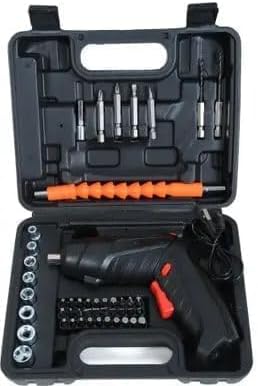
شنطة مفك كهربائي
وفر 20%! اشترِ شنطة مفك كهربائي بسعر 225 د.ل فقط في ليبيا. متوفر حالياً، الدفع ع
🛒 تسوق الآن Libya Press
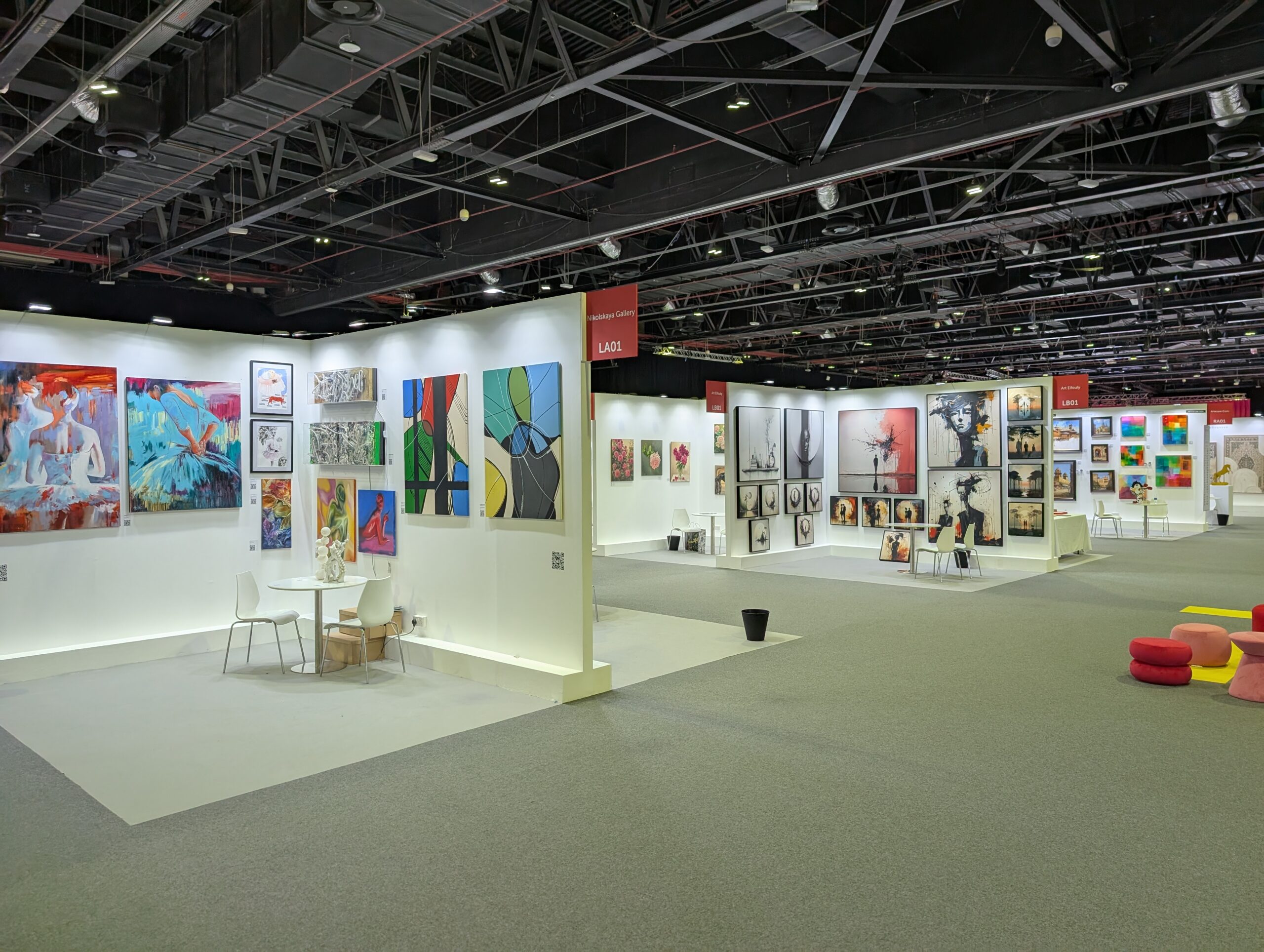
The 20th edition of Art Dubai opened its doors on May 15, 2026, at Madinat Jumeirah, bringing together 55 galleries, more than 500 participants, and over 300 artists from across the globe. But this year's milestone edition unfolded against a dramatically different backdrop — one shaped by escalating regional conflict, travel disruptions, and a palpable sense of uncertainty across the Gulf. What emerged was a quieter, more reflective fair that prioritized dialogue and connection over spectacle, raising a profound question: what role can culture play when the world outside feels increasingly unstable?
Art Dubai's 20th edition marked a significant departure from its original schedule. The fair, initially set for April 2026, was postponed to May 15–17 amid heightened tensions between Iran and Israel that rattled the entire region. Despite the challenges, organizers chose to proceed, adopting a scaled-back and reimagined format that notably included free public entry — a historic shift for an event long associated with collectors, institutions, and industry insiders.
The numbers themselves tell a story of resilience. From an inaugural roster of around 40 galleries in 2007, Art Dubai has grown into a platform that has brought together galleries and artists from more than 50 countries over two decades. This year's edition featured nearly a dozen artists from India alone, including Sudarshan Shetty, Shilpa Gupta, Mithu Sen, and Vikram Divecha, whose works engaged with themes of memory, identity, migration, language, and belonging. The fair also showcased artists from West Asia, South Asia, Africa, and Latin America, reinforcing its role as a cultural crossroads.
Alexie Glass-Kantor, executive director of curatorial at Art Dubai, framed the edition's significance in broader terms. "In times of crisis, culture becomes something people turn to for renewal, healing and connection," she said. Her words resonated throughout the fairgrounds, where visitors moved quietly between installations, pausing to photograph sculptural works and standing longer than usual inside sound-filled rooms designed for reflection.
Dunja Gottweis, fair director of Art Dubai, emphasized the symbolic importance of proceeding despite regional instability. "This edition is a testament to what 20 years of building can achieve," she said. "The heartbeat of this year is the belief that coming together still matters — especially now." Benedetta Ghione, executive director of the Art Dubai group, noted that championing historically underrepresented voices has been central to the fair's identity from the beginning, shaping a platform that is both regional and global.
The fair has not been without controversy in its two-decade history. In 2012, reports surrounding the removal of a politically sensitive work by Iranian artist Khosrow Hassanzadeh sparked debate around censorship and political expression in the region. This year's edition, while less commercially flamboyant, carried its own weight of navigating complex geopolitical realities while maintaining artistic integrity and open dialogue.
Looking ahead, Art Dubai's evolution from a commercial art fair into one of West Asia's most influential cultural institutions offers a model for how cultural platforms can adapt and endure. As the region continues to confront political and security challenges, the fair's commitment to free public entry and inclusive programming signals a belief that access to culture is not a luxury but a necessity. The 20th edition may have been quieter, but its message was unmistakable: in uncertain times, the act of gathering to experience art becomes its own form of resilience.
As Art Dubai enters its third decade, it stands not only as a barometer of the Gulf's cultural ambitions but as a testament to the enduring power of art to connect, challenge, and heal — even, and perhaps especially, in the most difficult of times.