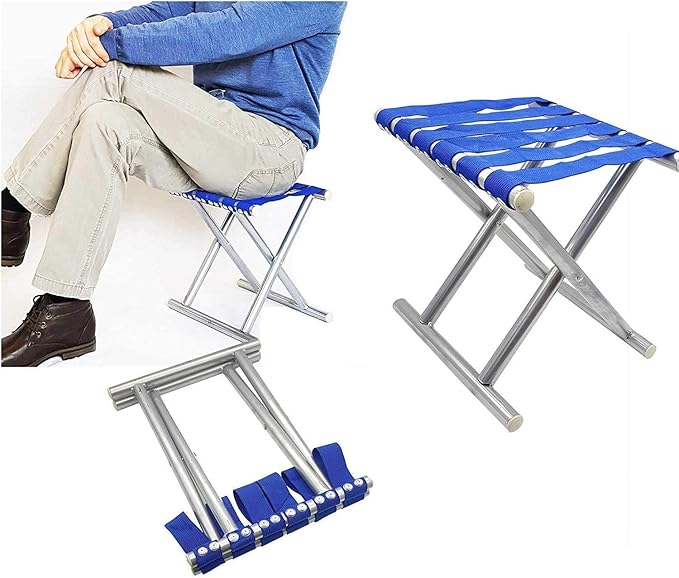
كرسي تخييم قابل للطي يسمح بمرور الهواء
وفر 6%! اشترِ كرسي تخييم قابل للطي يسمح بمرور الهواء بسعر 189.6 د.ل فقط في ليبيا
🛒 تسوق الآن Libya Press
Libya's Second Deputy Speaker of the House of Representatives, Misbah Doma, met with Prime Minister Osama Hamada of the Libyan Government on Monday, January 6, 2025, at the headquarters of the House of Representatives in a high-level political consultation aimed at advancing the stalled political process. The meeting, confirmed by official sources at the parliament, focused on the latest legislative developments, government priorities, and the urgent need to resolve the country's ongoing institutional crisis.
The talks took place at the House of Representatives headquarters, where Doma and Hamada discussed pressing national issues including budget negotiations, security arrangements, and the roadmap toward long-delayed national elections. Both sides emphasized the importance of institutional cooperation between the legislative and executive branches to ensure stability and deliver services to Libyan citizens who have endured more than a decade of fragmentation.
According to a statement released by the parliament's media office, the two leaders reviewed the latest draft laws under consideration and discussed mechanisms for accelerating the political transition framework. The meeting lasted several hours and was attended by senior advisors from both sides.
Libya has remained deeply divided since the 2011 revolution, with competing governments and parliaments vying for legitimacy. The House of Representatives, based in eastern Libya, and the Government of National Unity in Tripoli have struggled to coordinate on key governance issues, from oil revenue distribution to security sector unification.
The meeting between Doma and Hamada comes amid growing international pressure from the United Nations Support Mission in Libya and key Western capitals for Libyan leaders to resolve the political impasse. Recent weeks have seen intensified diplomatic activity, with UN Special Representative Abdoulaye Bathily urging all parties to prioritize national interest over factional gains.
The meeting signals a potential thaw in relations between Libya's legislative and executive branches, which have often operated in parallel rather than in coordination. Analysts view the engagement as a positive step toward unifying state institutions, a prerequisite for holding credible national elections and addressing the economic crisis affecting millions of Libyans.
Libyan citizens have expressed cautious optimism on social media, with many calling for concrete outcomes rather than symbolic gestures. The cost of living, deteriorating infrastructure, and fragmented public services remain the most pressing concerns for ordinary people across the country.
Both parties indicated that follow-up meetings would be scheduled to continue discussions on outstanding issues. Observers expect that the dialogue could pave the way for a unified budget agreement and progress on election legislation, two critical milestones that the international community has long demanded.
For Libya's 7 million citizens, the stakes could not be higher. A functioning political process means better roads, hospitals, schools, and economic opportunities. The world is watching — and so are the Libyan people who deserve a government that works for them.
— LibyaPress / Politics Desk
===END_ENGLISH===