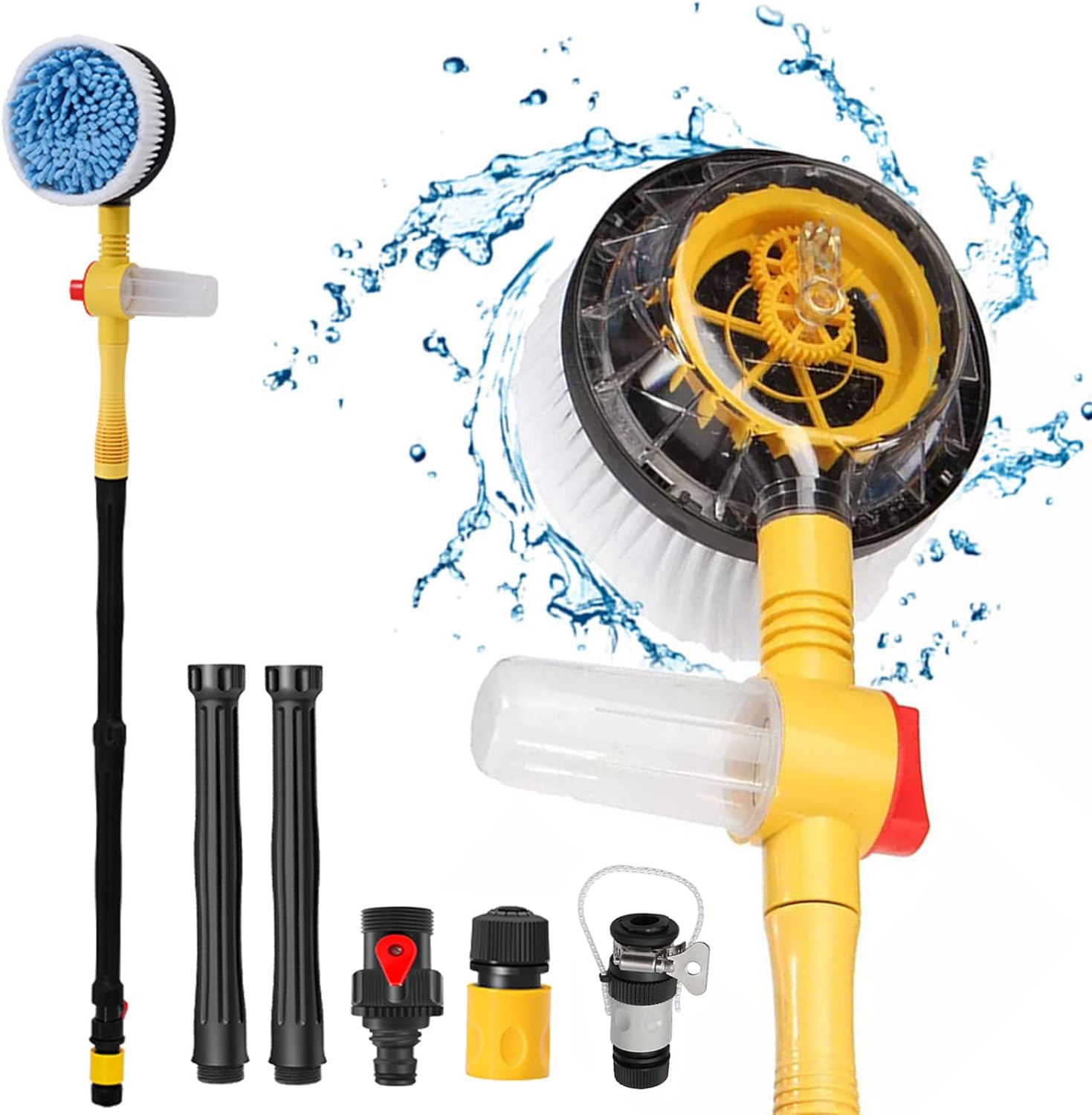
فرشاة غسيل سيارات أوتوماتيكية دوارة بزاوية 360 درجة
وفر 9%! اشترِ فرشاة غسيل سيارات أوتوماتيكية دوارة بزاوية 360 درجة بسعر 274.95 د.
🛒 تسوق الآن Libya Press
Billions of dollars are hemorrhaging from Libya's budget each year due to fuel smuggling, a crisis that extends far beyond the energy sector. Every increase in the import bill means additional depletion of public resources and a reduction in government spending on essential services.
The scale of the losses is staggering. According to estimates cited by the Center for Strategic Studies (SENTRE), Libya loses approximately 6.7 billion dollars annually to fuel smuggling. Cumulative losses over the past three years have exceeded 20 billion dollars, a figure that underscores the magnitude of the threat to the national economy.
Fuel smuggling has evolved into a serious national crisis, with costs estimated at around 6.7 billion dollars per year. Despite stable oil production, the financial haemorrhage continues unabated. The Libyan Oil Corporation confirmed that in a single month this year, with high oil prices boosting revenues to four billion dollars, a full billion was spent solely on fuel imports — money that smugglers are diverting abroad.
The crisis highlights a fundamental flaw: subsidized fuel, intended to support Libyan citizens, is instead being siphoned off by criminal networks with connections to conflicting political factions. This represents what experts call the "black money artery" serving the interests of warring parties.
Recent investigations have brought the issue back into sharp focus. New revelations show fuel smuggling has transformed into a full-blown national emergency. The crisis has reignited debate over fuel subsidies in Libya, with policymakers divided on whether the current system enables or combats smuggling networks.
Experts warn that the 6.7 billion dollar annual loss figure likely underestimates the true scale, as tracking smuggling routes across Libya's vast borders remains extremely challenging. The lack of a unified government has created security vacuums that smugglers exploit with near impunity.
Economic analysts describe fuel smuggling as the single largest drain on Libya's public finances. "Every dollar lost to smuggling is a dollar that could have gone to hospitals, schools, or infrastructure," one Tripoli-based economist noted. The depletion of general resources forces the government to cut public expenditure, directly impacting citizens' quality of life.
The subsidy system, designed to ease the burden on ordinary Libyans, has become a mechanism for enriching criminal networks. Reform efforts have repeatedly stalled due to political fragmentation and the vested interests of armed groups controlling key smuggling routes.
For ordinary Libyans, the consequences are felt daily. Fuel shortages at stations, long queues, and the rising cost of living all trace back to smuggling networks operating with minimal oversight. The depletion of public resources means fewer funds available for healthcare, education, and basic services that citizens desperately need.
A stable Libya requires dismantling the smuggling networks that drain its wealth. Without addressing this crisis, economic recovery and political reconciliation will remain elusive goals.
Reforming Libya's fuel subsidy system and securing borders are essential first steps toward stopping the haemorrhage. International partners, including organizations focused on economic development, are urging Libyan authorities to implement transparent monitoring systems and strengthen customs enforcement.
The path forward demands political will that has been absent for over a decade. But with mounting public pressure and billions at stake, the cost of inaction may finally outweigh the interests of those who profit from the status quo.
— LibyaPress / Economy Desk
===END_ENGLISH===