
ممحاة إزالة الشعر
وفر 18%! اشترِ ممحاة إزالة الشعر بسعر 144 د.ل فقط في ليبيا. متوفر حالياً، الدفع
🛒 تسوق الآن Libya Press
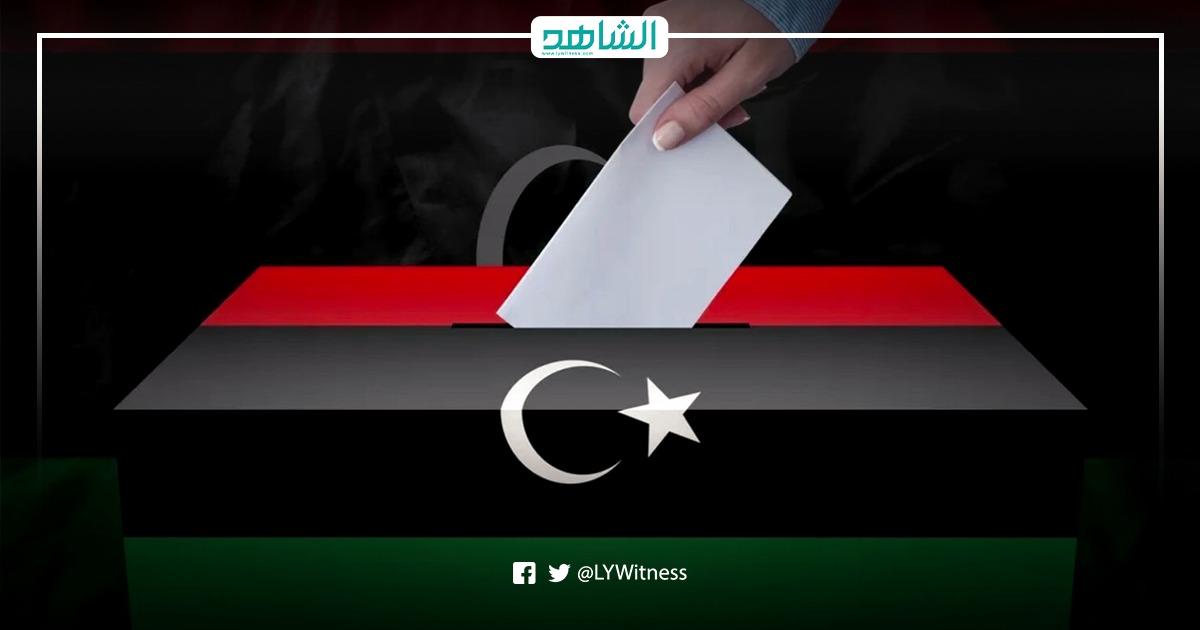
There is no specific date for holding elections in Libya at this time, according to Massad Bass, the US President's Senior Adviser for Arab and African Affairs. Bass made the remarks during his visit to Tripoli, where he discussed the ongoing political impasse with senior Libyan officials.
The American adviser's statement underscores the deep uncertainty surrounding Libya's electoral roadmap — a process that has seen multiple postponements since 2014. Bass's assessment suggests that international efforts to stabilize the country through democratic elections remain stalled.
According to reports from Anadolu Agency, Bass met with officials from the Presidential Council and the High State Council in Tripoli. The discussions focused on the current political landscape and ways forward, but no concrete timeline emerged from the meetings.
Libya's electoral process has been a central point of contention among rival political bodies. The Presidential Council recently announced an agreement with the House of Representatives and the High State Council regarding the electoral process, according to Al Jazeera reports circulated on social media. However, the specific date for elections — previously rumored to be February 17, 2027 — remains unconfirmed.
The lack of consensus on electoral laws and the constitutional framework continues to be the primary obstacle. Both the House of Representatives and the High State Council have yet to agree on the legal basis for elections, a prerequisite that international observers say must be resolved before any vote can take place.
Libyan political analyst Abdullah Al-Debani offered a critical perspective, stating that depending exclusively on the UN-led path could lead Libya back to the starting point and the current state of division. His comments reflect a growing sentiment among Libyan intellectuals that external mediation alone cannot resolve the country's deep-rooted governance crisis without genuine domestic political will.
Al-Debani's warning highlights a fundamental tension in Libya's transition: the gap between internationally brokered agreements and the political realities on the ground, where rival institutions continue to compete for legitimacy and power.
For ordinary Libyans, the continued delay in elections means another year without a unified government capable of delivering basic services. The country remains split between competing administrations, with the Government of National Unity in Tripoli and the rival government in eastern Libya. This division has direct consequences for infrastructure, healthcare, and economic development across the nation.
The absence of elections also perpetuates the legitimacy crisis that has plagued Libya since 2014. Without a democratically elected government, international recognition remains fragmented, and the country's vast oil wealth continues to be managed without full parliamentary oversight.
The path forward requires agreement on electoral laws between the House of Representatives and the High State Council — a step that both institutions have failed to achieve despite years of negotiations. International partners, including the United States and the United Nations, continue to urge Libyan leaders to prioritize national interest over personal and institutional gains.
As Bass's visit demonstrates, international attention on Libya remains active. However, the ultimate responsibility lies with Libyan political actors to bridge their differences and set a credible election timeline. The coming weeks will be critical in determining whether the recent agreements translate into concrete action or join the long list of unfulfilled promises.
— LibyaPress / Politics Desk
===END_ENGLISH===