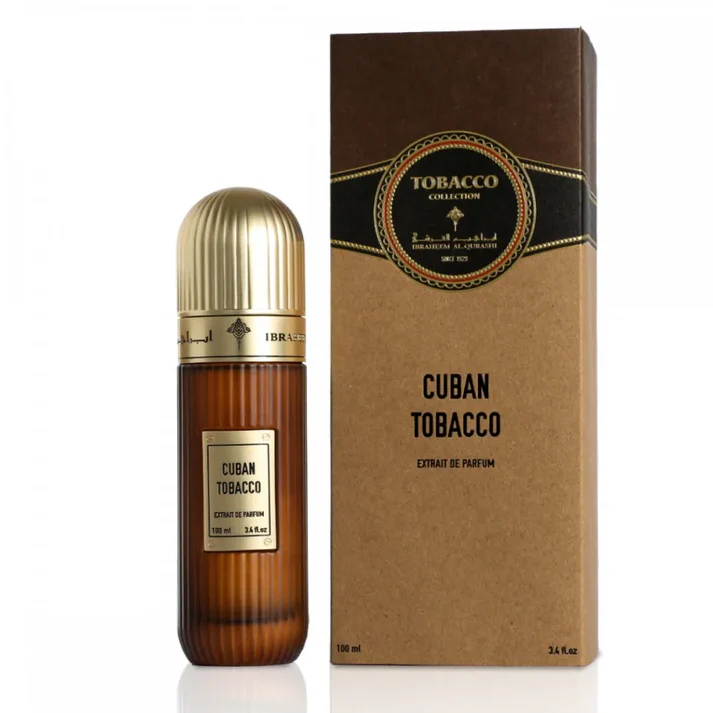
عطر التبغ العربي 100 مل
وفر 46%! اشترِ عطر التبغ العربي 100 مل بسعر 213.89 د.ل فقط في ليبيا. متوفر حاليا
🛒 تسوق الآن Libya Press
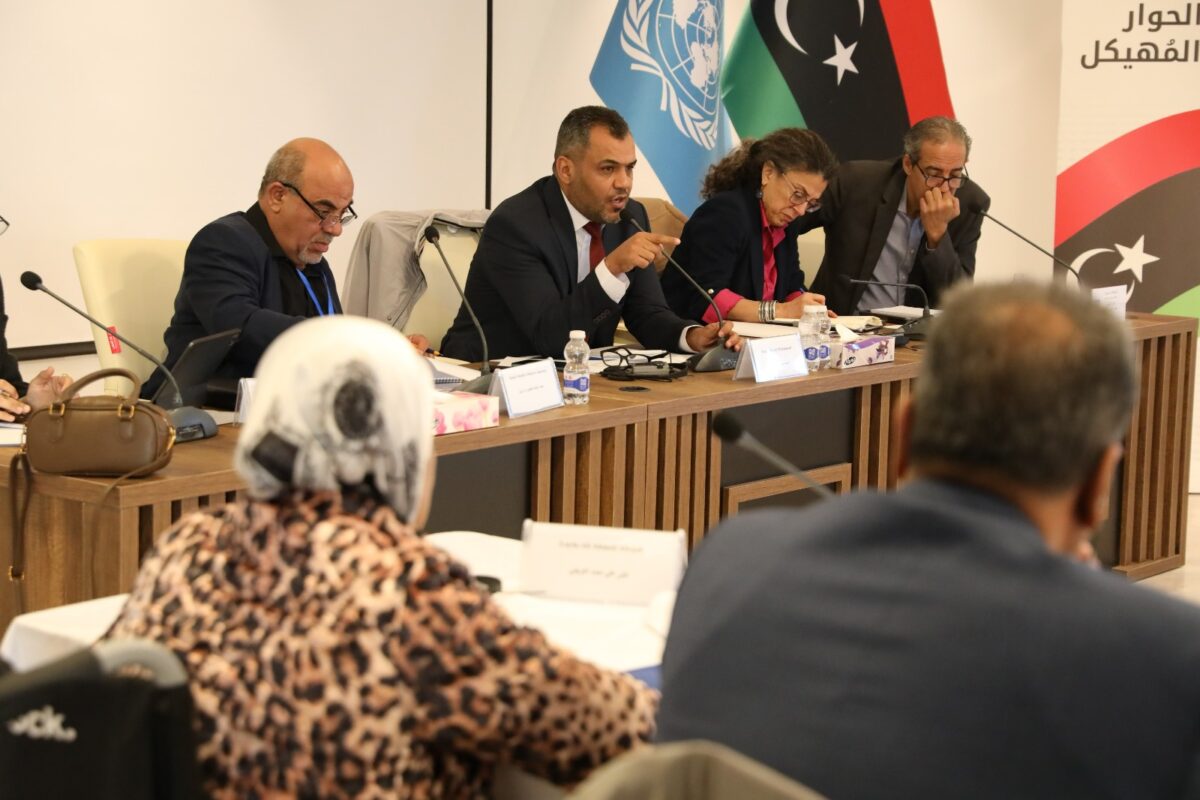
On June 24, 2026, the United Nations Support Mission in Libya announced that participants in the fourth round of the 4+4 Mini Dialogue Committee had reached a consensus on the presidential election law. The breakthrough came during a pivotal meeting held in Tunis, marking the most significant step forward in Libya's stalled electoral process since the previous rounds of negotiations began earlier this year.
The announcement represents a critical milestone for Libya's political transition. After years of institutional deadlock and competing claims to legitimacy, the agreement on a presidential election framework brings the country one step closer to ending the cycle of parallel governments and fragmented authority that has defined Libyan politics since 2014.
The UN Support Mission in Libya confirmed that discussions took place in what it described as a "positive and constructive atmosphere." The 4+4 Mini Dialogue Committee completed previous understandings regarding the parliamentary election law and the formation of the National High Elections Commission. Most electoral matters within the first two stages of the roadmap have been finalized, with the mission noting that the parties are approaching the completion of all necessary agreements on the electoral track.
The consensus covers the legal framework governing presidential elections, a file that had remained one of the most contentious obstacles in Libya's political negotiations. Disputes over candidacy requirements, the relationship between executive and legislative powers, and the sequencing of presidential and parliamentary votes had repeatedly derailed previous attempts to move forward.
The UN Support Mission in Libya has emphasized that its role is to facilitate Libyan-led solutions rather than impose external frameworks. The structured dialogue process, which produced its final recommendations on June 7, included approximately 120 formal members. However, the mission noted that thousands of additional Libyans contributed their ideas through broader consultation processes, with approximately 6,000 people sharing their views directly with the mission.
This inclusive approach has been central to building legitimacy around the electoral framework. By combining the focused negotiations of the 4+4 committee with wider public consultation, the mission sought to ensure that any agreement would carry broad-based support across Libya's diverse political landscape.
The breakthrough comes after a prolonged period of political stagnation that left Libya trapped between divided institutions and suspended political processes. For ordinary Libyans, the prospect of national elections represents the best hope for unifying state institutions, improving governance, and addressing the daily challenges of economic instability, deteriorating public services, and security fragmentation.
The international community has closely followed the developments in Tunis. Previous attempts to hold elections in Libya have failed at the final hurdle, often due to disagreements over candidate eligibility or the legal framework itself. The current consensus, if implemented successfully, could finally provide a credible pathway to a unified government with democratic legitimacy.
The completion of the electoral legal framework is a necessary but not sufficient condition for successful elections. The coming weeks will focus on finalizing the remaining details of the roadmap, establishing the operational capacity of the National High Elections Commission, and building the security and logistical infrastructure needed to conduct nationwide polls.
The UN Support Mission has expressed its continued commitment to supporting Libyan efforts to achieve institutional unity. The mission has stated that it supports any consensus that contributes to unifying Libyan institutions, whether it comes through the UN-facilitated process or any other credible channel. For Libya, the path from agreement to implementation will test the political will of all parties involved.
— LibyaPress / Politics Desk