سكاكين الطبخ
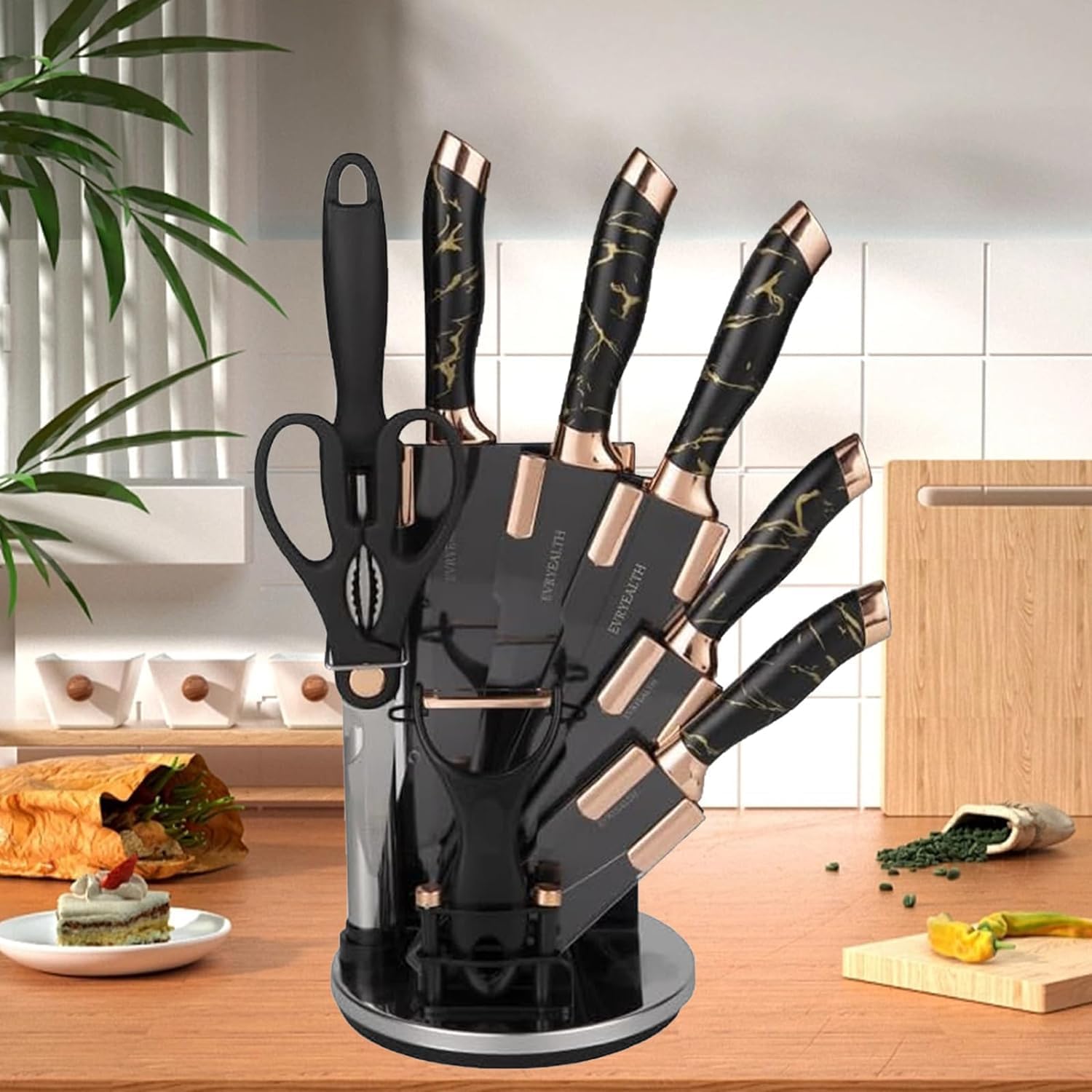
وفر 19%! اشترِ سكاكين الطبخ بسعر 274.56 د.ل فقط في ليبيا. متوفر حالياً، الدفع عن
🛒 تسوق الآن Libya Press
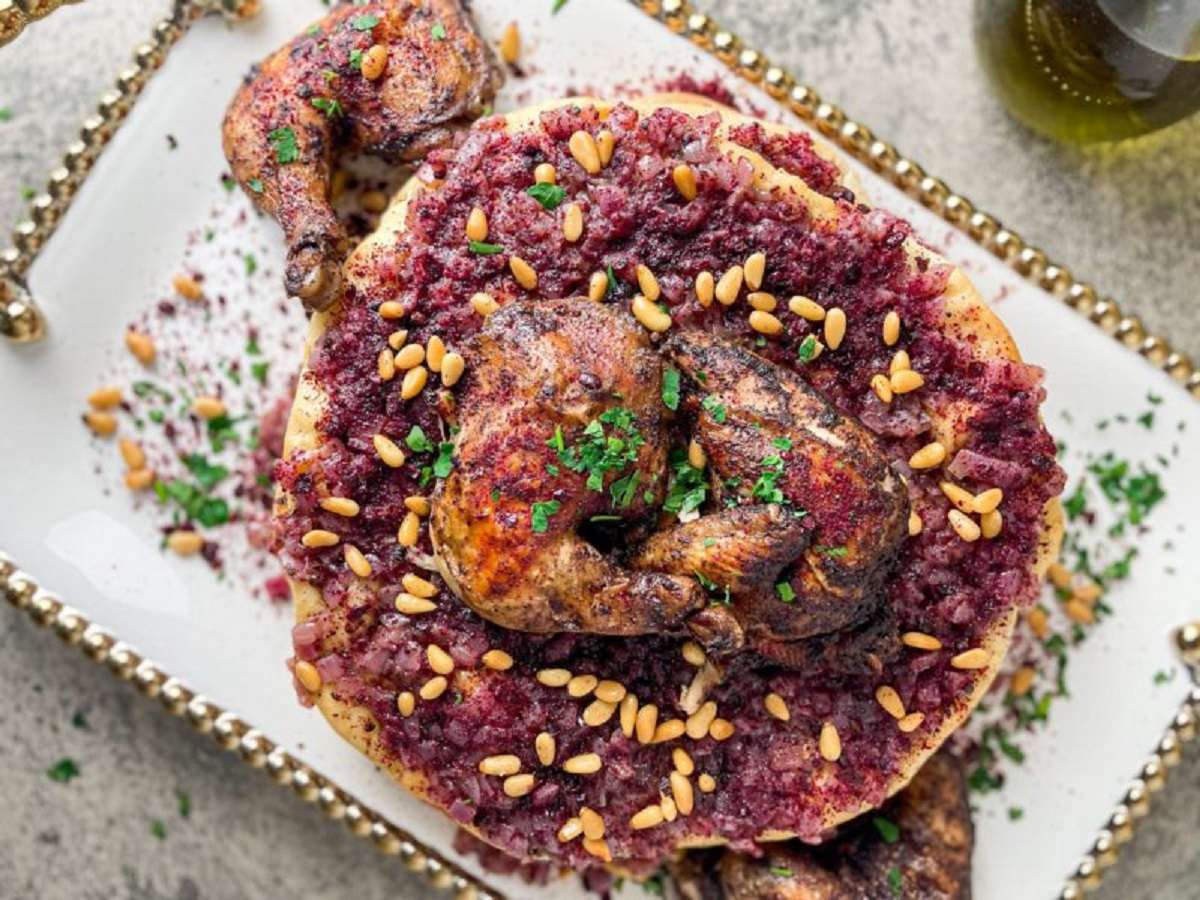
Palestinian musakhan — the sumac-spiced chicken and caramelized onion dish served over taboon bread — has become one of the most searched traditional recipes across the Arab world this week, with home cooks from Tripoli to Amman seeking the authentic technique that separates an ordinary version from a truly memorable one.
Musakhan, whose name derives from the Arabic root meaning "heated" or "warmed," is far more than a recipe — it is a cultural institution. The dish centers on three non-negotiable elements: generous amounts of sumac, deeply caramelized onions, and high-quality olive oil. Palestinian culinary tradition holds that the quality of these three ingredients determines 90 percent of the final result.
According to Palestinian cooking experts, the dish originated in the villages of the West Bank, where families would prepare it during olive harvest season in October and November. The recipe has remained remarkably consistent for centuries, with each generation adding subtle refinements while preserving the core technique.
The authentic Palestinian method begins with preparing the onion-sumac mixture. Slice 1.5 kilograms of onions into thin rounds and cook them slowly in olive oil with the sumac, salt, black pepper, and mixed spices. This process cannot be shortcut — rushing the onions produces a bitter rather than sweet result.
Meanwhile, season the chicken with vinegar, cardamom, and additional sumac, then roast it in the oven at 200 degrees Celsius for approximately 45 minutes until golden. Layer the taboon bread in a wide serving platter, spread the sumac-onion mixture generously over the bread, place the roasted chicken on top, and finish with toasted pine nuts or almonds.
The growing interest in Palestinian musakhan among Libyan cooks reflects a broader trend of rediscovering traditional Arab cuisine. Libyan kitchens share many foundational ingredients with Palestinian cooking — olive oil, sumac, onions, and slow-cooked proteins — making musakhan a natural fit for Libyan family tables.
Libyan food bloggers have noted that the dish pairs exceptionally well with Libyan salads and pickles, creating a fusion that honors both traditions. The simplicity of the technique — requiring no specialized equipment — makes it accessible to home cooks at every skill level.
Musakhan carries deep cultural meaning in Palestinian heritage. Traditionally, it is prepared communally, with multiple family members participating in the onion preparation and assembly. The dish is often served at gatherings, celebrations, and as an expression of hospitality and generosity.
For Palestinians, musakhan represents connection to the land — the olive oil from ancestral trees, the sumac harvested from wild bushes, the bread baked in traditional ovens. This cultural resonance has made the dish a symbol of Palestinian identity worldwide, and its growing popularity across North Africa strengthens the bonds of shared Arab culinary heritage.
With just a few quality ingredients and patience for the slow onion caramelization, any home cook can recreate this iconic Palestinian dish. The key is respecting the traditional proportions — generous sumac, abundant olive oil, and unhurried cooking. Serve it to your family and experience why this centuries-old recipe continues to captivate kitchens across the Arab world.
— LibyaPress / Women's Desk
===END_ENGLISH===