
مجموعة مكياج متكاملة
وفر 7%! اشترِ مجموعة مكياج متكاملة بسعر 297.6 د.ل فقط في ليبيا. متوفر حالياً، ال
🛒 تسوق الآن Libya Press
Lebanese tabbouleh is not just a salad — it is a cultural institution. Unlike Western interpretations that treat bulgur as the main ingredient, authentic Lebanese tabbouleh celebrates fresh parsley as the star, with bulgur playing a supporting role. Mastering this dish requires understanding a handful of precise techniques that Lebanese home cooks have perfected over generations.
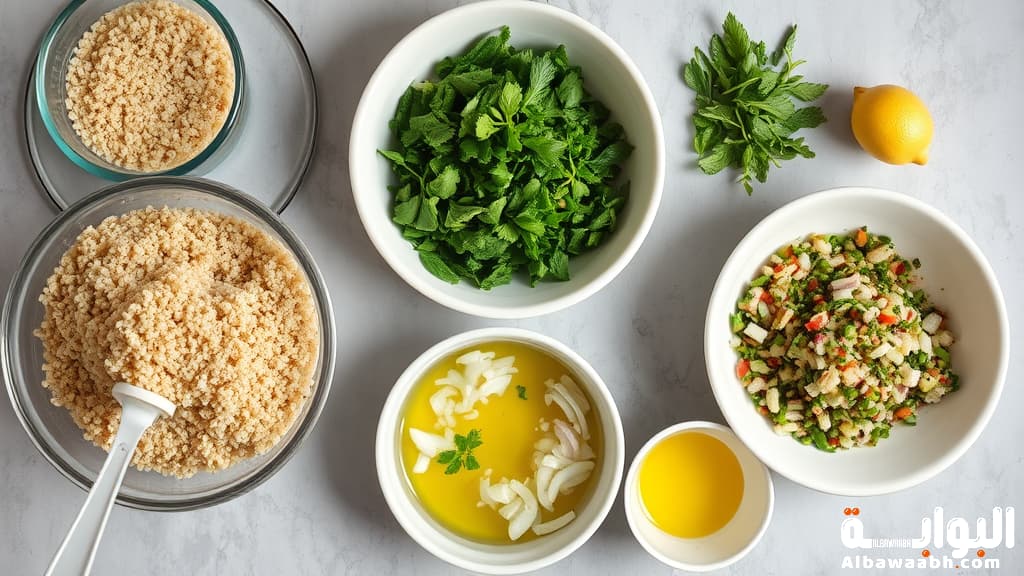
The defining characteristic of genuine Lebanese tabbouleh is its herb-to-grain ratio. In traditional recipes, parsley accounts for approximately 70% of the dish, while fine bulgur wheat makes up only about 15-20%. The remaining percentage comes from mint, tomato, onion, lemon juice, and extra virgin olive oil. This ratio is the single most important factor that separates authentic tabbouleh from imitations found in international restaurants.
Another critical distinction is the absence of cucumber. Authentic Lebanese tabbouleh never includes cucumber — a common addition in Syrian and other regional variations. Lebanese culinary tradition insists on parsley, fresh mint, finely diced tomato, and spring onion as the only vegetables.
Step 1: Wash the parsley in cold water with a pinch of salt. Shake off excess water and spread on a clean kitchen towel. Allow it to air-dry completely for at least 30 minutes. Any residual moisture will make the tabbouleh soggy.
Step 2: Remove thick parsley stems. Chop the leaves and thin stems by hand using a sharp knife. Food processors bruise the herbs and release bitter juices — hand chopping is non-negotiable for authentic texture.
Step 3: Soak the fine bulgur in fresh lemon juice for exactly 15 minutes. The grains should absorb the citrus and soften slightly while retaining a gentle bite. Drain any excess liquid.
Step 4: Dice tomatoes into uniform small cubes and remove seeds and watery pulp. This prevents the salad from becoming watery. Finely chop the mint and slice the spring onions.
Step 5: Combine all ingredients in a large mixing bowl. Add olive oil, remaining lemon juice, salt, and white pepper. Toss gently with your hands or two large spoons — never stir aggressively.
Step 6: Let the tabbouleh rest for 10-15 minutes before serving. This allows flavors to meld and the bulgur to fully absorb the dressing.
Lebanese home cooks emphasize several techniques that elevate tabbouleh from good to exceptional. First, always use flat-leaf (Italian) parsley rather than curly parsley — it has a more robust flavor and better texture. Second, the bulgur must be the finest grade available; coarse bulgur creates an unpleasant chewy texture that overwhelms the delicate herbs.
Temperature matters significantly. All ingredients should be at room temperature before mixing. Cold tomatoes from the refrigerator dull the flavors and prevent the olive oil from coating the herbs properly. Additionally, never prepare tabbouleh hours in advance — the parsley wilts and the tomatoes release water, destroying the fresh, vibrant character that defines this dish.
Some Lebanese families add a small amount of cinnamon or allspice — approximately one-quarter teaspoon — to create a subtle warmth that distinguishes their family recipe. This is a regional variation found in certain areas of Mount Lebanon and is entirely optional.
The most frequent error is using too much bulgur. When bulgur dominates, the dish becomes a grain salad rather than a herb salad. Another common mistake is chopping parsley too far in advance — cut parsley begins to oxidize and lose its bright green color within 30 minutes. Always chop last and serve promptly.
Using bottled lemon juice instead of fresh is another critical error. Bottled juice contains preservatives and lacks the bright acidity that fresh lemon provides. The dressing should taste distinctly lemony — the acidity is what keeps the parsley vibrant and the overall flavor profile balanced.
Tabbouleh has become a beloved dish across North Africa, including Libya, where it frequently appears on iftar tables during Ramadan and at family gatherings. Libyan home cooks can apply these Lebanese techniques to elevate their own tabbouleh preparation. The emphasis on fresh herbs, proper ingredient ratios, and hand-chopping techniques translates directly to Libyan culinary traditions that similarly value fresh, vibrant salads.
Many Libyan families already prepare herb-forward salads such as "salatat al-khadra" — applying these tabbouleh principles can bring new depth and authenticity to their kitchen repertoire. The dish also aligns perfectly with the growing interest in Mediterranean diet principles, which emphasize fresh vegetables, olive oil, and minimal processing.
Authentic Lebanese tabbouleh is one of the simplest yet most rewarding dishes to master. With fresh ingredients, proper technique, and attention to the herb-to-bulgur ratio, any home cook can create a salad that rivals the best Lebanese restaurants. Serve it alongside grilled meats, fresh pita bread, and hummus for a complete Mediterranean experience that brings the flavors of Beirut to your table.
— LibyaPress / Women's Lifestyle Desk
===END_ENGLISH===