
قطاعة خضراوات متعددة الوظائف 9 في 1 مع سلة تصفية
وفر 24%! اشترِ قطاعة خضراوات متعددة الوظائف 9 في 1 مع سلة تصفية بسعر 186.24 د.ل
🛒 تسوق الآن Libya Press
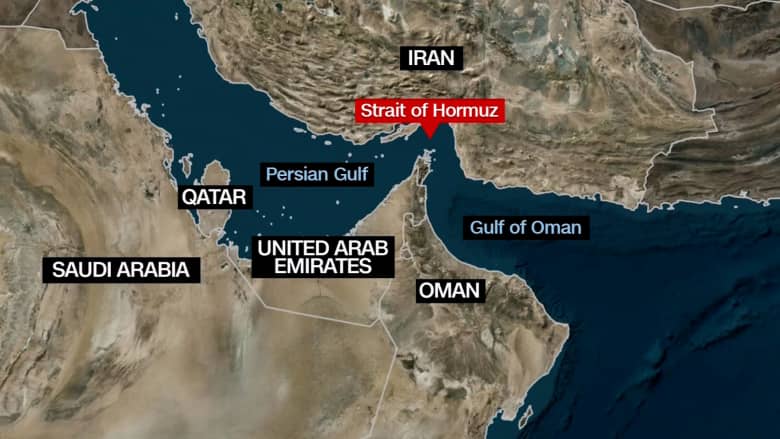
The Strait of Hormuz witnessed today (June 28, 2026) a dangerous military escalation after the United States announced the bombing of 10 Iranian military sites, according to Al Jazeera. The Iranian Revolutionary Guard responded within hours by targeting American military installations in Kuwait and Bahrain, plunging the Gulf region into its most volatile period in decades.
The escalation raised serious concerns about the safety of maritime navigation in the Strait of Hormuz, through which approximately 20% of the world's oil supplies pass daily. Oil prices rose 8% within hours of the escalation, reflecting the magnitude of global economic anxiety.
Military analyst Abu Zid, speaking to Al Jazeera, explained that the strait contains three main shipping routes for vessels, most notably the southern corridor that the US Navy recently expanded from approximately 2.5 nautical miles. Any closure or military activity in this narrow waterway could paralyze global energy markets within days.
Approximately 21 million barrels of oil pass through the strait daily. Even temporary disruption could send fuel prices soaring worldwide, with developing nations bearing the heaviest burden.
Major General Hassan Jassim, a military affairs expert, told Al Jazeera in an exclusive interview: "The American strikes on Iran represent either a negotiation pressure tool or preparation for a broader conflict — the Revolutionary Guard's response targeting American assets in the region and threatening to close the Strait of Hormuz makes this the most dangerous moment in Gulf security in 40 years."
Jassim added that the multiplicity of attack targets — spanning Iran, Kuwait, and Bahrain — suggests both sides are testing each other's red lines rather than seeking immediate full-scale war.
For Libya, the escalation carries direct economic consequences. Libya relies heavily on oil exports through Mediterranean ports, but global price shocks affect Tripoli's budget revenues and the Libyan dinar's stability. Higher oil prices could temporarily benefit Libyan government coffers, but shipping insurance costs and regional instability pose serious risks to export operations.
North African nations, including Algeria and Egypt, also depend on Gulf oil imports. Any prolonged disruption could trigger energy shortages and inflation across the region, directly impacting Libyan citizens already facing economic challenges.
The international community is watching closely. The UN Security Council's emergency session could produce calls for de-escalation, but enforcement remains uncertain. Diplomatic channels between Washington and Tehran, though strained, have not been completely severed — offering a narrow window for containment.
Commercial shipping companies are already rerouting vessels away from the strait, adding days and millions in costs to global supply chains. The next 48 hours will determine whether this escalation becomes a controlled confrontation or spirals into a wider regional conflict.
— LibyaPress / Politics Desk
===END_ENGLISH===