
جهاز التدليك
وفر 39%! اشترِ جهاز التدليك بسعر 238.08 د.ل فقط في ليبيا. متوفر حالياً، الدفع عن
🛒 تسوق الآن Libya Press
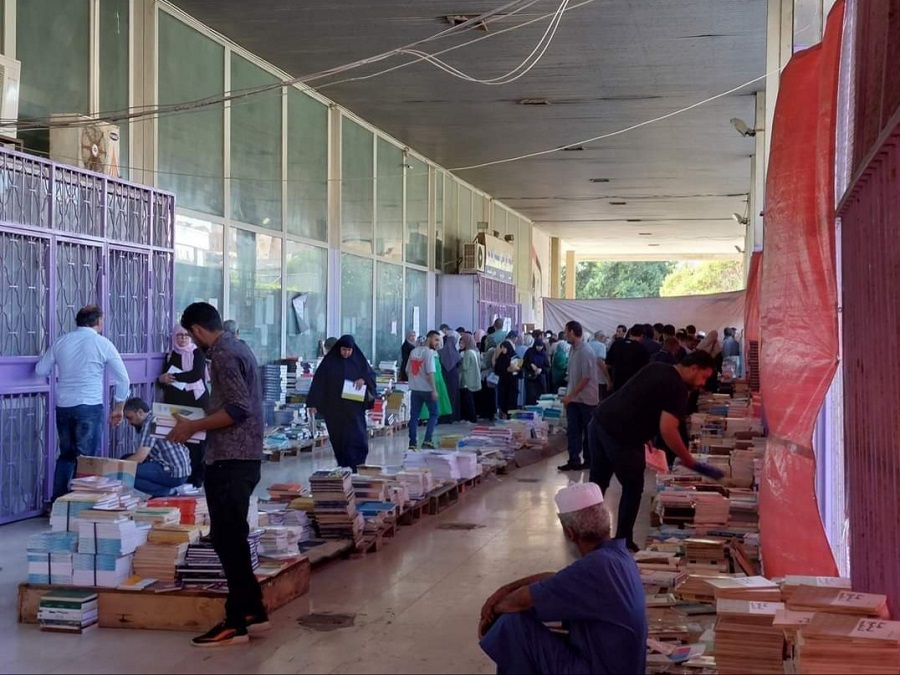
More than 70% of Libya's public libraries have reported a significant decline in visitor numbers over the past 18 months, according to data compiled by cultural organizations operating in North Africa. In a world where digital knowledge sources are expanding at an unprecedented rate, Libyan libraries — both public and private — are confronting growing threats to their cultural and educational role.
The crisis, which observers say has been years in the making, reflects a combination of factors: prolonged political instability, chronic underfunding, the rapid shift toward digital media, and the absence of a national strategy to promote reading and preserve Libya's intellectual heritage. For a country that once boasted some of the most vibrant cultural institutions in North Africa, the stakes could not be higher.
Libya's library infrastructure has suffered dramatically since 2011. Dozens of public libraries across the country were damaged or repurposed during years of conflict, and many have never fully reopened. The National Library in Benghazi, one of the country's most important repositories, continues to operate at reduced capacity, with limited hours and outdated collections.
According to UNESCO's latest available assessments, Libya's public library density remains well below regional averages, with fewer than one public library per 50,000 residents in most governorates. The situation is particularly acute in smaller cities and rural areas, where access to books and educational materials has become increasingly scarce.
Fatima Al-Mahdi, a 34-year-old teacher in Tripoli, has witnessed the decline firsthand. "I used to bring my students to the public library every month. Now the building is barely open, the books are old, and there is no librarian to help the children," she told LibyaPress. "My students are losing a window to the world, and it breaks my heart."
Al-Mahdi's experience reflects a broader pattern across the country. Parents, educators, and cultural advocates have repeatedly warned that the erosion of library infrastructure is contributing to declining literacy rates and limiting educational opportunities for young Libyans.
The decline of libraries in Libya is not merely a cultural issue — it is a development challenge with far-reaching consequences. Libraries serve as community hubs, safe learning spaces, and gateways to information for millions of Libyans who lack reliable internet access or the means to purchase books.
Experts warn that without urgent intervention, Libya risks losing an entire generation of readers and researchers. "A nation that neglects its libraries neglects its future," said Dr. Omar Al-Toumi, a Benghazi-based historian and cultural commentator. "We need a comprehensive national strategy that combines investment in physical infrastructure with digital transformation."
Despite the grim picture, there are emerging signs of grassroots resilience. Several youth-led initiatives in Tripoli, Benghazi, and Misrata have launched community reading programs and pop-up libraries in recent months. A crowdfunding campaign organized by Libyan expatriates raised over $50,000 last quarter to restock libraries in underserved areas.
The United Nations Development Programme has also signaled support for a pilot project to digitize key collections in three Libyan public libraries, though implementation timelines remain uncertain given the country's political complexities.
Libya's library crisis demands a coordinated response from government institutions, international organizations, and civil society. The path forward requires not only funding but also a renewed national commitment to reading as a pillar of Libya's post-conflict recovery and long-term development.
For millions of young Libyans, the question is whether their country's leaders will act before the last shelves go empty. The answer will shape Libya's intellectual landscape for decades to come.
— LibyaPress / Libya Desk