
سكاكين الطبخ
وفر 24%! اشترِ سكاكين الطبخ بسعر 260 د.ل فقط في ليبيا. متوفر حالياً، الدفع عند ا
🛒 تسوق الآن Libya Press
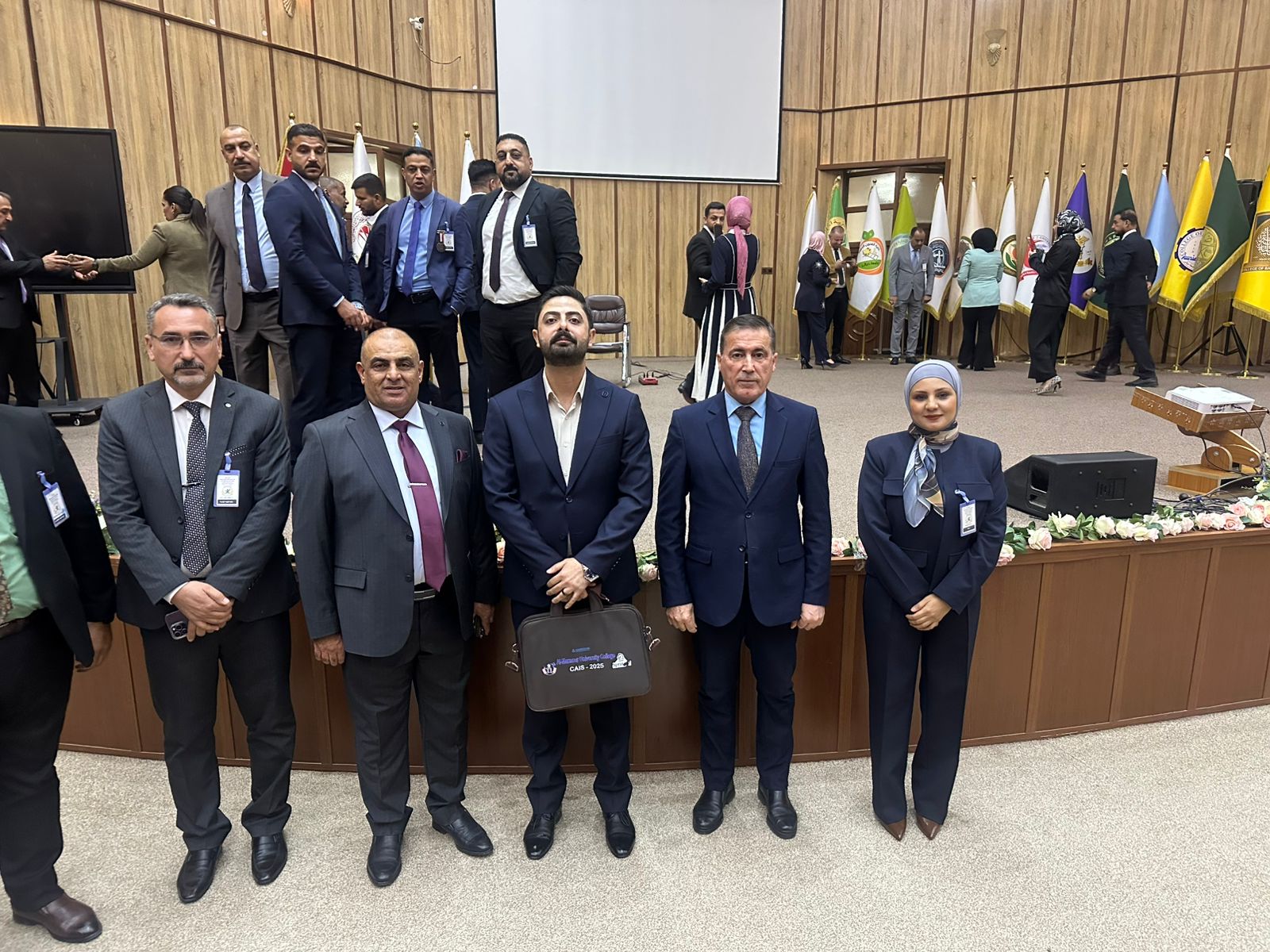
A delegation from the Faculty of Medicine at Benghazi University participated in the 6th Annual Conference of the Egyptian Foundation for Reproductive Medicine and Embryology (EFRE), held in Cairo on June 11–12, 2026. The event brought together academics, researchers, and specialists from across the region to discuss the latest advances in fertility treatment, embryology, and women's health sciences.
The Libyan delegation included Professor Dr. Zahia Al-Ghazal, Dean of the Faculty of Medicine at Benghazi University, and Professor Dr. Najah Al-Batmar, Head of the Obstetrics and Gynecology Department, alongside several other faculty members from the department. Their participation highlights Benghazi University's ongoing commitment to international academic engagement in specialized medical fields.
The EFRE 2026 conference featured scientific sessions and workshops covering cutting-edge developments in assisted reproductive technology (ART), embryology, and obstetrics. Topics included oocyte triggering techniques, sperm morphology and DNA integrity analysis, IVF cycle optimization, and adjuvant interventions for fertility treatment. The program drew specialists from Egypt, Libya, Turkey, and other countries across the Middle East and North Africa.
According to the conference program, sessions addressed practical clinical challenges alongside theoretical advances, with presentations on protocols for reducing ovarian hyperstimulation syndrome (OHSS), embryo cryopreservation indicators, and long-term follow-up strategies for patients with polycystic ovary syndrome (PCOS).
"Participation in international conferences like EFRE is essential for keeping our faculty at the forefront of medical science," said a representative from Benghazi University's Faculty of Medicine. "The exchange of expertise with regional institutions directly benefits our students and, ultimately, patients across Libya."
The EFRE conference is recognized as one of North Africa's leading forums for reproductive medicine research. For Libyan medical professionals, attending such events provides access to the latest clinical protocols and research findings that can be adapted to local healthcare settings, where demand for specialized fertility services continues to grow.
Libya's healthcare system has faced significant challenges over the past decade, with many specialized medical services limited by infrastructure constraints and brain drain. Academic partnerships and conference participation represent a critical pathway for Libyan institutions to maintain international standards and bring advanced medical knowledge back home.
Benghazi University, as one of Libya's largest and most established medical schools, plays a central role in training the next generation of healthcare professionals. The university's Obstetrics and Gynecology Department is a key provider of specialized women's health services in eastern Libya, serving a population of over 2 million people in the region.
This participation also signals a broader trend of Libyan academic institutions re-engaging with regional and international scientific communities after years of disruption. Such engagement is vital for rebuilding Libya's medical research capacity and ensuring that Libyan patients have access to care informed by the latest global standards.
The Benghazi University delegation is expected to bring back insights from the conference to enhance both teaching curricula and clinical practices at the Faculty of Medicine. Future collaborations with Egyptian and regional fertility centers could open doors for joint research programs, faculty exchanges, and improved patient referral pathways.
For Libya's medical community, every international academic connection strengthens the foundation for a more resilient healthcare system. The participation at EFRE 2026 is a small but meaningful step toward that goal.
— LibyaPress / Health Desk