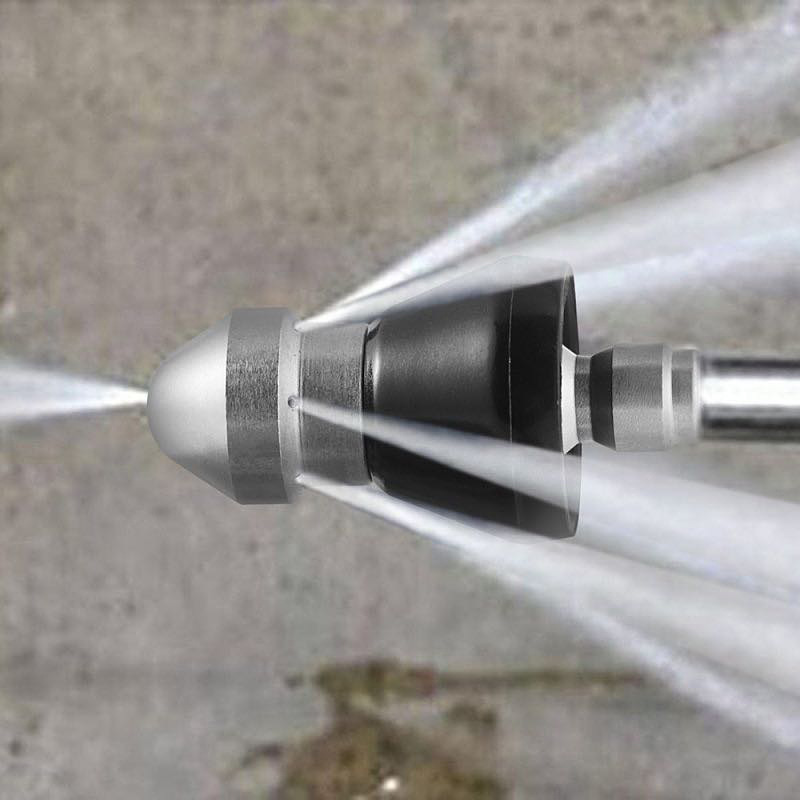
أداة تنظيف الصرف
وفر 44%! اشترِ أداة تنظيف الصرف بسعر 156.29 د.ل فقط في ليبيا. متوفر حالياً، الدف
🛒 تسوق الآن Libya Press
Libyan political figure Ashraf Boudouara has warned that the Government of National Unity has failed to establish the necessary conditions for holding scheduled elections in 2026, potentially deepening the country's political crisis.
In an exclusive interview with Libya 24, Boudouara stated that the failure to prepare electoral groundwork represents a critical breakdown in Libya's democratic transition process. The comments come amid growing concerns from both domestic and international observers about the timeline and feasibility of upcoming elections.
Boudouara explained in his public statements that extending any interim government beyond its designated timeframe would exacerbate the complex political dynamics already destabilizing the country. He emphasized that prolonged transitional periods undermine public trust and create power vacuums that can only be filled through force or coercion.
The Libyan political landscape has remained in flux since the fall of Gaddafi, with multiple competing governments and armed factions vying for control. The current Government of National Unity, formed in 2021, was intended to provide a unified transitional authority until democratic elections could be held.
According to Boudouara, the failure to meet this basic mandate has left Libya without a clear path forward. The government's inability to coordinate between eastern and western factions, coupled with disagreements over electoral law and voter registration, suggests that 2026 elections may be postponed again.
Boudouara, who serves on the Structured Dialogue Committee formed by various Libyan political forces, revealed that the committee has recommended establishing a temporary executive authority with limited mandate to oversee the electoral process. This authority would have specific responsibilities for preparing the conditions necessary for free and fair elections.
Critically, the committee's recommendations include a provision that members of this temporary authority should not be eligible to run in the upcoming elections themselves. This measure aims to prevent conflicts of interest and ensure genuine separation between the transitional administration and the democratic process.
Recent local election preparations highlight the challenges facing national electoral planning. The National Election High Committee reported approximately 334,546 registered voters across 63 municipalities in eastern, western, and southern Libya. Despite this groundwork, political opponents have accused the Government of National Unity of obstructing local election progress through bureaucratic delays and resource allocation issues.
Analysts note that the local election process has been particularly contentious, with multiple political parties and armed groups claiming legitimacy over different territories. The central government's inability to enforce uniform election laws across all regions has created a fragmented electoral environment that complicates any national vote.
The European Union and United Nations have both issued statements expressing concern over Libya's electoral timeline. Diplomatic sources indicate that international partners are prepared to withhold certain forms of assistance if Libya fails to demonstrate concrete progress toward democratic elections by mid-2026.
Regional neighbors, particularly Egypt and Algeria, have signaled interest in supporting any legitimate political settlement that could lead to stable governance. However, external actors remain cautious about backing any process they view as compromised by internal power struggles or exclusionary practices.
Boudouara's critique suggests that without immediate action to address the structural issues within Libya's transitional system, the country may face either continued political paralysis or renewed armed conflict. His call for a temporary, limited-mandate authority reflects a pragmatic approach to bridging the gap between the current government's failures and the public's demand for democratic representation.
The next few months will be critical in determining whether Libya's political institutions can adapt to the demands of democratic transition or whether the vacuum will once again be filled by armed factions. Boudouara's position as both critic and potential reformer places him at the center of this pivotal moment in Libya's ongoing struggle for stable governance.
— Libya Press / News Desk