
شاشة عرض مغناطيسية لصور السيلفي
وفر 26%! اشترِ شاشة عرض مغناطيسية لصور السيلفي بسعر 399 د.ل فقط في ليبيا. متوفر
🛒 تسوق الآن Libya Press
The United States' Senior Adviser for Arab and African Affairs, Massad Boulos, has announced that Libya is making significant strides toward unifying its military, economic, and political institutions. This development marks a crucial turning point in the country's long journey toward stability and democratic governance after more than a decade of division and conflict.
One of the most notable achievements highlighted by Boulos is the signing of a unified national budget for Libya for the first time in 13 years. This landmark agreement between the eastern and western factions represents a major step toward economic unity and demonstrates that cooperation between rival institutions is not only possible but already happening. The unified budget is expected to streamline government spending, improve public services, and create a more transparent financial framework for the country's future.
Boulos reaffirmed Washington's strong support for the United Nations Support Mission in Libya (UNSMIL) and its Special Representative Hanna Tetteh. The US official emphasized that Washington continues to back the UN-led political roadmap aimed at reaching national elections and achieving lasting national unity. During interviews with major Arab media outlets including Al Jazeera, Al Arabiya, and Sky News Arabia, Boulos discussed the ongoing developments and what he described as important steps toward strengthening the unity of state institutions across Libya's divided landscape.
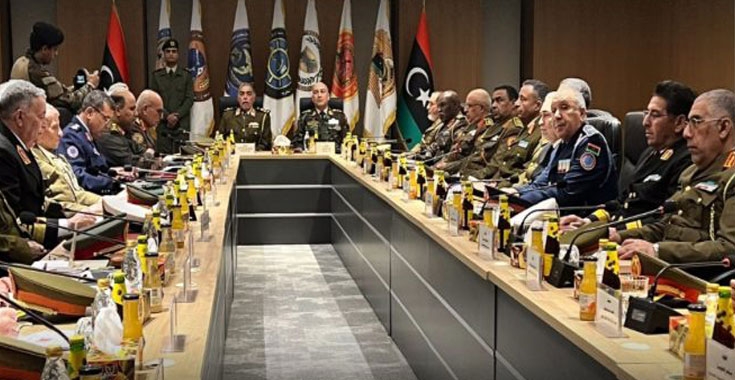
In a sign of growing international confidence in Libya's stability, the country participated in hosting the "Flintlock 26" special operations exercises organized by the US Africa Command in the city of Sirte. This military cooperation exercise underscores Libya's strategic importance in the region and the improving security situation that allows for such international partnerships. The participation also signals a new chapter in US-Libya military relations and reflects the progress made in unifying the country's armed forces under a single command structure.
The convergence of political, economic, and military progress suggests that Libya may be entering a new phase of its post-revolution trajectory. With international backing from both the United States and the United Nations, and with tangible achievements like the unified budget and joint military exercises, the prospects for holding long-awaited national elections appear more promising than they have in years. Libyan citizens across the country are watching these developments closely, hoping that this time the momentum toward unity and democracy will be sustained.