
كم الركبة الضاغط
وفر 45%! اشترِ كم الركبة الضاغط بسعر 142.08 د.ل فقط في ليبيا. متوفر حالياً، الدف
🛒 تسوق الآن Libya Press
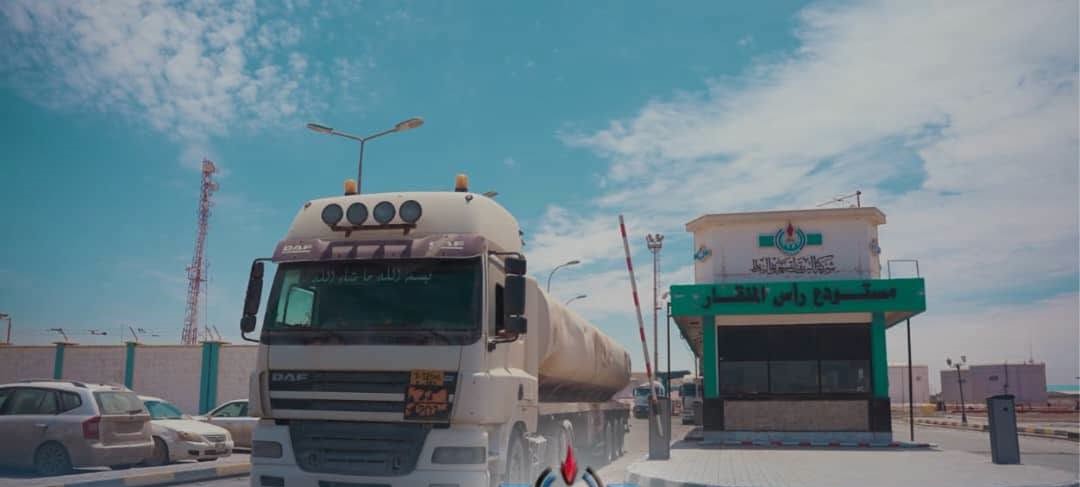
The Brega Oil Marketing Company has confirmed it is covering the full diesel fuel requirements of the General Electricity Company (GECOL), ensuring power generation continues uninterrupted across Libya amid rising seasonal demand. The state-owned fuel distributor stated it is operating around the clock to maintain supply chains for electricity production, factories, and industrial facilities.
In a statement carried by the Libyan News Agency (LANA), Brega emphasized that it is currently meeting 100% of GECOL's diesel needs for power plant operations. The company described this as part of its national duty, ensuring that generation units remain online during the peak summer months when electricity consumption reaches its highest levels of the year.
"We continue to perform our national role and work around the clock to secure diesel fuel supplies," the company said. "During this phase, we are covering the full needs of the General Electricity Company for the diesel product."
Libya's electricity demand has surged in recent weeks, driven by high summer temperatures that push air conditioning usage to maximum levels. The increased load puts significant strain on the national grid, which relies heavily on diesel-fired thermal power plants alongside natural gas units.
According to energy sector analysts, diesel consumption for power generation typically spikes by 30-40% during the summer months compared to the winter average. Brega's confirmation that it is meeting these elevated requirements signals stable fuel supply chains despite broader challenges facing Libya's oil and gas infrastructure.
In addition to power generation, Brega noted it is also supplying diesel to factories and production facilities across the country. This dual role — supporting both the electricity sector and industrial output — makes the company a critical node in Libya's economic stability.
The company operates key distribution networks including the Brega port, storage facilities, and a nationwide trucking fleet that delivers fuel to power stations and industrial consumers. Any disruption in Brega's operations would have immediate knock-on effects on electricity availability and industrial production.
Libya's electricity sector has faced chronic challenges for over a decade, with generation capacity frequently falling short of peak demand. The country's power plants suffer from aging infrastructure, maintenance backlogs, and inconsistent fuel supply — though recent months have seen improved coordination between the Ministry of Oil and Gas, GECOL, and Brega.
The company's assurance comes at a time when Libya is also working to rehabilitate its refining capacity and reduce dependence on imported refined products. Brega plays a central role in this effort, managing the distribution of locally refined and imported fuels across the nation's sprawling geography.
Alongside its operational updates, Brega reiterated calls for consumers to rationalize electricity usage. The company, along with GECOL, has urged households and businesses to adopt energy-saving practices to reduce peak load on the grid and conserve fuel resources.
Energy conservation campaigns have become a regular feature of Libya's summer months, with authorities emphasizing that collective efforts can reduce the burden on power plants and fuel distribution networks. Simple measures such as setting air conditioners to moderate temperatures and turning off unnecessary appliances are promoted through media campaigns.
With several weeks of peak summer still ahead, Brega's ability to maintain current supply levels will be closely monitored. The company has not indicated any imminent shortages, but the margin between supply and demand in Libya's power sector remains narrow.
Industry observers note that sustained fuel supply will depend on continued imports of refined products — as Libya's domestic refineries do not fully meet national diesel demand — as well as the security of key infrastructure from the Brega port to inland distribution hubs.
— Libya Press / News Desk