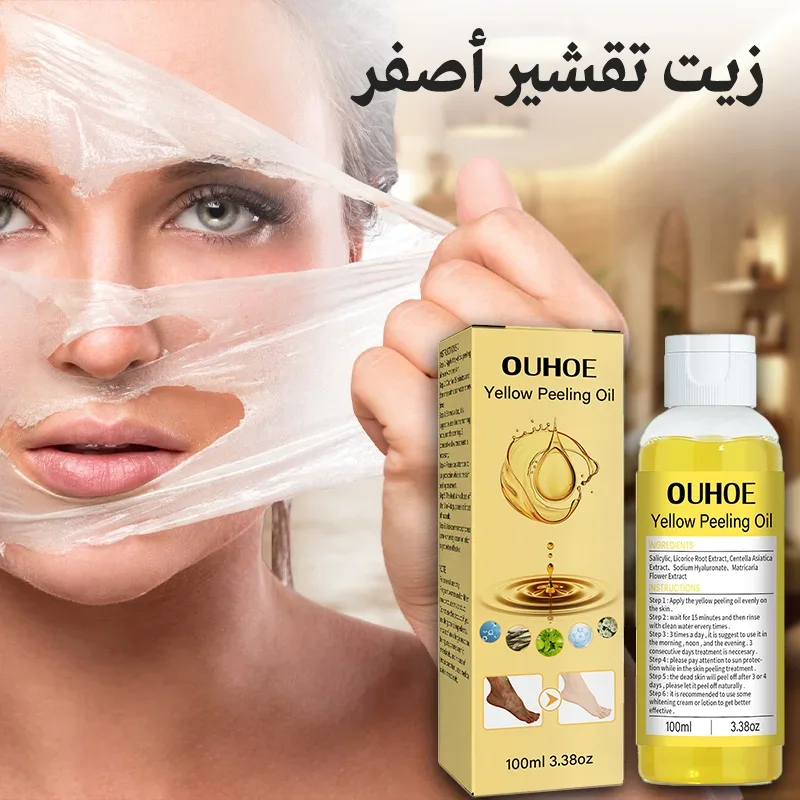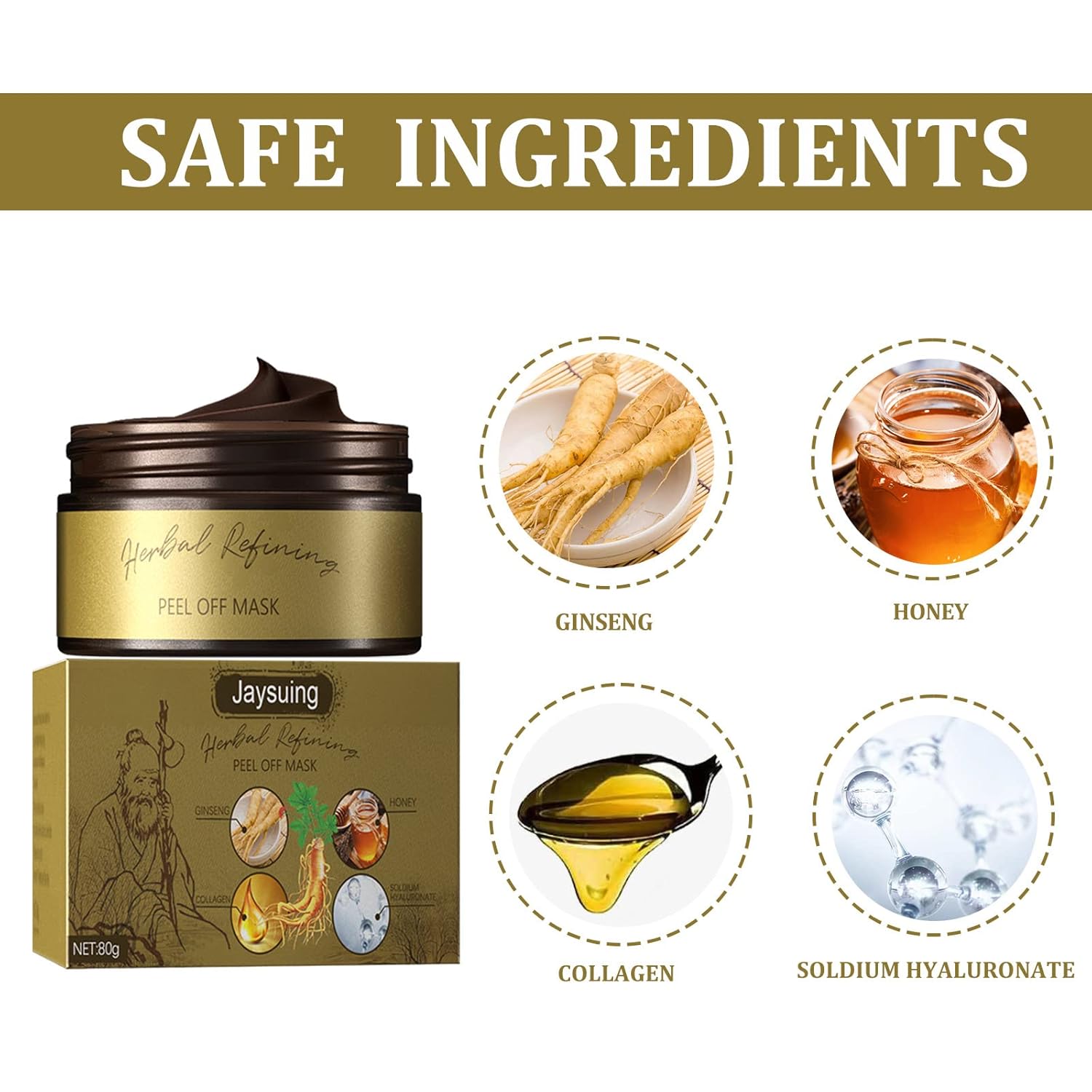
قناع الوجه المقشر والمنعم بالأعشاب
وفر 18%! اشترِ قناع الوجه المقشر والمنعم بالأعشاب بسعر 176.26 د.ل فقط في ليبيا.
🛒 تسوق الآن Libya Press
Recent industry data reveals a staggering 40% increase in "quiet luxury" search queries among Middle Eastern fashion enthusiasts this quarter. This shift signals a profound departure from the "logomania" of previous decades, moving instead toward timeless silhouettes, understated elegance, and sustainable fabrics that communicate wealth through quality rather than branding.
From the high-stakes glamour of the Cannes Film Festival to the sophisticated streets of Dubai and Tripoli, the influence of celebrity aesthetics continues to act as the primary catalyst for global retail trends. When an A-list icon chooses a specific shade or fabric, it triggers a ripple effect that translates into millions of dollars in consumer spending within weeks.
The fashion industry is currently undergoing a critical transition where ethical sourcing is no longer optional but a prerequisite for prestige. A comprehensive recent report from Vogue indicates that approximately 65% of top-tier celebrities are now consciously opting for archival pieces—vintage items from previous decades—or custom-made sustainable couture for their most public appearances.
This movement toward "archival fashion" is driven by a desire for narrative exclusivity. Wearing a unique piece from the 1990s provides a distinct historical context and a storytelling element that newly produced collections simply cannot replicate. It transforms the celebrity from a mere consumer into a curator of fashion history.
Furthermore, the integration of lab-grown leather and recycled ocean plastics into high-fashion garments is proving that sustainability does not require a sacrifice in aesthetic appeal. The "green carpet" is becoming the new standard for the modern elite.
In Libya, we are witnessing a fascinating cultural synthesis where traditional modesty meets global high-fashion trends. Local influencers and fashion-forward citizens are increasingly incorporating "celebrity-inspired" palettes—such as deep emerald greens, muted sands, and royal purples—into contemporary Libyan attire.
The integration of high-fashion elements, like structured blazers and oversized silhouettes, with local Libyan craftsmanship (such as traditional embroidery and hand-woven fabrics) is creating a new wave of "Libyan Elegance." This hybrid style resonates deeply with the youth, who seek a global identity, and the traditional elite, who value heritage.
This trend is also stimulating the local economy, as more Libyan designers are encouraged to blend global "celebrity" trends with authentic local materials, creating a unique exportable style that celebrates Libyan identity on a global stage.
Celebrity looks function as a sophisticated visual shorthand for aspiration, power, and social status. From a psychological perspective, when a global icon adopts a specific style, it triggers an "identification response" in followers. This is not mere imitation; it is an attempt to subconsciously emulate the success, confidence, and perceived happiness associated with that icon.
However, the most influential style icons of 2026 are shifting their strategy from "perfection" to "authenticity." By showcasing the process, the flaws, and the evolution of their style, they build a deeper, more trust-based connection with their audience.
The ultimate goal for the modern consumer is no longer to look like a celebrity, but to use celebrity trends as a toolkit for discovering their own authentic identity. In this era, the most courageous fashion statement is not the most expensive one, but the one that feels most true to the individual.
— Libya Press / Entertainment Desk