
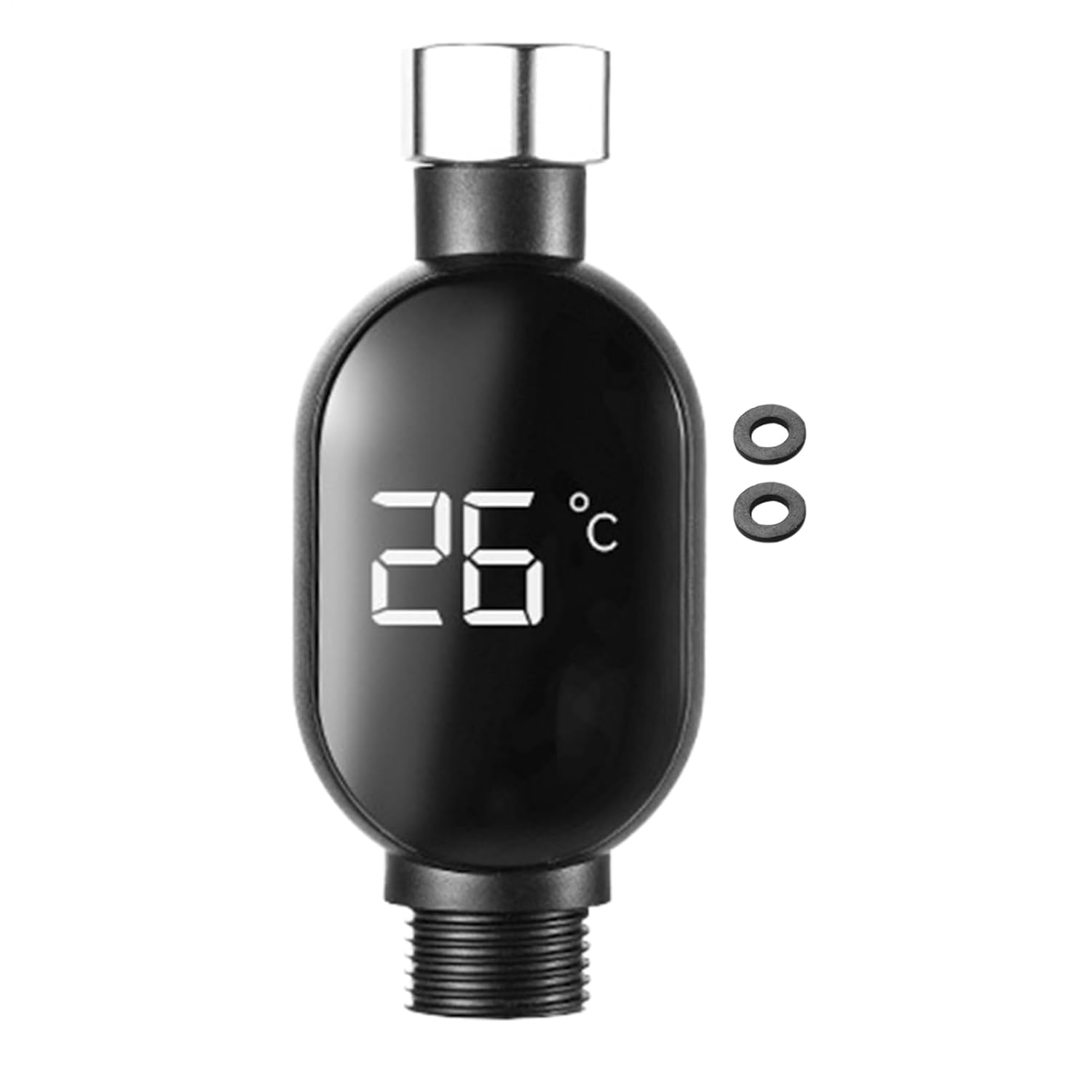
جهاز مراقبة درجة حرارة تدفق المياه
وفر 35%! اشترِ جهاز مراقبة درجة حرارة تدفق المياه بسعر 163.2 د.ل فقط في ليبيا. م
🛒 تسوق الآن Libya Press
The Cultural Heritage Center (CHC) in the Bureau of Educational and Cultural Affairs (ECA) has officially announced the launch of the 2026 program cycle for Cultural Property Agreement Implementation Grants. The deadline for submissions is set for February 2, 2026, giving eligible organizations approximately two months to prepare competitive proposals.
Grants under this program range from $25,000 to $150,000, depending on the scope and impact of the proposed project. According to the Cultural Heritage Center, funded projects must focus on strengthening site security, improving documentation of cultural artifacts, building institutional capacity, and engaging local communities in heritage preservation efforts.
The program specifically targets the prevention of looting, trafficking, and illicit trade in cultural property — issues that have plagued nations across North Africa and the Middle East for decades. Priority will be awarded to proposals that demonstrate measurable outcomes and sustainable long-term impact.
Cultural Property Agreements are bilateral treaties between the United States and partner nations designed to restrict the import of illegally excavated or trafficked archaeological and ethnographic materials. These agreements, authorized under the Cultural Property Implementation Act, serve as critical legal frameworks for protecting global heritage.
Since the first agreement was signed in 1983, the United States has established similar partnerships with over 25 countries. The implementation grants ensure that these agreements translate from paper commitments into on-the-ground protection for vulnerable archaeological sites and cultural institutions.
For Libya, this program carries particular significance. The country is home to five UNESCO World Heritage Sites, including the ancient Roman city of Leptis Magna, the Greek ruins of Cyrene, and the old city of Ghadames. These sites have faced severe threats from looting, illegal excavation, and neglect, especially during periods of political instability.
Libyan cultural institutions and NGOs working on heritage preservation are strongly encouraged to explore eligibility for these grants. Previous cycles have funded projects across North Africa, including in neighboring Egypt, where grants have supported site documentation and security upgrades at vulnerable archaeological locations.
Interested organizations should review the full program guidelines published by the Cultural Heritage Center. Applications must clearly outline project objectives, timelines, budgets, and expected outcomes. Proposals that demonstrate partnerships between international and local institutions will receive favorable consideration.
The February 2 deadline is firm. Organizations seeking to protect cultural heritage, strengthen institutional frameworks, and combat the illicit antiquities trade should begin preparing their submissions immediately. This represents a significant opportunity to secure funding for projects that safeguard irreplaceable cultural treasures for future generations.
— LibyaPress / Economy Desk
===END_ENGLISH===