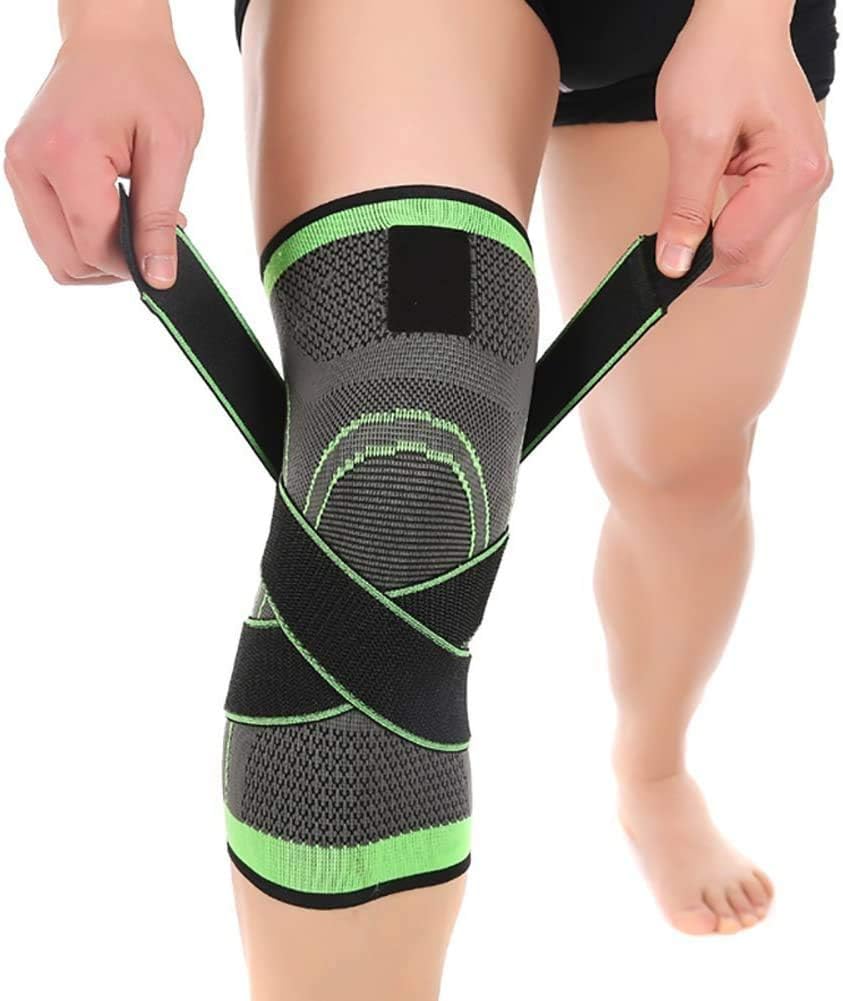
كم الركبة الضاغط
وفر 45%! اشترِ كم الركبة الضاغط بسعر 142.08 د.ل فقط في ليبيا. متوفر حالياً، الدف
🛒 تسوق الآن Libya Press
Libya's parallel foreign exchange market saw another day of upward movement on Wednesday, July 8, 2026, as the US dollar exchange rate via bank checks (known locally as ṣukūk) continued its persistent climb across the country's major commercial banks. The latest trading session reflected ongoing pressure on the Libyan dinar amid structural adjustments to the country's foreign exchange system.
The Central Bank of Libya's (CBL) currency reservation system has been at the center of recent market movements, with policy changes and administrative updates driving demand dynamics in the interbank check-clearing market.
According to data from the parallel interbank market, closing rates for the US dollar via bank checks varied across institutions, with Benghazi-based banks recording the highest rates. The table below summarizes the sell and buy prices across Libya's main commercial banks:
The spread between the highest and lowest selling rates stood at 0.04 LYD, reflecting a relatively tight but persistently elevated pricing band. Benghazi's Al-Tanmiya Bank continued to lead on the higher end, while the Al-Muttahid group offered the most competitive rates among the tracked institutions.
The sustained pressure on the dinar follows the Libyan monetary authority's decision to devalue the national currency by 14.7 percent against the Special Drawing Rights (SDR) basket, a structural adjustment aimed at narrowing the wide gap between the official and parallel market rates.
Following this adjustment, the official exchange rate stabilized at 6.40 LYD per US dollar — a level that remains significantly below parallel market prices, which now hover above 8.60 LYD for bank check transactions. The divergence continues to drive demand toward the parallel channel, where importers and businesses seek access to foreign currency for trade finance and personal transfers.
The persistent rise in check-based dollar rates poses direct challenges for Libyan importers, who rely on bank checks to secure foreign currency for essential goods including food, medicine, and construction materials. The widening gap between the official rate and the parallel market rate creates cost pressures that ultimately pass through to consumers in the form of higher retail prices.
Business owners in Tripoli and Benghazi have reported increasing difficulty in securing dollar allocations through the CBL's electronic reservation platform, pushing more transactions toward the interbank check market where rates are determined by supply and demand dynamics rather than central bank controls.
Analysts monitoring Libya's foreign exchange market suggest that the trajectory of the dinar will depend heavily on the CBL's ability to inject sufficient dollar liquidity into the banking system and streamline its currency allocation mechanism. Without meaningful supply-side intervention, the parallel market rate is expected to remain under upward pressure in the near term.
The situation also reflects broader macroeconomic challenges facing Libya, including the country's dependence on oil revenues for foreign currency inflows and the impact of political fragmentation on economic policy coordination. Until structural reforms address these underlying issues, the gap between official and parallel exchange rates is likely to persist.
Market participants are closely watching the CBL's next policy moves, particularly any adjustments to the currency reservation system or new measures aimed at increasing dollar availability through official channels.
— Libya Press / News Desk