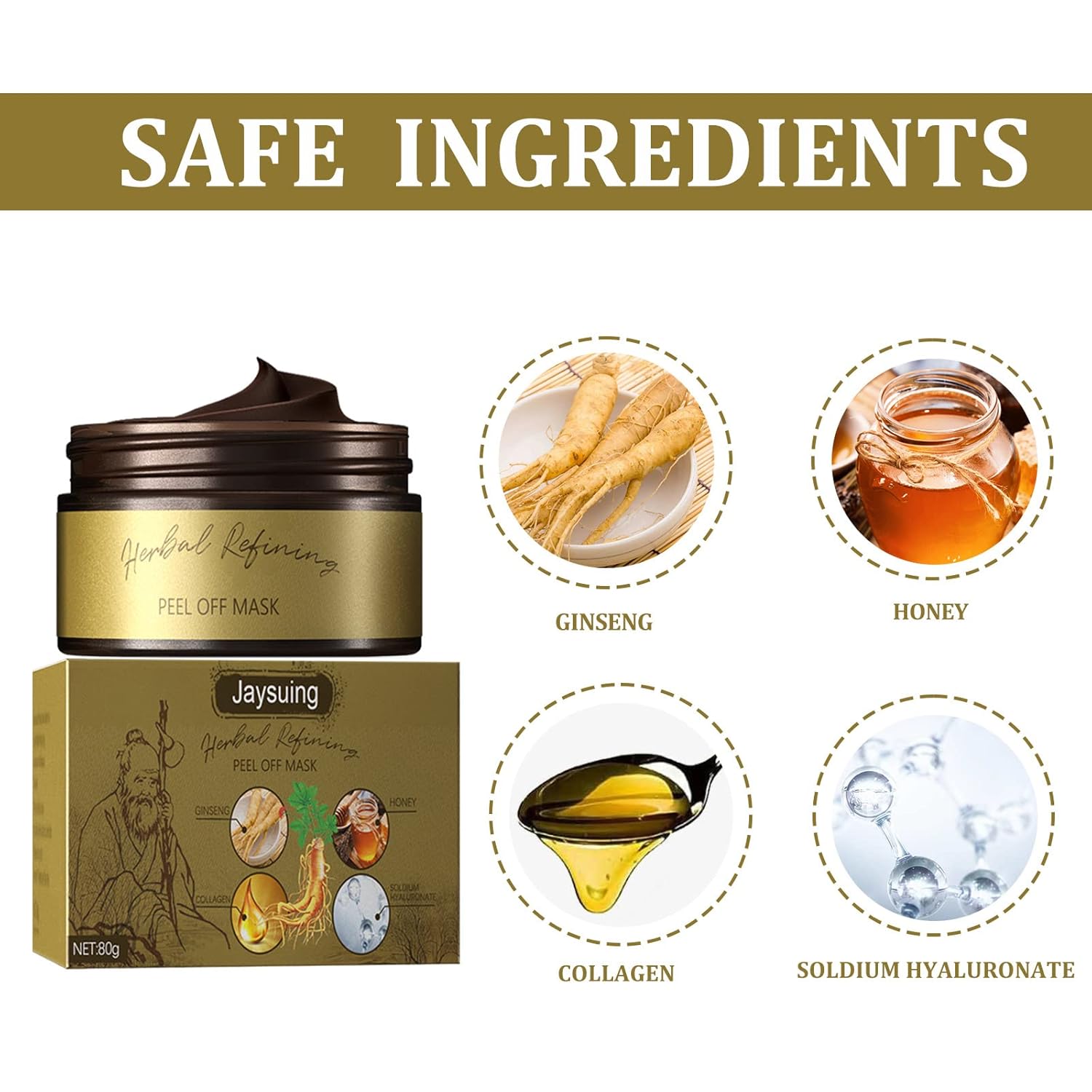
قناع الوجه المقشر والمنعم بالأعشاب
وفر 18%! اشترِ قناع الوجه المقشر والمنعم بالأعشاب بسعر 176.26 د.ل فقط في ليبيا.
🛒 تسوق الآن Libya Press
Across Libya, from Tripoli to Benghazi, cooking has always been more than just preparing food — it is a cultural cornerstone that brings families together. According to the Libyan Ministry of Culture, over 80% of Libyan families still share at least one home-cooked meal daily, one of the highest rates in the Arab world. Now, a wave of Libyan women is breathing new life into centuries-old recipes by blending them with modern cooking techniques and global flavors.
Social media platforms have become the new kitchen classroom. Facebook pages like "Cooking World," with over 42,000 followers, and YouTube channels dedicated to Libyan cuisine are attracting thousands of daily viewers. These platforms help Libyan women rediscover traditional dishes such as couscous, shakshouka, and bazin while learning contemporary recipes from around the world.
Internet penetration in Libya has reached over 70% according to recent reports from the International Telecommunication Union, enabling more Libyan women to access online cooking content . Cooking channels on YouTube and Facebook have seen a 45% increase in viewership since 2023, with women aged 18 to 45 driving the majority of engagement.
"Libyan women are incredibly resourceful in the kitchen," says Amina Al-Mahdi, a Tripoli-based food blogger with over 100,000 Instagram followers. "We grew up watching our mothers and grandmothers cook from memory. Now we are documenting those same recipes and adding our own creative touches."
This trend has also sparked a cottage industry of home-based food businesses. From traditional Libyan pastries like ghrayba and maqroud to modern fusion dishes, women are turning their cooking skills into income-generating ventures.
Several classic Libyan dishes are experiencing a renaissance among younger generations eager to reconnect with their culinary heritage:
These dishes represent Libyan identity, hospitality, and the central role of women in preserving cultural traditions through cuisine.
Beyond cultural preservation, home cooking has significant health benefits. The World Health Organization reports that home-cooked meals contain 30% fewer calories and 40% less sodium than restaurant food. For Libyan families where rates of diabetes and hypertension are rising, home cooking is critical for better health.
"When you cook at home, you control what goes into your food," explains Dr. Nadia Al-Farsi, a nutritionist based in Benghazi. "Libyan women are becoming more conscious about using fresh, local ingredients — olive oil from Jabal al-Akhdar, fresh dates from Fezzan, and organic produce from local farms."
The farm-to-table movement, while still emerging in Libya, is gaining traction among health-conscious families who are growing herbs and vegetables at home to reduce reliance on imported processed foods.
The new generation of Libyan home cooks is not afraid to experiment. Fusion recipes combining Libyan flavors with international cuisines are trending across social media — from Libyan-style pizza with merguez sausage and harissa to couscous salads with Mediterranean dressing and traditional sweets infused with chocolate.
The "Cooking World" community on Facebook, YouTube, and Instagram serves as a digital gathering place where Libyan women share recipes, cooking tips, and step-by-step tutorials. It has grown organically, driven by a shared passion for food and a desire to keep Libyan culinary traditions alive.
In a country working toward stability and rebuilding, the kitchen has become an unlikely space for resilience, creativity, and connection. Libyan women are proving that the way to a better future can start with something as simple as a shared meal.
— Libya Press / Women Desk