
ممحاة إزالة الشعر
وفر 18%! اشترِ ممحاة إزالة الشعر بسعر 144 د.ل فقط في ليبيا. متوفر حالياً، الدفع
🛒 تسوق الآن Libya Press
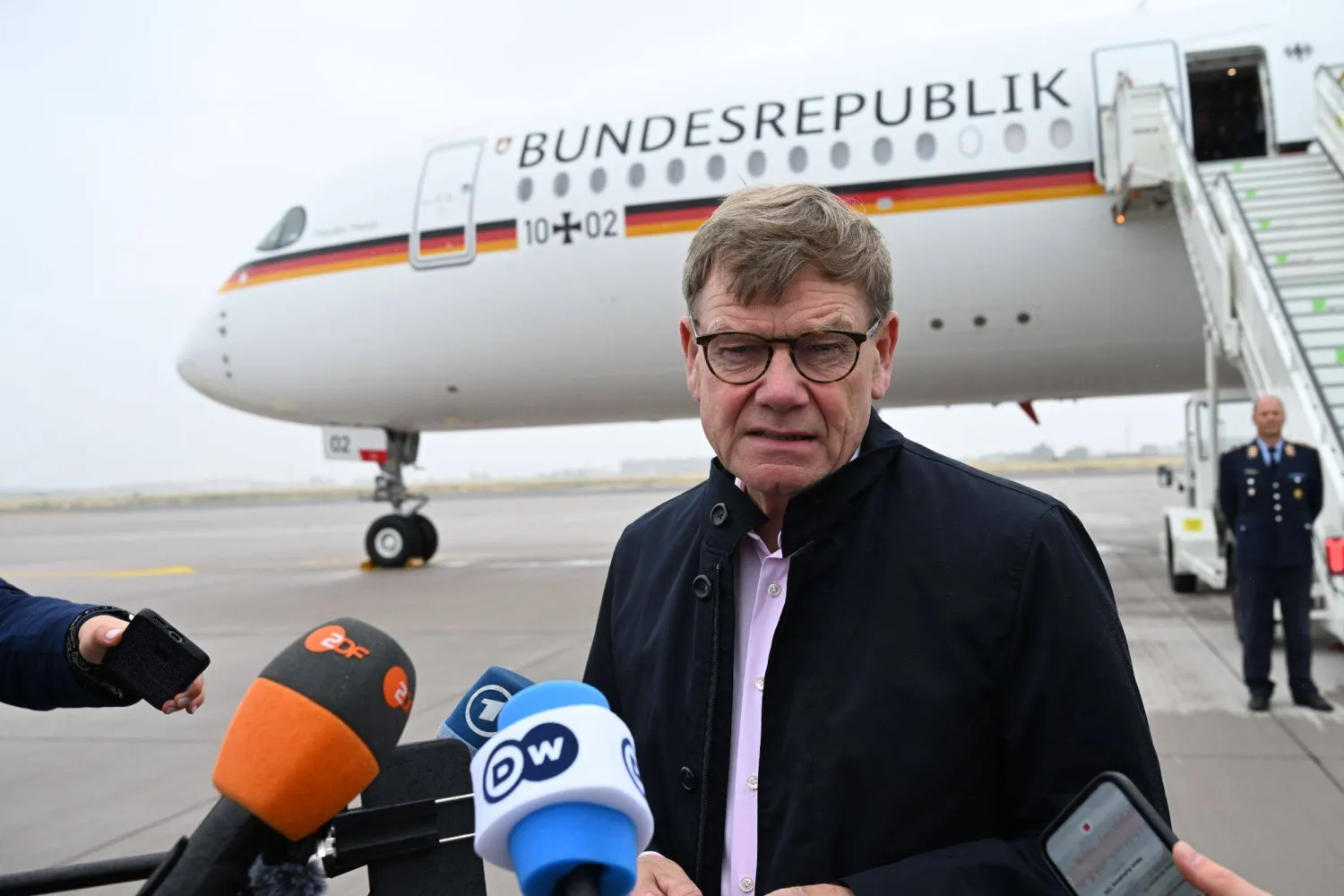
German Foreign Minister Johann Wadephul arrived in Nouakchott on Monday evening, launching a three-nation African tour that will also take him to Nigeria and South Africa. The visit — his third to the continent this year — comes at a time of major geopolitical realignment, with US protectionist policies and China's expanding influence reshaping global partnerships.
"Especially at a time of major global geopolitical upheaval, reliable cooperation with our African partners is essential," Wadephul said in a statement prior to his departure, according to the German Federal Foreign Office. The CDU politician described the trip as part of Berlin's strategy to deepen alliances with key states across Africa.
Wadephul's choice of Mauritania as the first stop is significant. The last German foreign minister to visit the country was Frank-Walter Steinmeier in 2006, long before he became Germany's president. Mauritania, which remains a stable country in an otherwise volatile Sahel region, has emerged as a crucial partner for Berlin.
"As a stable country in an otherwise highly fragile region, Mauritania is a reliable partner for us," Wadephul stated. The enduring crisis in the Sahel is presenting immense humanitarian and security challenges, and Germany stands ready to provide greater support. The country also offers considerable potential for renewable energy, particularly in green hydrogen production — a sector where German companies are increasingly looking to invest.
From Mauritania, Wadephul will travel to Nigeria, Africa's most populous country and largest internal market. Nigeria is already Germany's second-largest trading partner in sub-Saharan Africa, and Berlin is keen to expand economic ties further.
"As well as its economic significance, Nigeria is a political leader in West Africa and the regional organisation ECOWAS," Wadephul noted. The German government wants to encourage more German enterprises to invest in Nigeria, particularly as the spill-over effects of the Sahel crisis increasingly affect coastal states from Mauritania to Nigeria. Security cooperation will also feature prominently in the talks.
The final leg of the tour will take Wadephul to South Africa, which Berlin describes as its closest partner on the continent. Only weeks ago, Germany and South Africa upgraded their bilateral relations to a Strategic Partnership, reflecting the depth of their cooperation.
With nearly 600 German companies operating in the country and trade volumes making South Africa Germany's most significant African economic partner, the relationship carries substantial weight. South Africa is also the only African member of the G20 and a staunch advocate of multilateralism — values Berlin shares. Discussions are expected to focus on energy sector cooperation, critical raw materials, and foreign policy coordination.
Wadephul's tour unfolds against a backdrop of shifting global alliances. US protectionist trade policies under the current administration have pushed European powers to diversify their partnerships, while China's assertive engagement across Africa has added a competitive dimension to Western outreach.
"When crises, trade restrictions and global isolationist tendencies are testing the limits of international cooperation, it is down to us to forge even closer worldwide networks," Wadephul said. He emphasised that Germany stands for international cooperation, economic openness and reliability — positioning Berlin's Africa policy as a counterweight to protectionist and unilateralist trends.
For Libyan observers, Wadephul's tour carries particular relevance. The stability of the Sahel region is directly tied to Libya's own security situation, with cross-border militant activity and migration flows affecting all North African states. Germany's renewed focus on African partnerships — including security cooperation and economic investment — signals a broader European recalibration toward the continent that could have implications for Libya's neighbourhood dynamics.
— Libya Press / Politics Desk