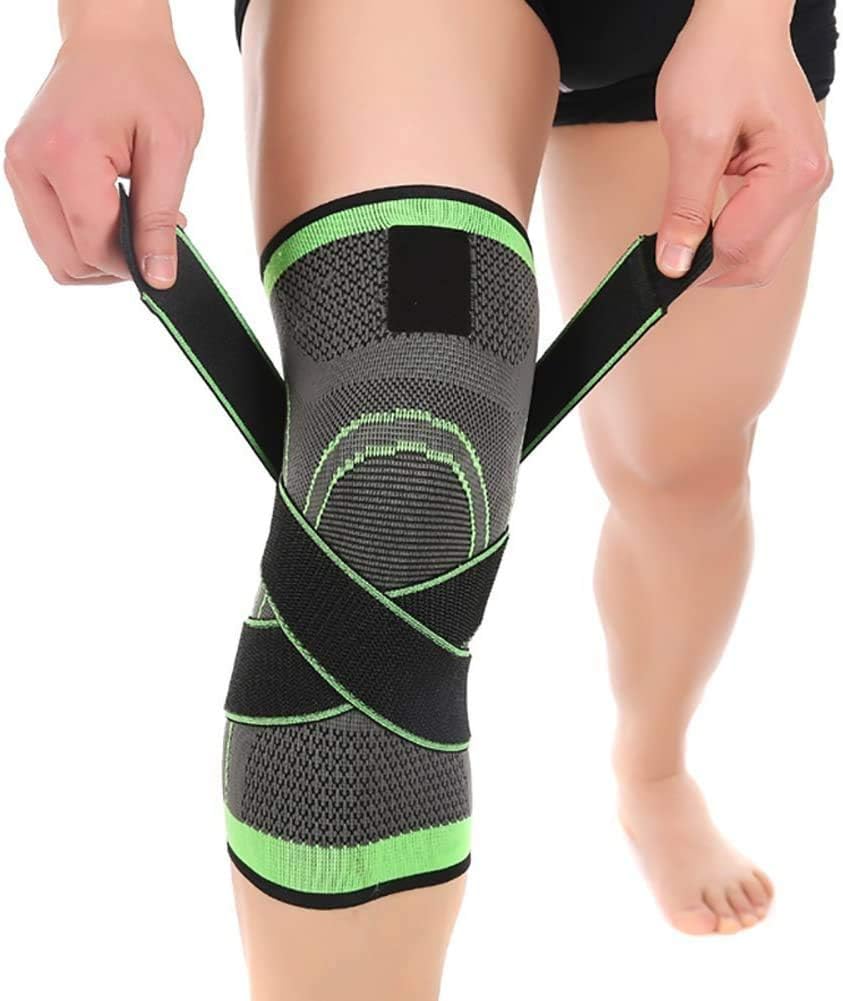
كم الركبة الضاغط
وفر 45%! اشترِ كم الركبة الضاغط بسعر 142.08 د.ل فقط في ليبيا. متوفر حالياً، الدف
🛒 تسوق الآن Libya Press
A sweeping food safety campaign by Libya's Public Prosecutor's Office has uncovered alarming levels of banned pesticide residues in everyday crops sold across Libyan markets. Laboratory tests revealed that 65% of sampled produce — collected from farms and retail outlets in Tripoli, Benghazi, and Misrata — contained traces of seven prohibited pesticides, some classified internationally as carcinogenic or mutagenic substances.
The findings, announced on Tuesday by the Office of the Attorney General, have sent shockwaves through the agricultural sector and prompted urgent calls for stricter regulation and consumer awareness. The campaign, titled "What Do We Eat?" ("Matha Nakul?"), was launched under the broader Environmental Rights and Justice Enhancement Program.
During the program's sessions held in Tripoli, experts unveiled a detailed risk classification of produce based on pesticide residue levels. The classification places several popular crops in the "extreme risk" category due to high probabilities of exceeding permissible residue limits.
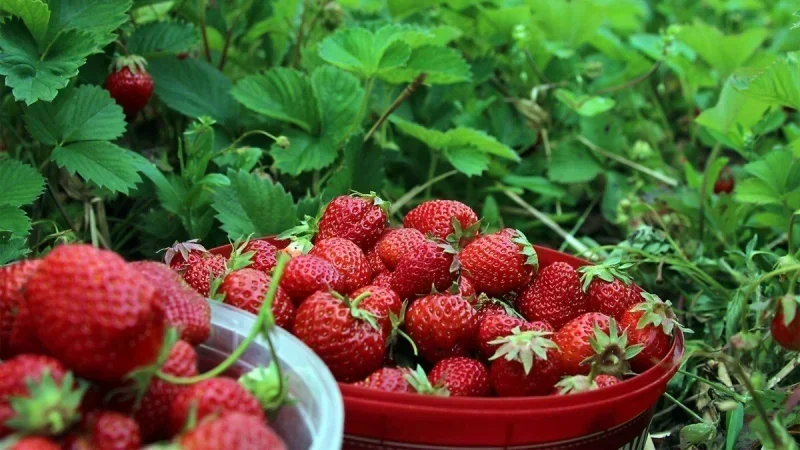
High-risk crops (extreme danger): Strawberries, tomatoes, cucumbers, and peppers topped the list, with laboratory analyses showing frequent and significant exceedances of safe pesticide thresholds. These are crops consumed daily by Libyan families, raising serious public health concerns.
Medium-risk crops: Carrots, zucchini, turnips, green onions, and Swiss chard were placed in the moderate risk category. The report noted that violations in this group were limited and intermittent, often linked to improper agricultural practices rather than systemic contamination.
Low-risk crops: Citrus fruits (oranges, lemons), potatoes, legumes (peas, beans), cauliflower, garlic, onions, and pumpkin were classified as low risk. Most samples tested from this group were free of pesticide residues or contained only trace amounts within permitted limits.
The Public Prosecutor's Office has moved aggressively to hold violators accountable. According to official statements, authorities have filed 236 criminal cases against 202 defendants, with 73 suspects still being actively pursued. The campaign has also resulted in the seizure of approximately 65,000 units of banned pesticides, the closure of numerous shops and storage facilities, and the confiscation of illegal spraying equipment.
"The investigation received information about violations affecting ecosystems and food safety rules due to the widespread use of banned pesticides in agricultural practices," the Attorney General's office stated in a press release. The office confirmed that legal proceedings have been initiated against traders and possessors of prohibited pesticides, as well as users of permitted pesticides who exceeded recommended application limits.
Samples collected in February 2026 were sent to international laboratories for analysis. The tests confirmed the presence of residues from seven pesticides prohibited under national legislation, along with materials classified internationally as carcinogenic or mutagenic under global agreements and recommendations from regional and international commissions.
Some samples showed residue levels exceeding maximum allowable limits, indicating either intentional misuse of banned substances or negligence in applying permitted agricultural chemicals. The findings align with broader concerns about food safety and environmental health in Libya, where agricultural oversight has historically been weak.
The revelations present a serious challenge for Libyan households who rely on locally grown produce as a staple of their daily diet. The Attorney General's office has called for enhanced awareness programs targeting farmers about the safe use of pesticides and the dangers of banned substances.
Health experts recommend that consumers thoroughly wash all produce, particularly strawberries, tomatoes, cucumbers, and peppers — the crops identified at highest risk. Peeling fruits and vegetables where possible can also reduce exposure to surface pesticide residues.
Agricultural specialists have urged the government to invest in regular monitoring programs, farmer training initiatives, and stricter border controls to prevent the entry of banned pesticides into the Libyan market. Without systemic reform, food safety experts warn that the contamination problem is likely to persist and potentially worsen.
The Environmental Rights and Justice Enhancement Program continues to push for policy changes, including the establishment of an independent food safety authority and mandatory pesticide testing for all produce sold in Libyan markets.
— Libya Press / News Desk