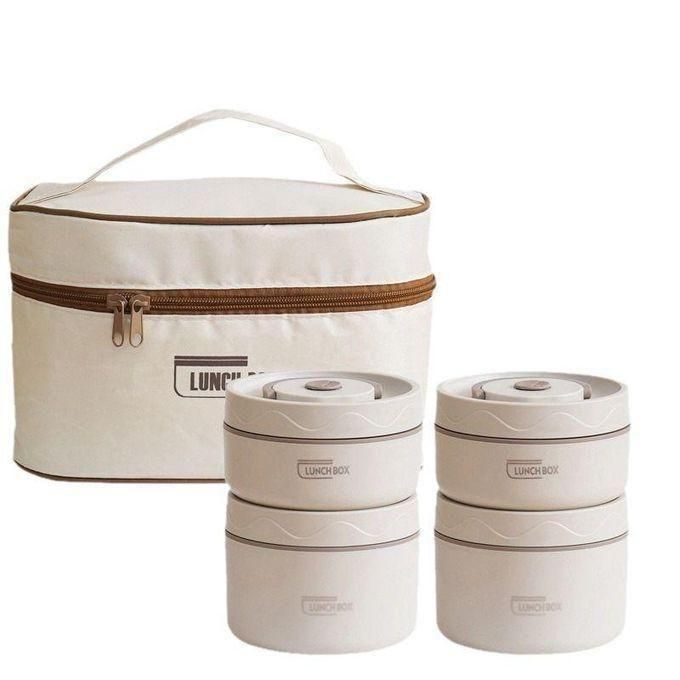
صندوق غداء حراري مع حقيبة محمولة
وفر 43%! اشترِ صندوق غداء حراري مع حقيبة محمولة بسعر 222.72 د.ل فقط في ليبيا. مت
🛒 تسوق الآن Libya Press
The Libyan National Army (LNA), under the command of Field Marshal Khalifa Haftar, has stepped up military coordination with the Chadian armed forces through a newly formed joint task force dubbed "Desert Shield." The initiative, first announced in late 2025, has entered an operational phase with joint patrols and intelligence-sharing operations targeting rebel groups and criminal networks operating along the disputed border strip, according to reports from Alshareet and Asharq Al-Awsat.
Senior military leaders from both sides convened in Benghazi earlier this week to formalize the operational command of the joint force. The meetings, hosted by the LNA General Command, focused on establishing communication protocols, defining areas of responsibility, and setting rules of engagement for combined patrols spanning the frontier from Kufra to the disputed Aouzou Strip.
According to security sources cited by Asharq Al-Awsat, the agreement stipulates that Libyan and Chadian units will operate under a unified command rotating between the two nations on a monthly basis. Each side has committed approximately 1,500 troops to the force, backed by armored vehicles and surveillance drones.
The southern Libyan-Chadian border has long been a transit corridor for fuel, weapons, and human trafficking networks. The "Desert Shield" operation specifically targets armed groups that have used the remote borderlands as a safe haven for cross-border raids and illicit trade.
Libyan defense analysts estimate that smuggling through unofficial border crossings costs both economies hundreds of millions of dollars annually. Chadian authorities have also reported that rebel groups, including elements of the Front for Change and Concord in Chad (FACT), maintain hideouts in the lawless border zones.
The joint military initiative represents a significant shift in the regional security architecture. Historically, Chad and Libya have had a fraught relationship over the Aouzou Strip dispute, which was only resolved by the International Court of Justice in 1994. The "Desert Shield" framework marks the deepest level of military cooperation between the two neighbors in over three decades.
Observers note that the rapprochement aligns with broader trends: both nations face mounting pressure from Sahel-based extremist groups expanding southward, while European Union border security programs have pushed migration routes further into the desert, creating new flashpoints requiring bilateral military responses.
The LNA has deployed reconnaissance drones and light attack aircraft to forward operating bases near the border, providing real-time surveillance coverage of the 1,055-kilometer shared frontier. Chadian forces have contributed specialized desert warfare units with extensive experience navigating the Tibesti and Ennedi mountain ranges that straddle the border.
A military source familiar with the operations told local media that the joint force has already intercepted three weapons convoys and detained 47 individuals suspected of smuggling since the operational phase began two weeks ago. The source spoke on condition of anonymity because they were not authorized to brief the media.
The African Union has expressed cautious support for the initiative, urging both governments to ensure that military operations do not disrupt civilian populations in border communities. The United Nations Support Mission in Libya (UNSMIL) has not formally commented, though diplomatic sources indicate the mission is monitoring the situation closely.
Local officials in southern Libya have welcomed the heightened security presence, reporting a noticeable decline in banditry along the main Sabha-Kufra supply route since the patrols began. Tribal leaders from both sides of the border have also been consulted, with traditional mediation mechanisms integrated into the force's community engagement strategy.
The "Desert Shield" force is expected to conduct its first major joint exercise in August, simulating coordinated responses to cross-border incursions and hostage rescue scenarios. Both defense ministries have indicated the operation will remain active until border security is "fully stabilized," without specifying a timeline for withdrawal.
— Libya Press / Security Desk