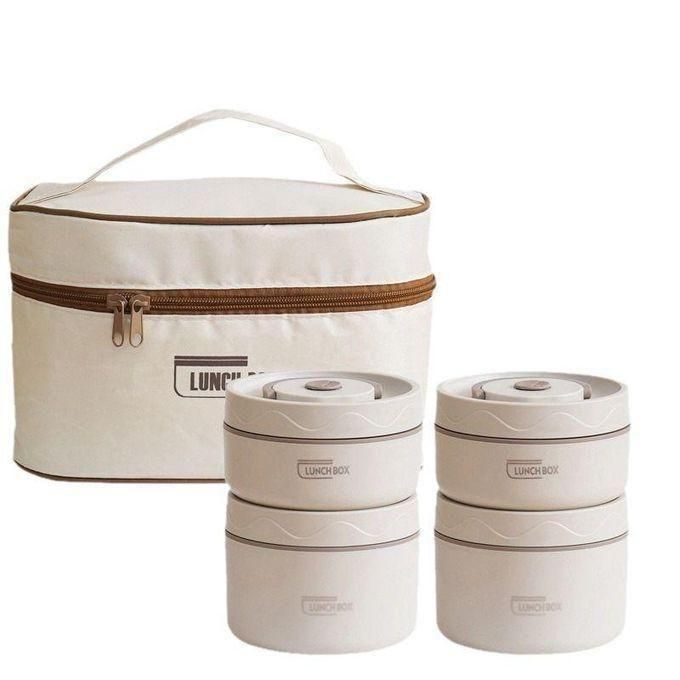
صندوق غداء حراري مع حقيبة محمولة
وفر 43%! اشترِ صندوق غداء حراري مع حقيبة محمولة بسعر 222.72 د.ل فقط في ليبيا. مت
🛒 تسوق الآن Libya Press
Professional event planners report that proper dining table arrangement increases guest satisfaction by up to 40%. The difference between an ordinary table and an elegant one lies in the details—every element carefully positioned to create a seamless dining experience. When guests encounter a thoughtfully arranged table, they immediately sense the host's attention to detail and respect for their comfort. This simple act of consideration speaks volumes about the host's character and hospitality.
True elegance emerges from the systematic organization of dining tools. According to Sofra Arts, a leading authority on Middle Eastern dining traditions, the key lies in the small details. Each utensil, plate, and napkin should serve a purpose while contributing to the overall aesthetic. The classic rule remains: place the largest, most used items first, working inward toward lighter, more delicate pieces.
Experts recommend paying meticulous attention to color coordination between tableware and linens. The 60-30-10 rule applies perfectly to dining aesthetics: 60% dominant color for the tablecloth or centerpiece, 30% secondary color for plates or chargers, and 10% accent color for napkins or small decorative items. This creates visual balance without overwhelming the senses. Avoid mixing metallic finishes—choose one cohesive palette and maintain it throughout the entire setting.
The most memorable dining experiences often include subtle personal touches. A delicate embroidered napkin, a handwritten place card, or a small floral arrangement can transform a functional meal into a memorable occasion. These elements communicate that guests are not merely being fed, but are being welcomed into a personal space of warmth and care. Even small gestures show that the host values each guest's presence.
In Libyan culture, hospitality carries deep significance that extends beyond mere social custom. When hosting guests in cities like Tripoli, Benghazi, or Misrata, the dining table becomes a symbol of unity and respect. Consider both traditional and modern elements when arranging your table. A beautifully arranged table with traditional Libyan dishes presented elegantly bridges heritage with contemporary sophistication. For large gatherings in family homes, portion control is essential—arrange dishes family-style to encourage sharing while maintaining proper etiquette.
Research in hospitality management consistently shows that guests judge the quality of an event within the first 30 seconds of entering a dining area. A well-organized table creates immediate positive impressions. Ensure all items are easily accessible—guests should never struggle to find their silverware or ask for additional napkins. This effortless accessibility allows guests to relax and enjoy conversation freely. The arrangement should facilitate, not hinder, natural interaction.
Ultimately, dining table arrangement is not about showing off wealth, but about demonstrating care for others. When every detail is thoughtfully considered, the meal becomes more than nutrition—it becomes a ritual of human connection. The host's investment in creating an elegant setting reflects their respect for guests and their commitment to creating lasting memories that remain cherished in the hearts of all who attend.
— Libya Press / News Desk