صفائح سيليكون لعلاج الندبات
وفر 12%! اشترِ صفائح سيليكون لعلاج الندبات بسعر 176.26 د.ل فقط في ليبيا. متوفر ح
🛒 تسوق الآن Libya Press
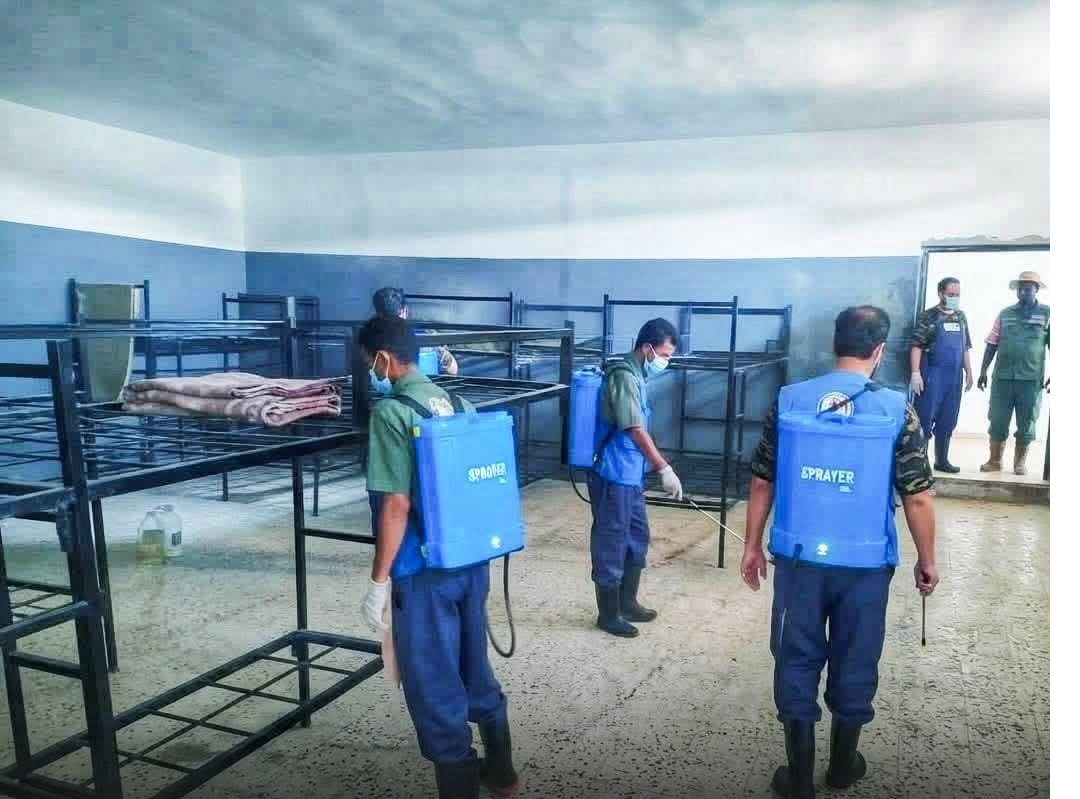
Tripoli — The disinfection and infection control unit of the Military Ambulance and Rescue Division, operating under Libya's Military Medical Service, has launched a comprehensive sanitation campaign targeting the Military Prisons Administration in the capital. The operation, confirmed by the service on July 26, 2026, aims to curb the spread of infectious diseases within detention facilities and improve hygiene standards for both inmates and personnel.
The initiative reflects growing attention to prison health conditions in Libya, where overcrowding and limited resources have long raised concerns among human rights organizations and medical professionals. The Military Medical Service stated that the campaign is part of a broader public health strategy to prevent outbreaks in confined institutional settings.
The disinfection unit deployed specialized teams equipped with industrial-grade sanitizers and protective gear to treat administrative buildings, holding areas, and common spaces within the prison administration's facilities. According to officials, the operation covers both interior surfaces and high-traffic zones where contamination risks are highest.
Military Medical Service personnel conducted the work using fogging machines and surface disinfectants approved by international health standards. The teams targeted frequently touched surfaces such as door handles, railings, desks, and shared equipment to maximize infection control impact.
Libya's prison system has faced chronic underfunding and infrastructural neglect since the 2011 uprising. A 2023 report by the International Committee of the Red Cross (ICRC) highlighted inadequate ventilation, limited access to clean water, and insufficient medical care in several detention centers across the country. These conditions create fertile ground for tuberculosis, scabies, and other communicable diseases.
The Military Prisons Administration oversees multiple facilities in Tripoli and surrounding areas that house both military personnel and civilians awaiting trial or serving sentences under military jurisdiction. Health experts have repeatedly called for systematic sanitation protocols to replace the ad-hoc measures that have characterized prison health management in recent years.
The ambulance and rescue unit's disinfection branch was established in response to the COVID-19 pandemic and has since evolved into a permanent infection control asset. Beyond prisons, the unit has conducted sanitation campaigns at hospitals, border crossings, police stations, and public markets throughout western Libya.
Mowafag Ragas, reporting for Libya Update, noted that the operation at the Military Prisons Administration represents one of the unit's largest institutional engagements to date. The campaign's duration and total coverage area have not been disclosed, but officials indicated that follow-up visits are planned to ensure sustained hygiene compliance.
Improving detention conditions has been a recurring demand from the United Nations Support Mission in Libya (UNSMIL) and various international advocacy groups. The disinfection campaign, while primarily a health intervention, also carries implications for detainee welfare. Cleaner facilities reduce the risk of disease transmission between detainees and staff, lower healthcare costs, and align with minimum standards outlined in the Nelson Mandela Rules — the UN's benchmark for prison treatment.
Local civil society organizations have welcomed the initiative but caution that disinfection alone cannot address deeper structural issues such as prolonged pretrial detention, overcrowding, and lack of judicial oversight. They argue that health campaigns must be accompanied by systemic reforms to produce lasting change.
The Military Medical Service faced logistical hurdles in executing the campaign, including securing adequate water supply for sanitation equipment and coordinating access with prison administration officials. Security protocols within detention facilities added complexity, requiring disinfection teams to follow strict movement restrictions while performing their work.
Despite these challenges, the operation proceeded without reported incidents. Military authorities praised the coordination between the medical service and prison administration, describing it as a model for interagency cooperation in public health emergencies.
The disinfection campaign targeting the Military Prisons Administration underscores a growing institutional awareness of infection control as a component of national security. As Libya continues to rebuild its healthcare infrastructure, such targeted interventions may serve as blueprints for broader environmental health programs across state institutions.
— Libya Press / Security Desk