
مشط التدليك الكهربائي
وفر 15%! اشترِ مشط التدليك الكهربائي بسعر 240 د.ل فقط في ليبيا. متوفر حالياً، ال
🛒 تسوق الآن Libya Press
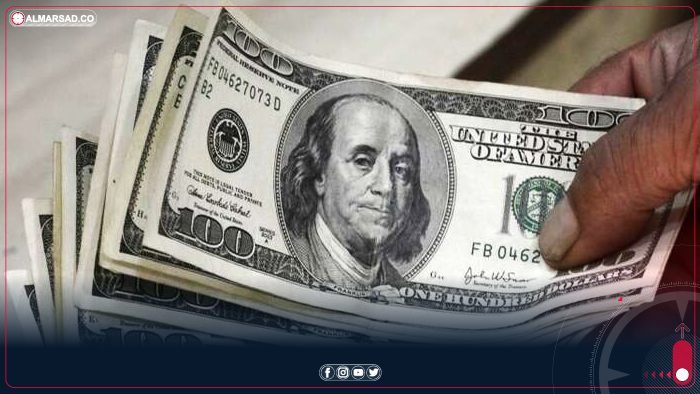
The US dollar has continued its upward trajectory against the Libyan dinar in multiple cities, with exchange rates reaching 8.54 dinars in major trading hubs. According to trading data cited by Al-Mashhad Al-Libi, the dollar settled at 8.54 LYD in both the Al-Mashir exchange markets of Tripoli and Misrata, while the Venice exchange market recorded 8.53 LYD per dollar.
The sustained rise reflects growing demand for foreign currency amid declining oil revenues — Libya's primary source of hard currency — and limited confidence in the parallel market.
Trading data across Libya's informal currency markets over the past 2 dollar strengthening in key urban centers:
The figures represent a notable increase compared to earlier trading sessions, underscoring the persistent gap between official and parallel market exchange rates.
Analysts point to several interconnected factors pushing the dollar higher against the Libyan dinar:
Libya's currency markets have experienced significant turbulence since the 2011 revolution, with the dinar losing substantial value against the dollar. The Central Bank of Libya has struggled to maintain a unified exchange rate, with the gap between official and parallel market rates widening considerably in recent years.
Economic analysts note that the current trend mirrors patterns seen in previous periods of political uncertainty, when capital flight and declining oil revenues placed sustained pressure on the dinar. The International Monetary Fund has repeatedly called for exchange rate unification as a key reform priority for Libya's economic recovery.
A stronger dollar means Libyan households face higher prices for imported goods — fueling inflation that erodes purchasing power. Small and medium enterprises importing goods must either absorb higher costs or pass them on to consumers, compounding economic hardship.
According to Al-Araby Al-Jadeed, the dollar's trajectory toward the 7-dinar threshold (depending on the specific market) signals continued pressure on the dinar, with traders watching for any Central Bank moves to stabilize the situation.
The near-term trajectory of the dollar-dinar exchange rate depends heavily on three variables: global oil prices, progress toward unifying Libya's divided financial institutions, and Central Bank policy interventions.
Economists suggest that without meaningful progress on fiscal unification and revenue diversification, the parallel market will continue to exert downward pressure on the dinar — with direct consequences for every Libyan citizen's cost of living.
For millions of Libyan families already navigating the challenges of a post-conflict economy, the rising dollar means difficult choices: cutting back on non-essential imports, seeking alternative suppliers, or simply absorbing higher costs. The path to stability, experts agree, runs through unified institutions and a clear economic roadmap — neither of which appears imminent.
— Libya Press / Economics Desk